Hoi An Beyond the Lanterns
When people think of Hoi An, they think of lanterns. They picture dozens of colourful boats gently drifting across the Thu Bon River, their reflections dancing on the water as night falls. It is the image that has made this Vietnamese town famous around the world. But just three kilometres beyond the ancient streets lies another Hoi An.
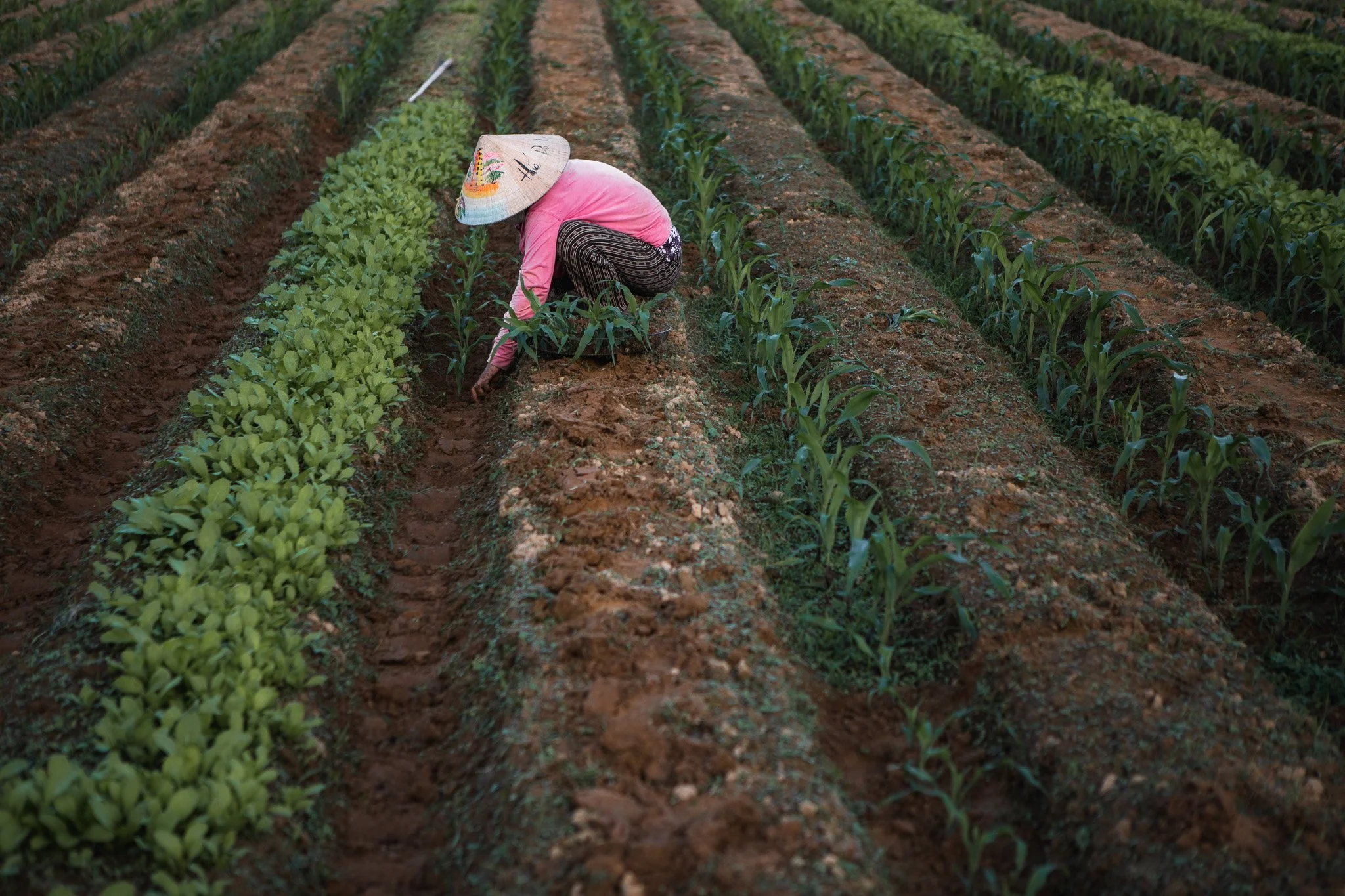
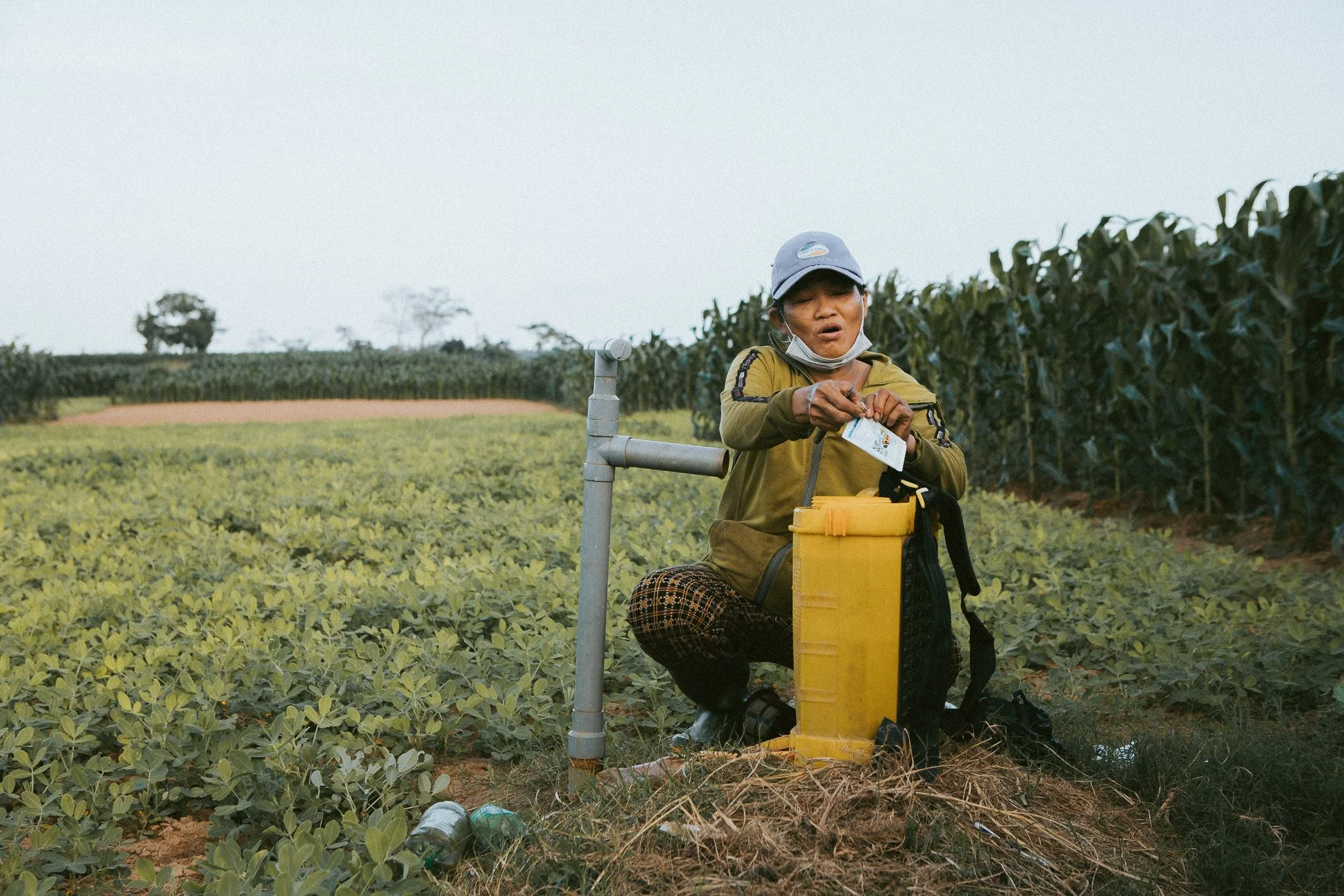
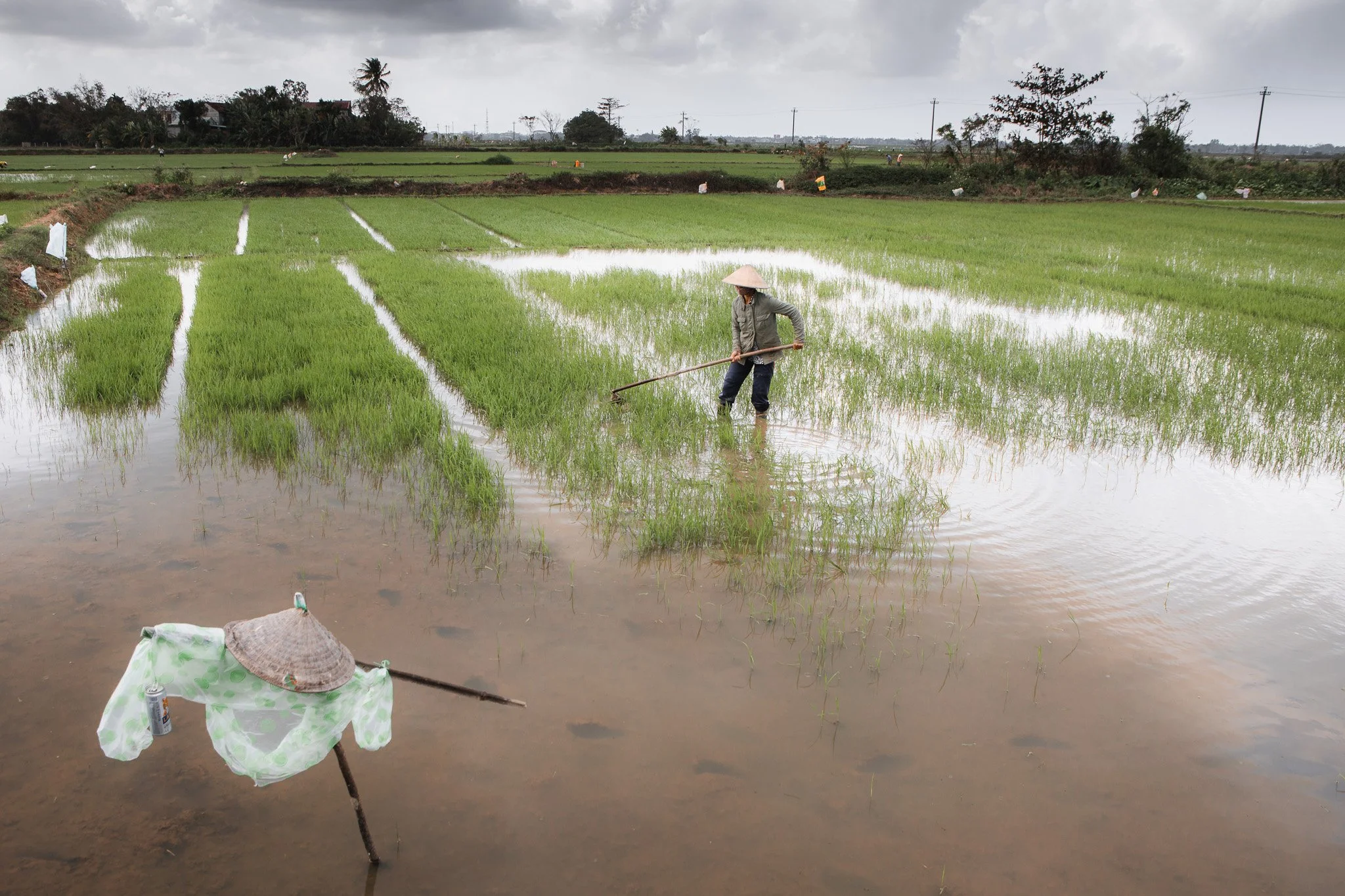
It is two hours before sunset when I set out on foot through the countryside. The sounds of the old town quickly fade behind me. In their place come the calls of birds, the hum of insects and the soft rustle of the wind through endless rows of herbs and vegetables.
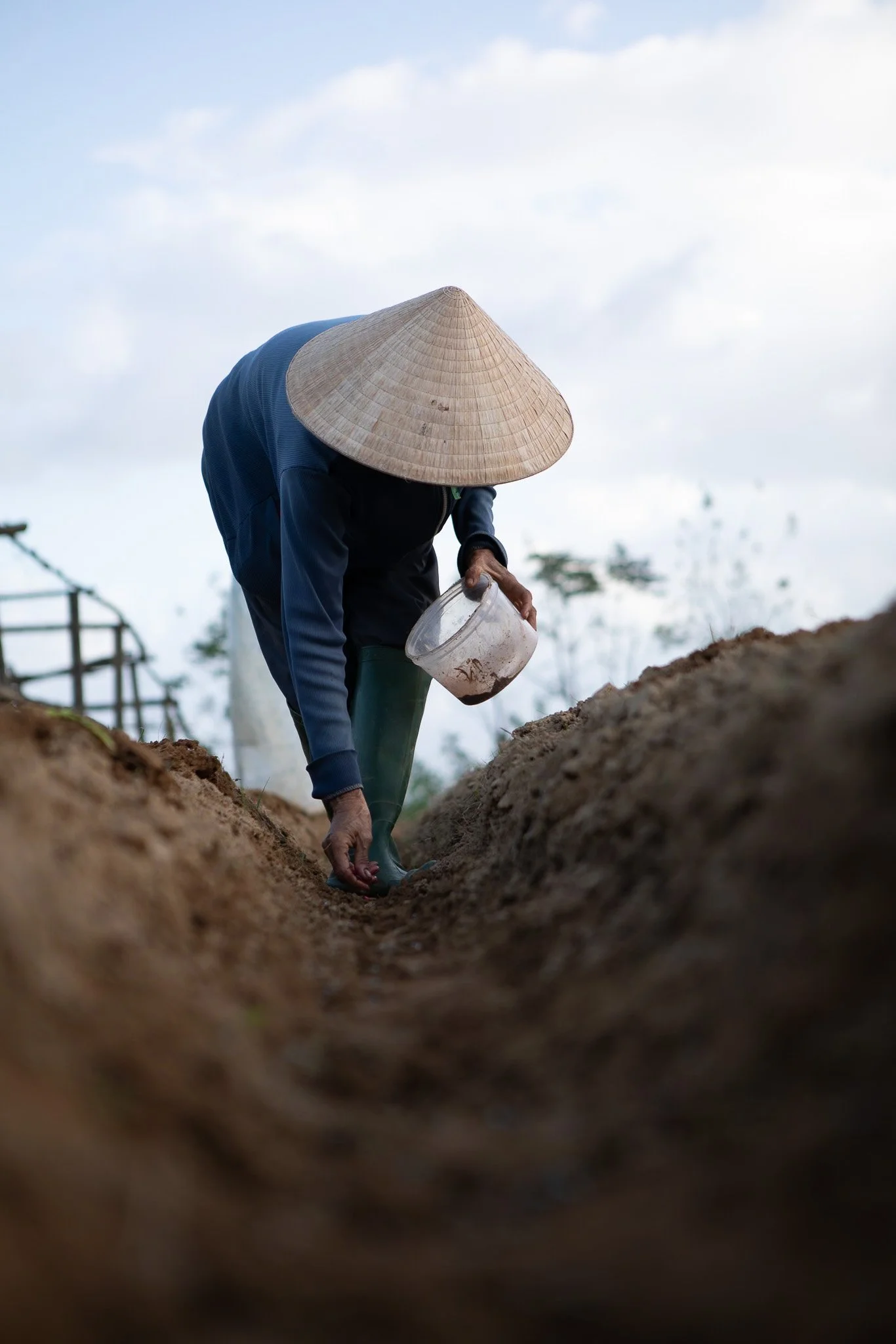
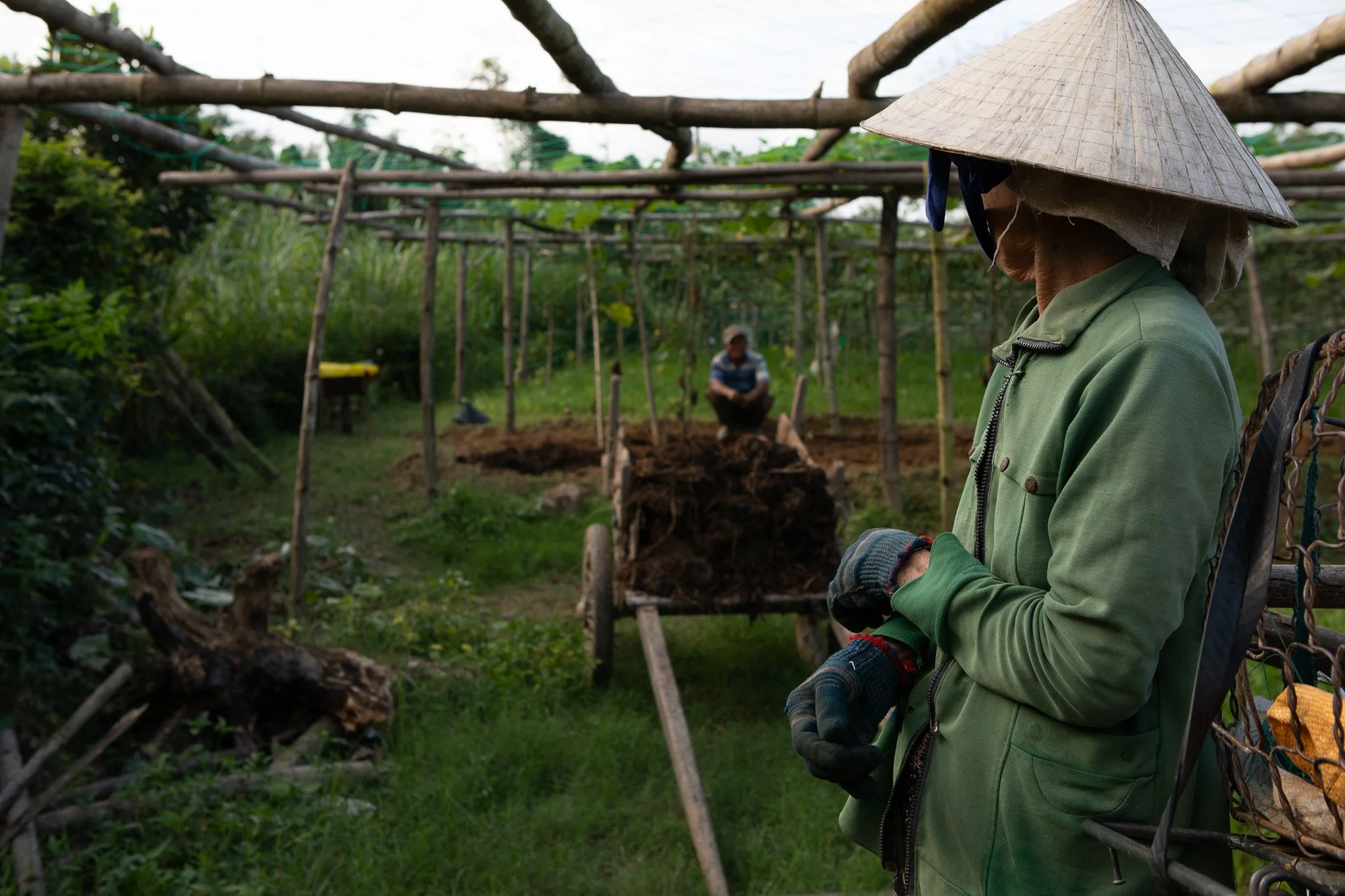
This is Tra Que.For more than three centuries, generations of farmers have cultivated this fertile land, growing the herbs and leafy greens that have shaped the flavours of Hoi An’s cuisine. Here, agriculture still follows rhythms that have changed little over time. Instead of chemical fertilisers, farmers use a traditional mixture of seaweed and algae harvested from the nearby Co Co River and De Vong Lagoon, enriching the soil as their ancestors once did.
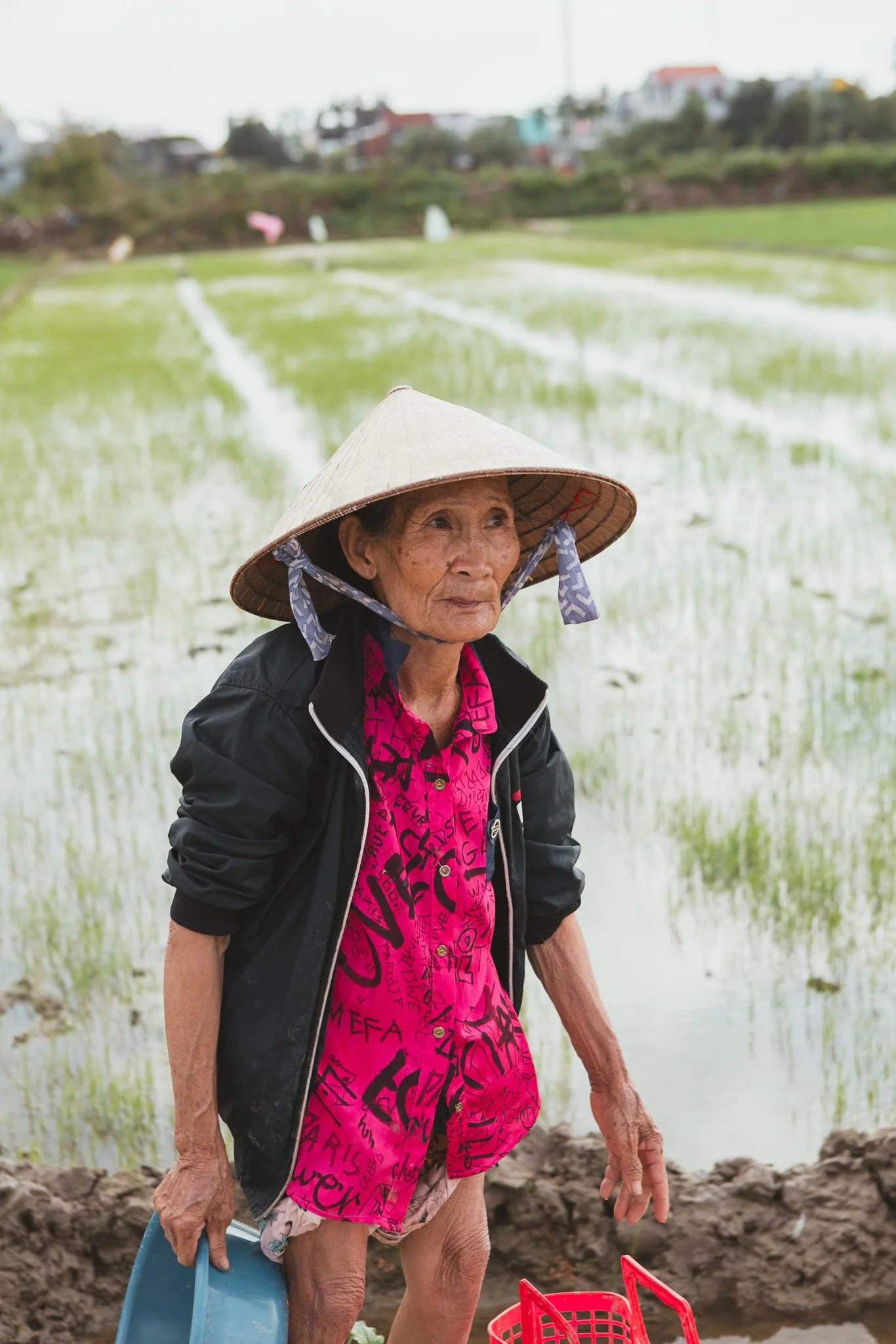
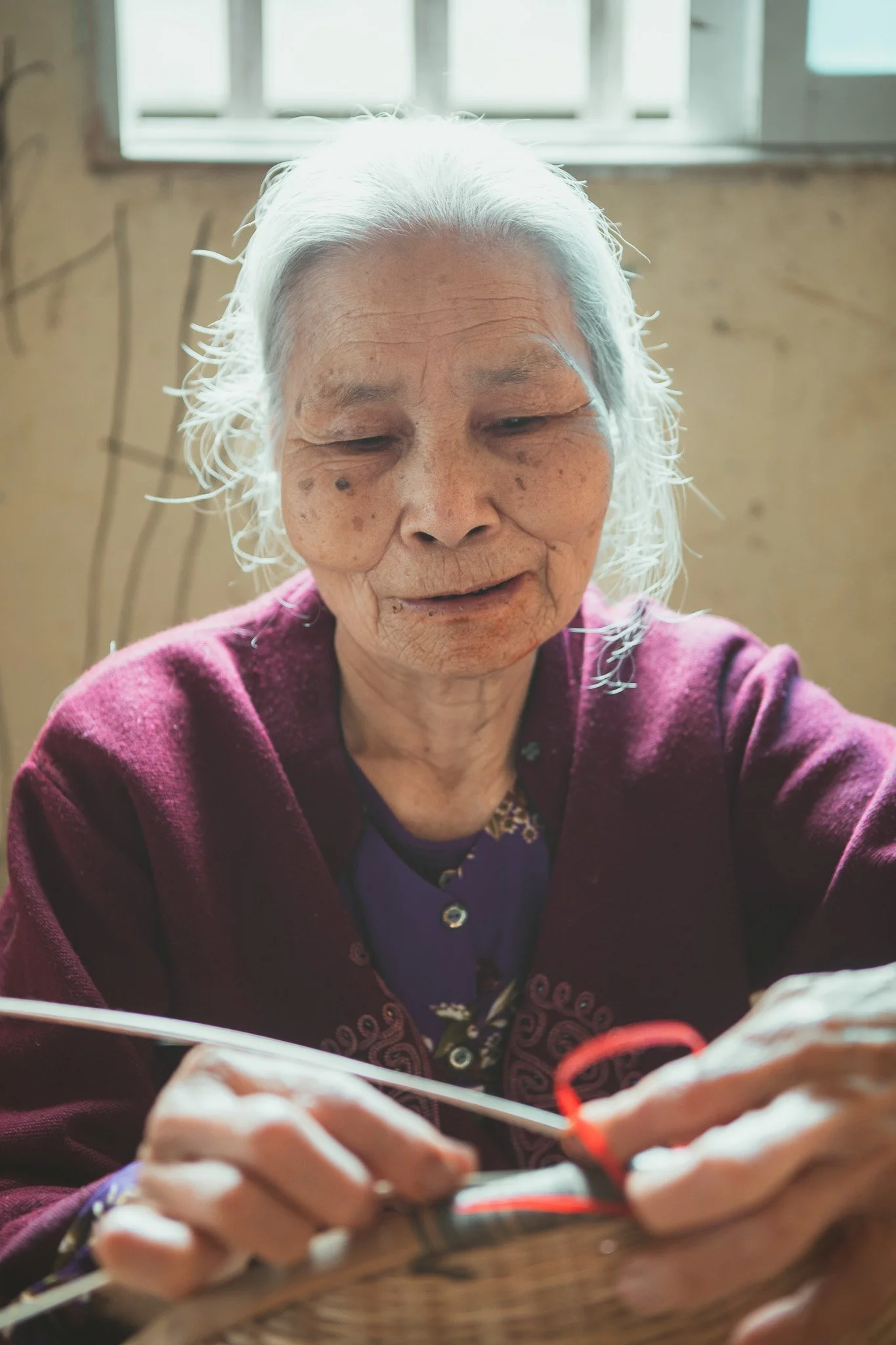
As I wander through the fields, I meet men and women whose hands bear the marks of a lifetime spent working the land. Some still remember the years of the Vietnamese War. Others speak quietly about the changes they have witnessed—the arrival of tourism, the growing city and the younger generation increasingly drawn away from farming. Yet every morning, they return to their fields.
“I was born in these gardens, and if I can, I will die here too said an elder man, and survivor of the Vietnam war”
Because for them, these gardens are more than a livelihood. They are memory, identity and home. While thousands of visitors gather each evening along the riverbanks to photograph Hoi An’s lanterns, the soul of the city continues to grow here, among the rows of coriander, basil and lettuce, tended by farmers whose stories remain largely unseen.
Perhaps the real magic of Hoi An is not found on the water after dark. Perhaps it is found here, in the green fields of Tra Que, where tradition still takes root in the earth. - Anouk Sassen