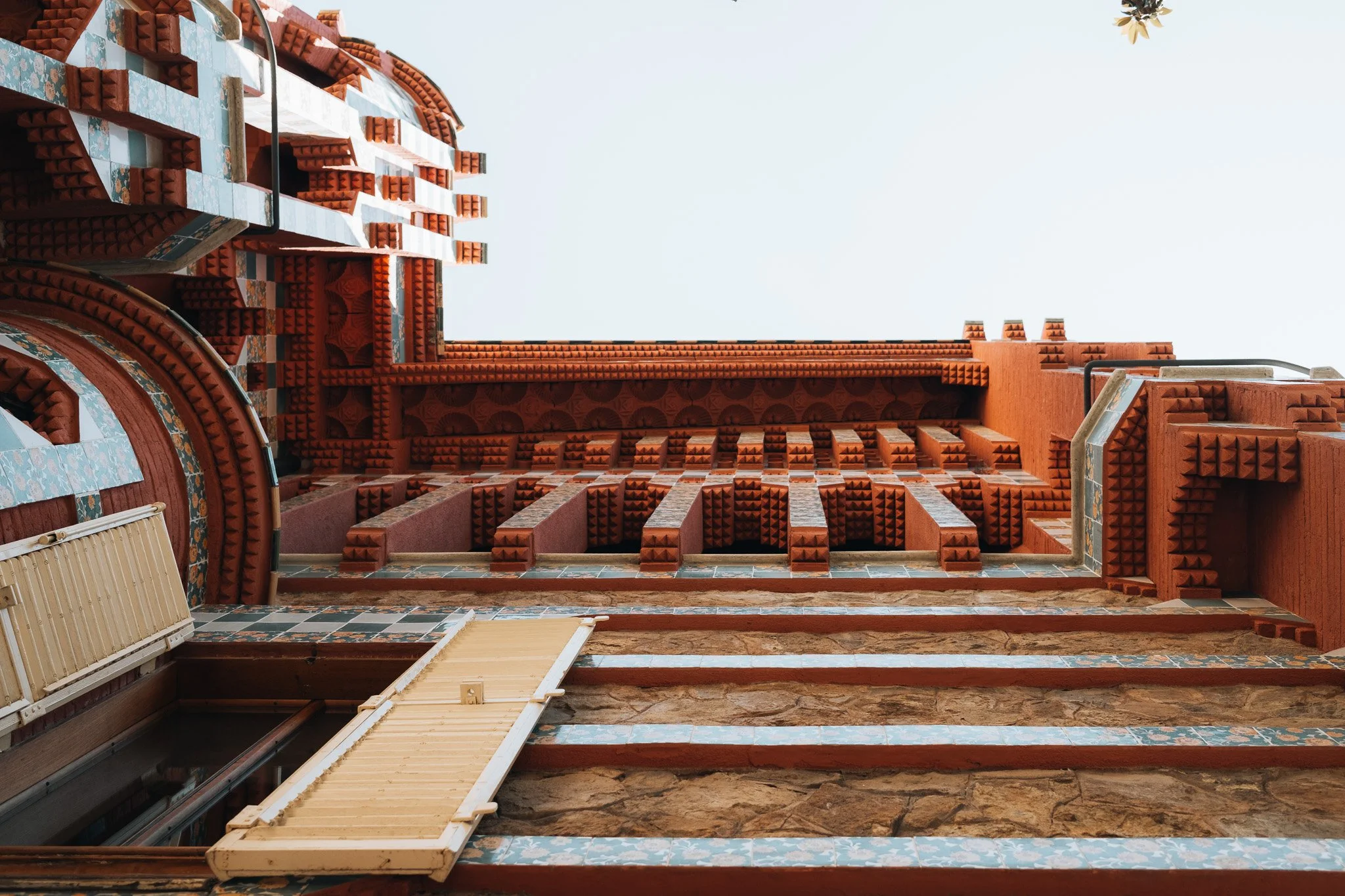
Andalusia - Spain
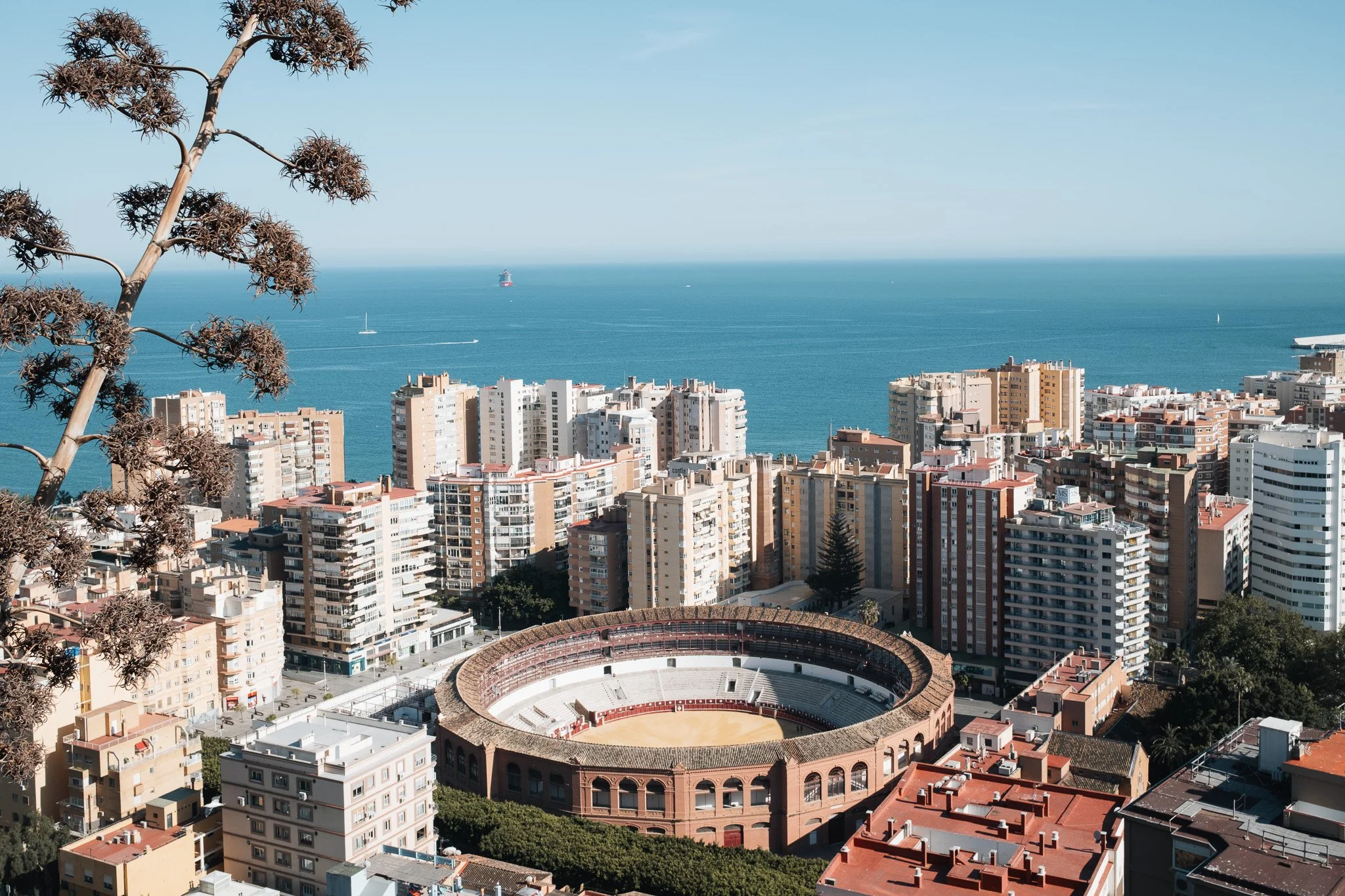
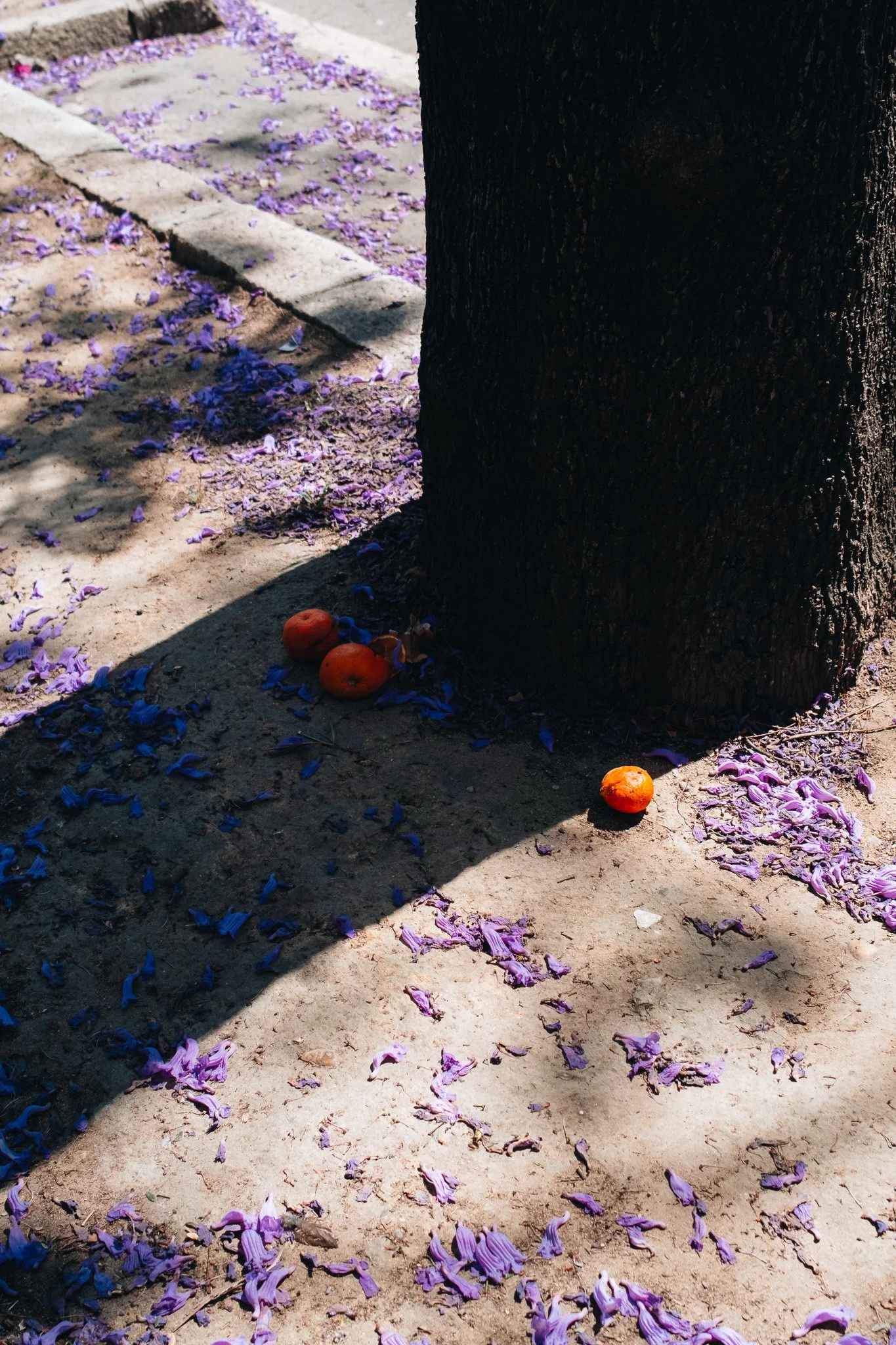
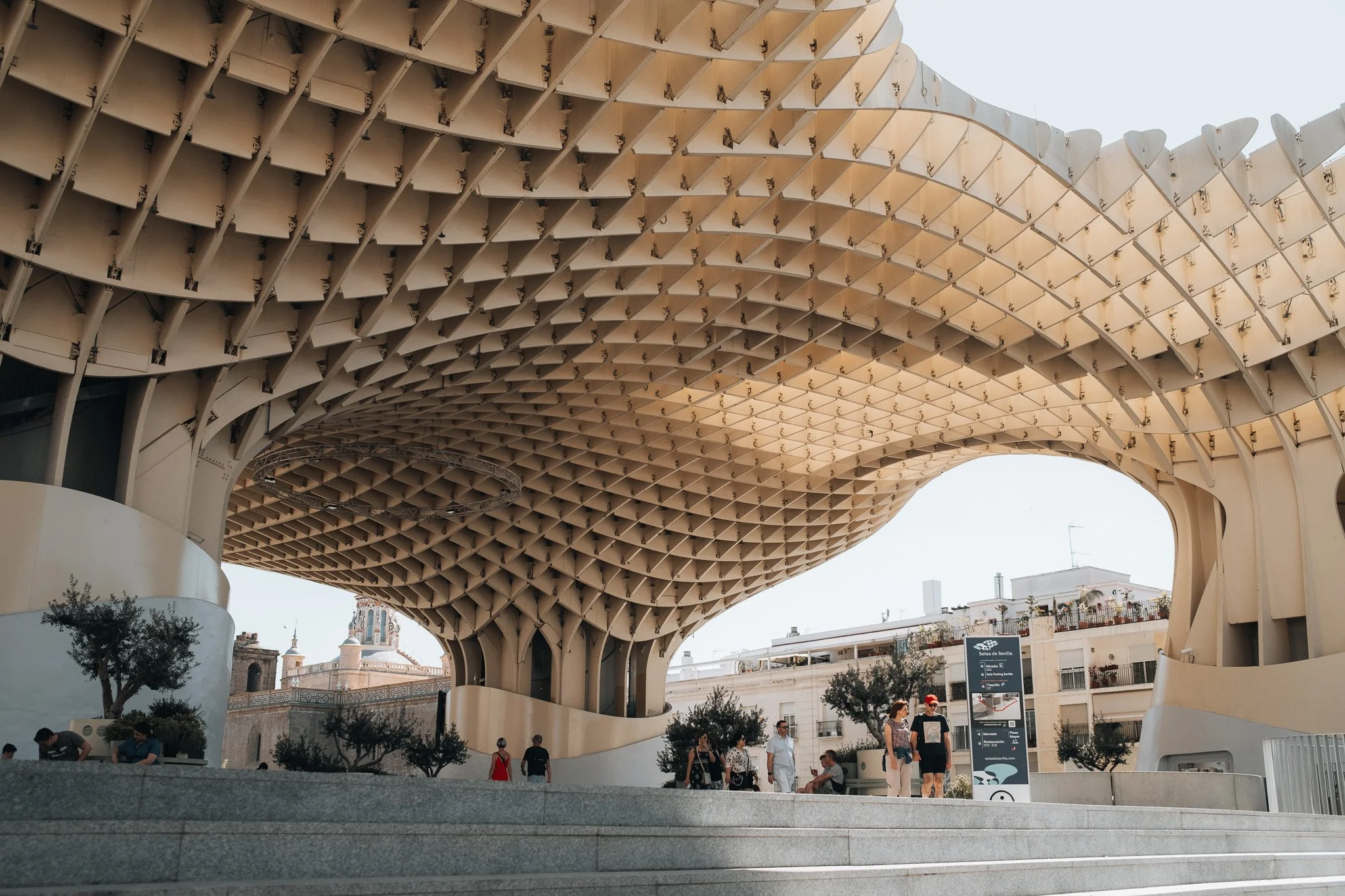
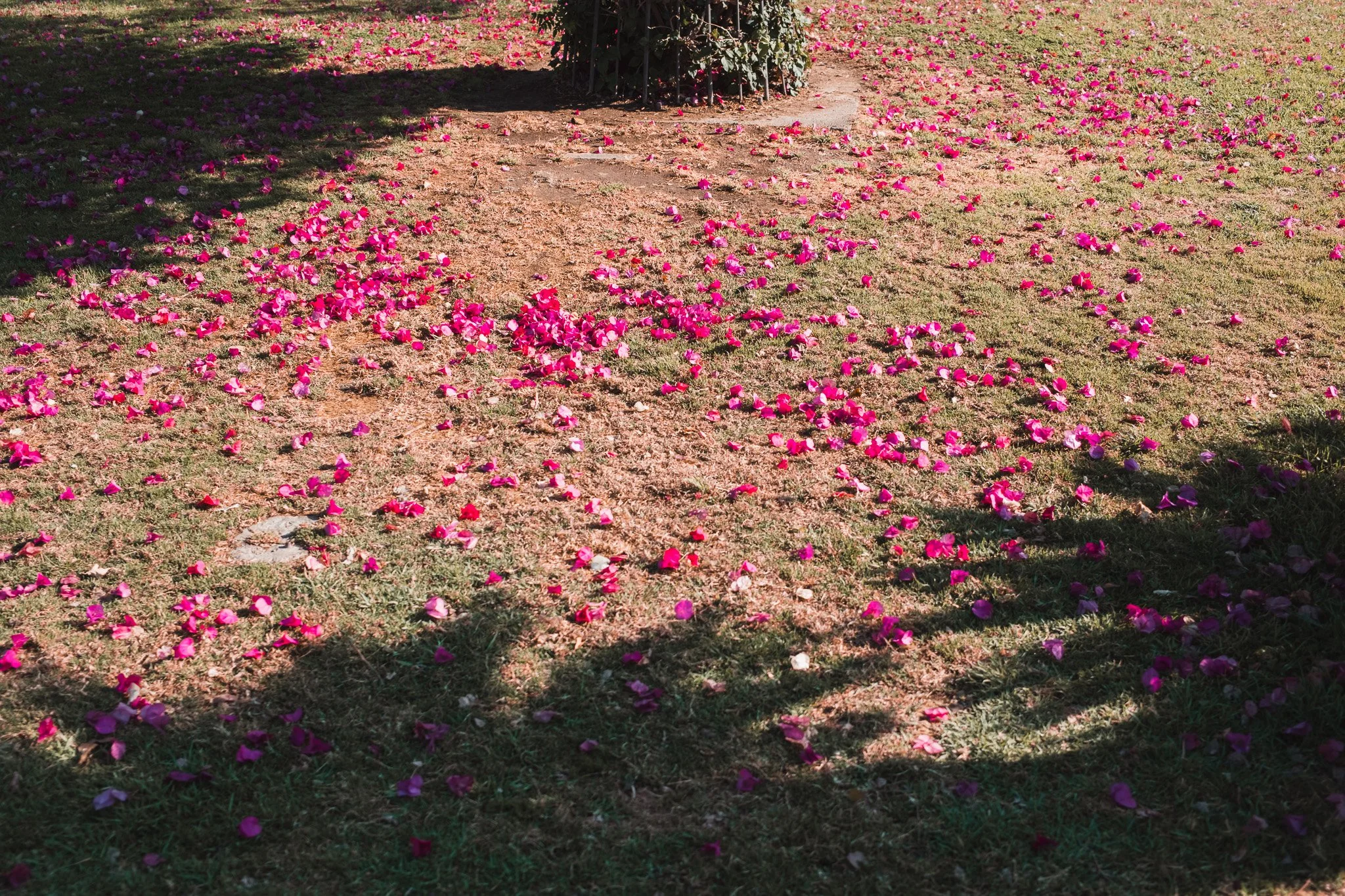
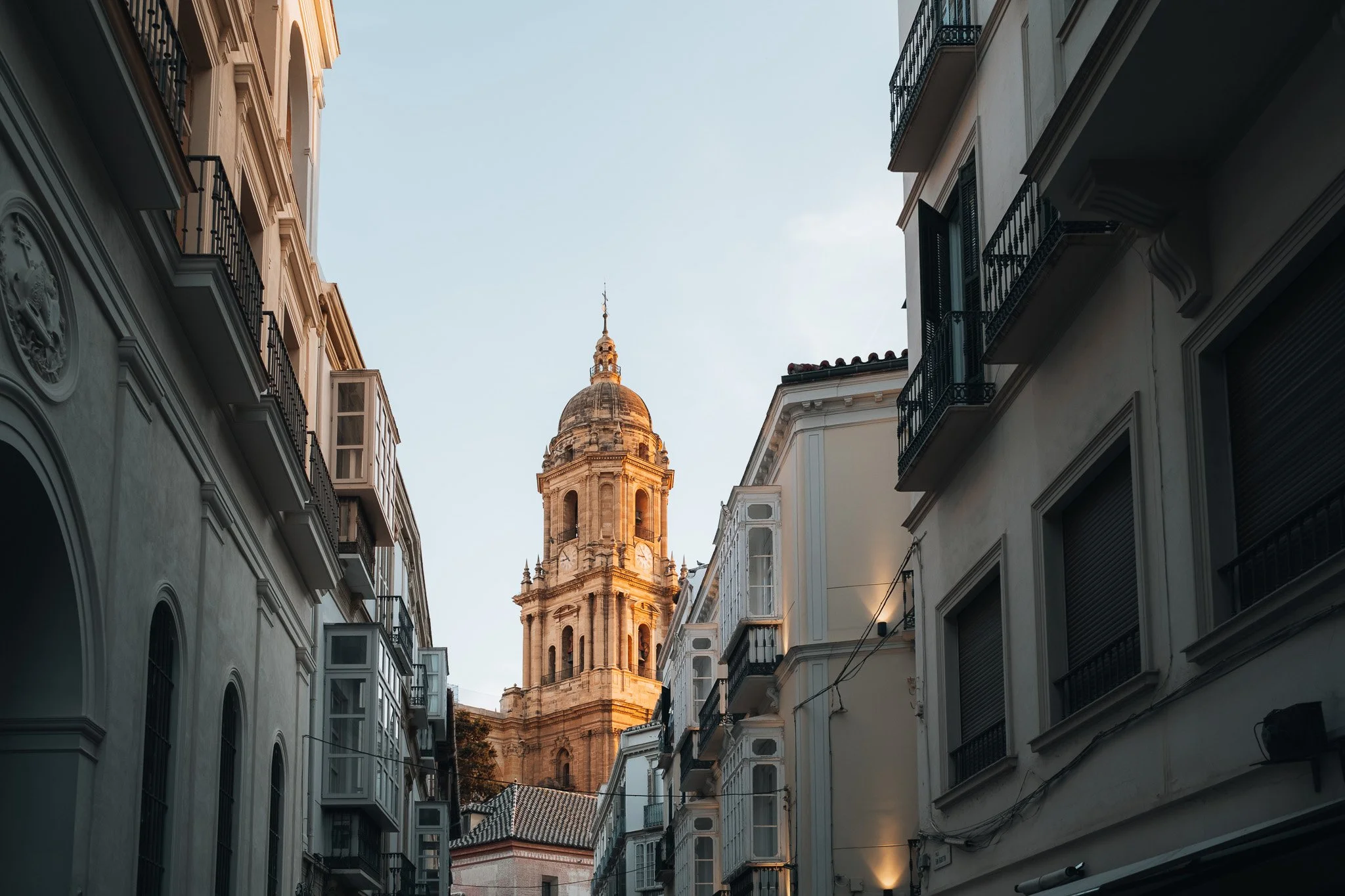
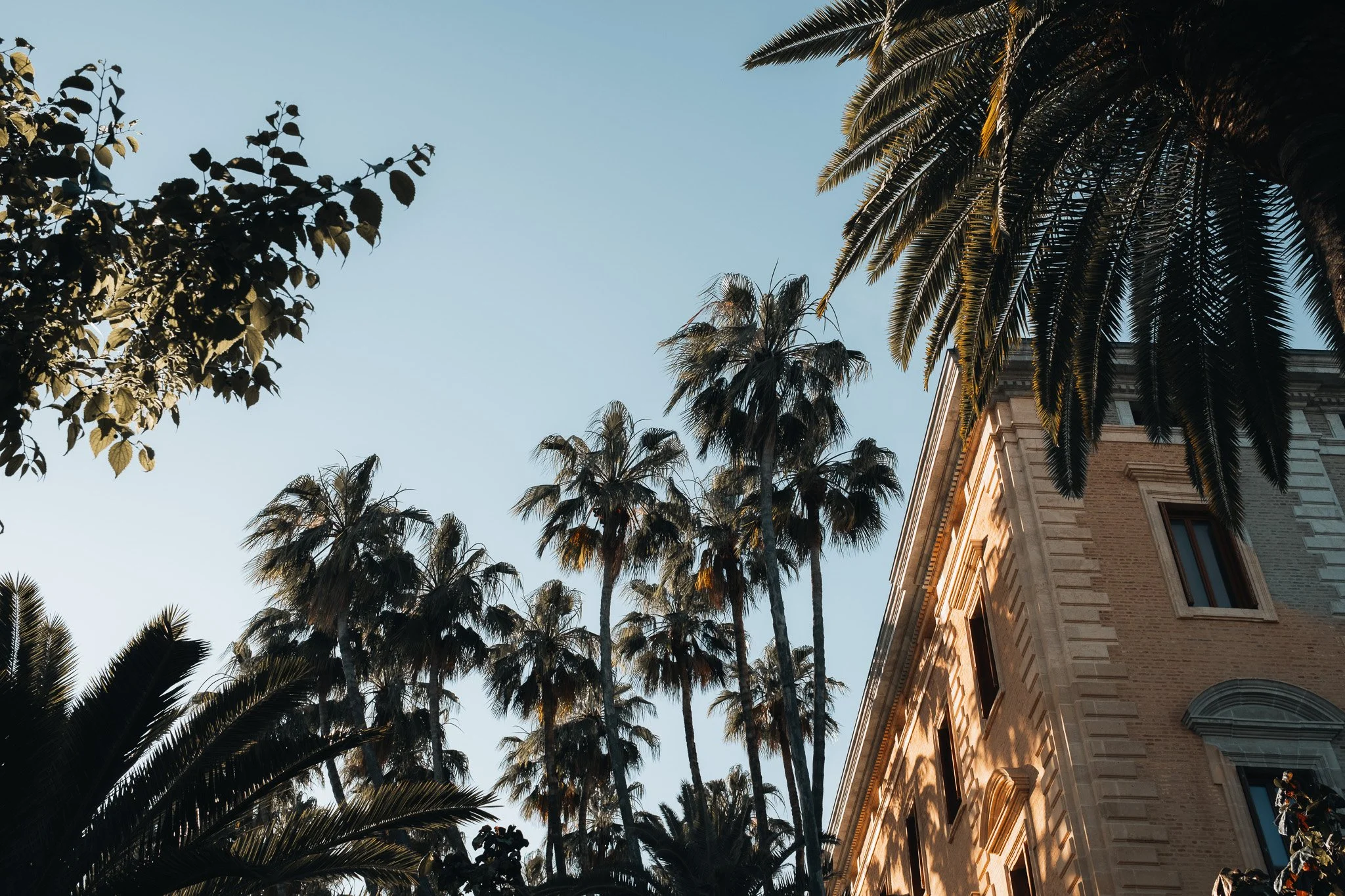
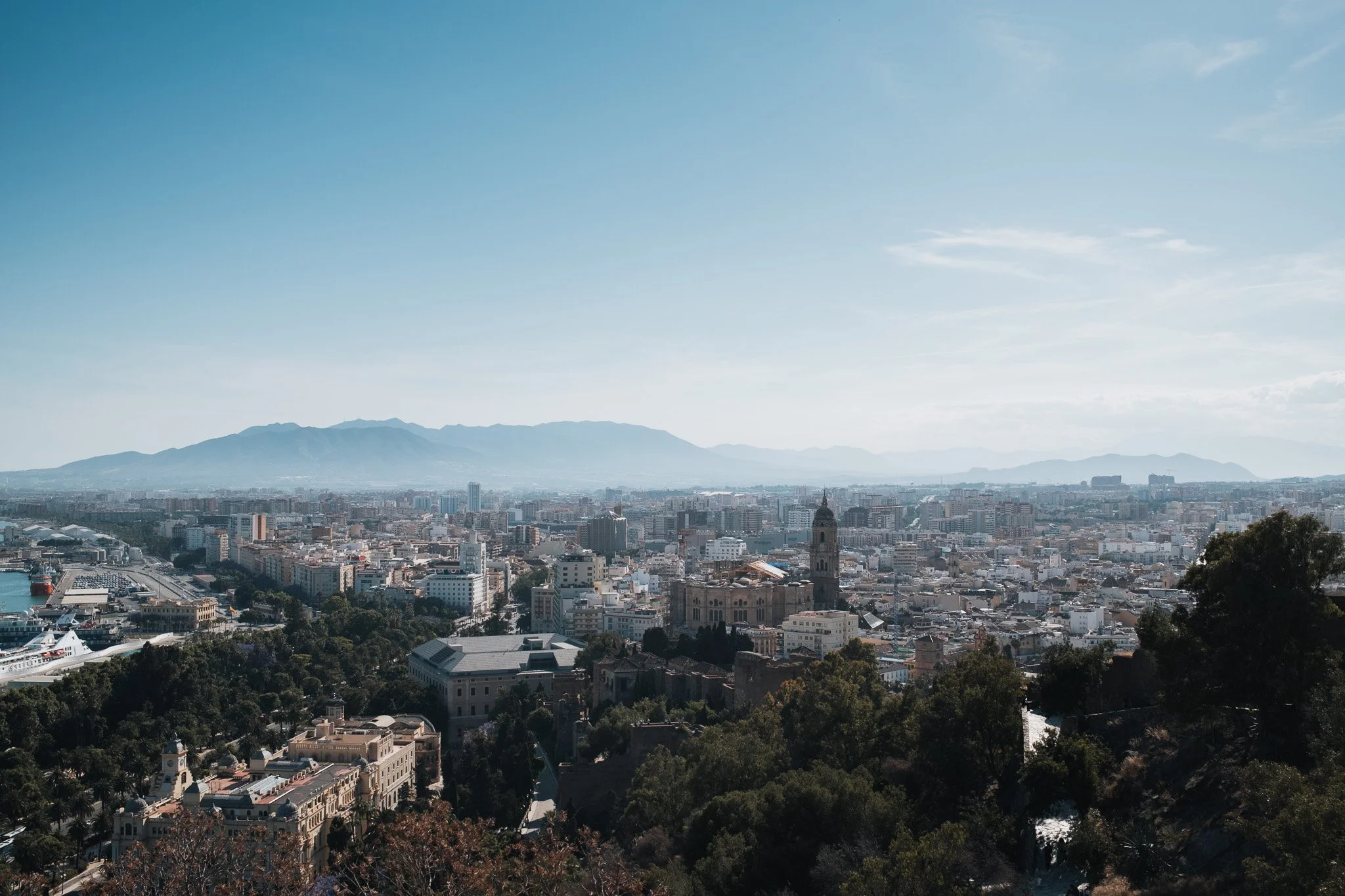
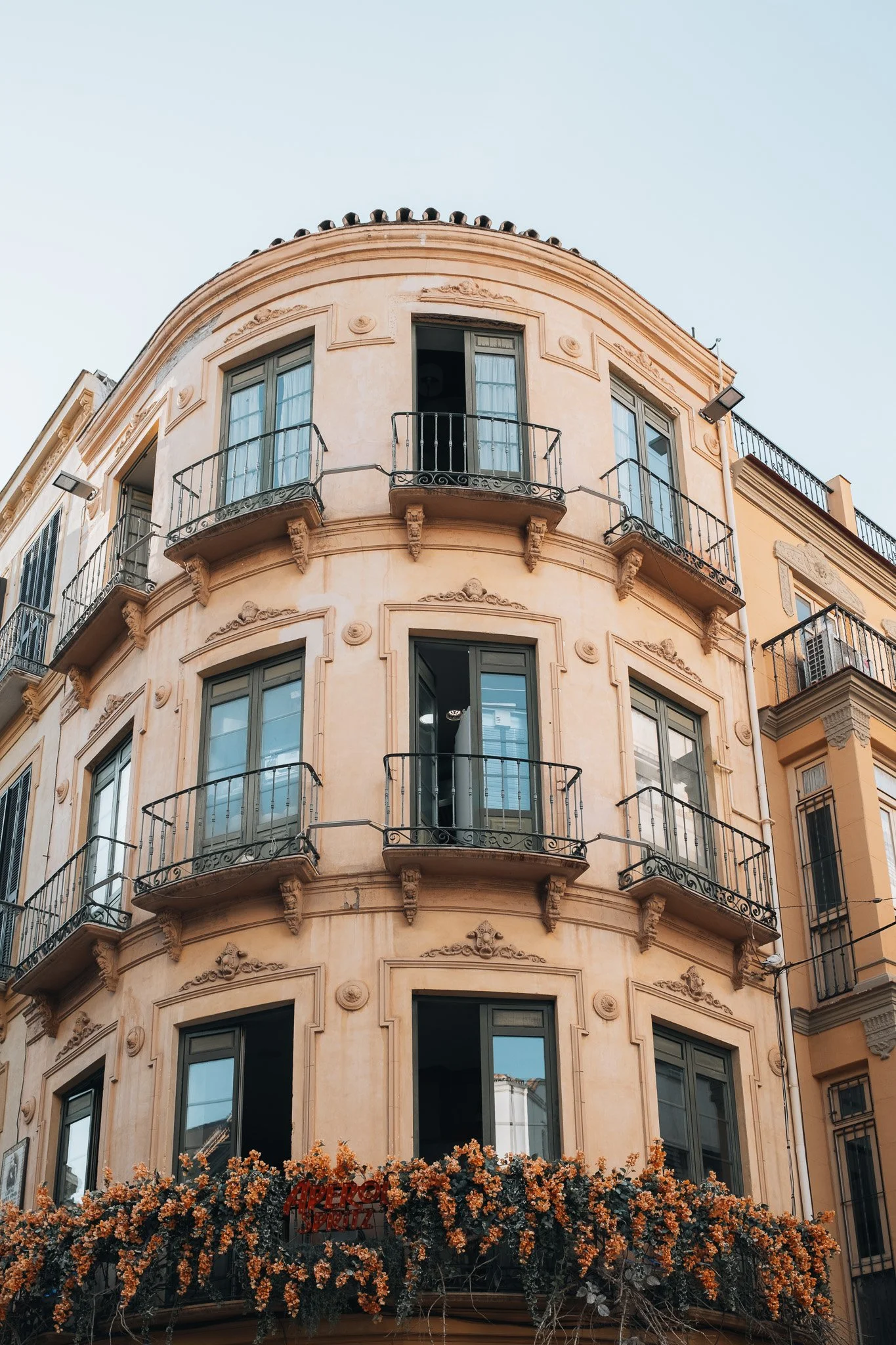
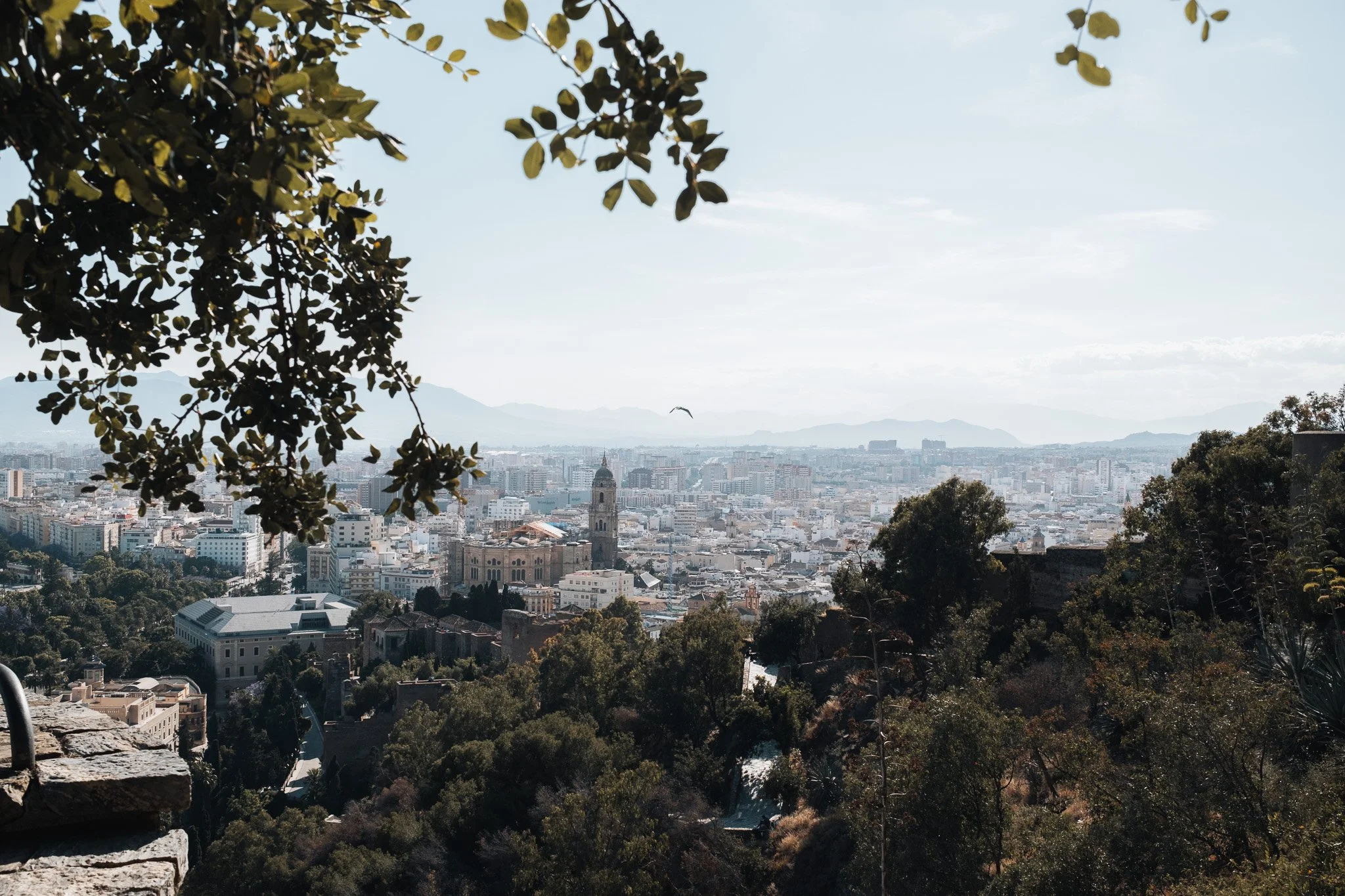
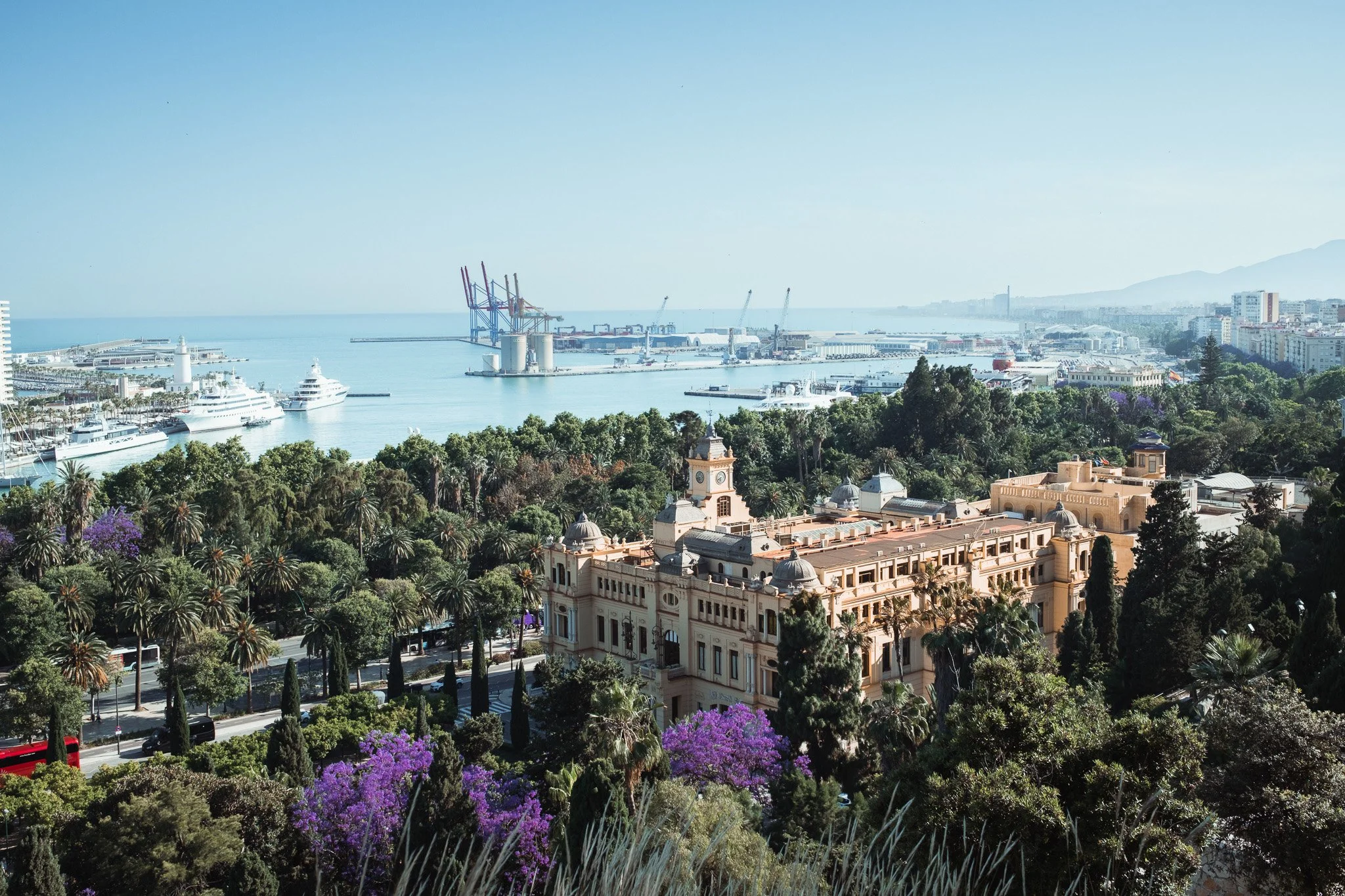
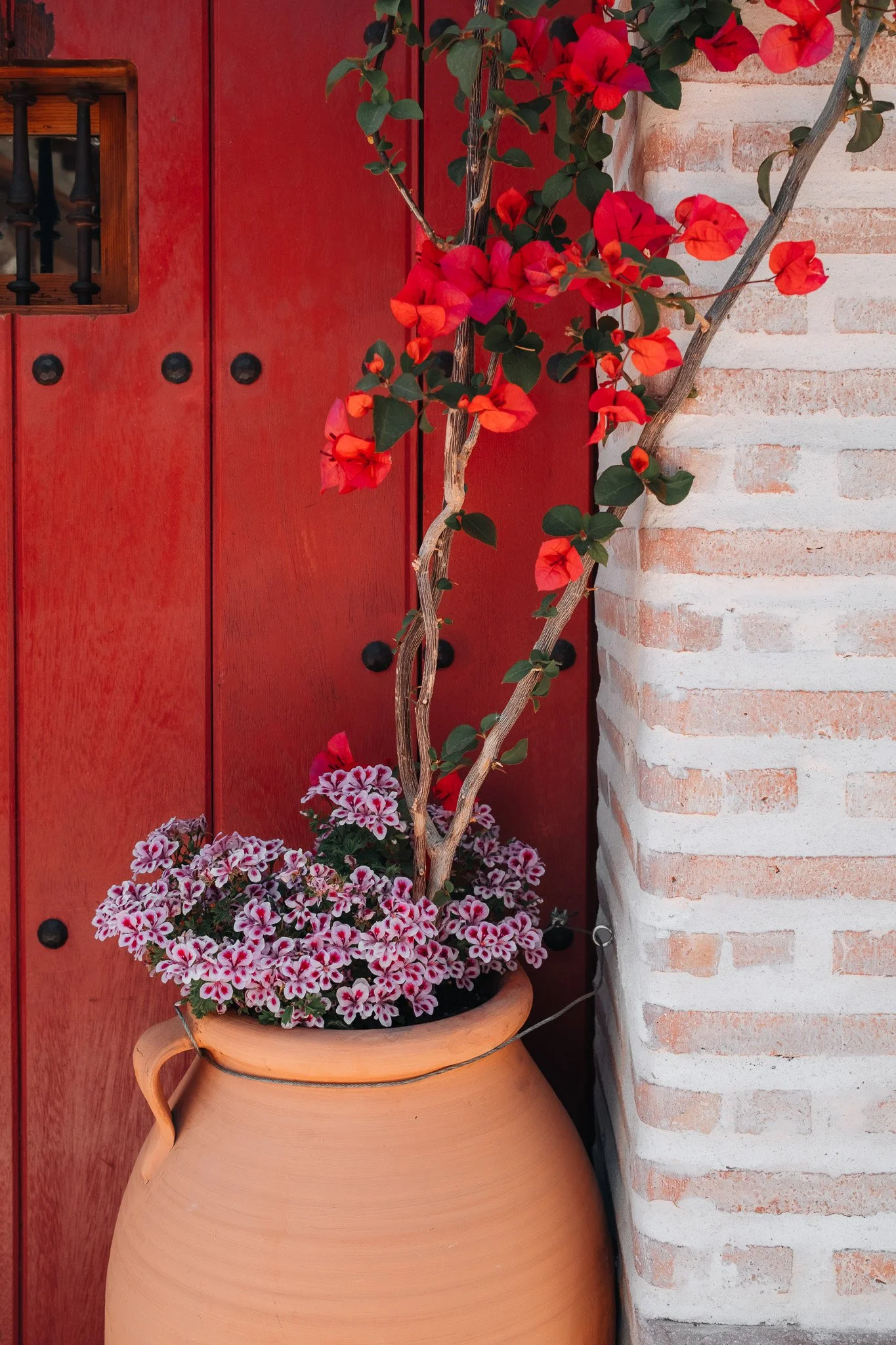
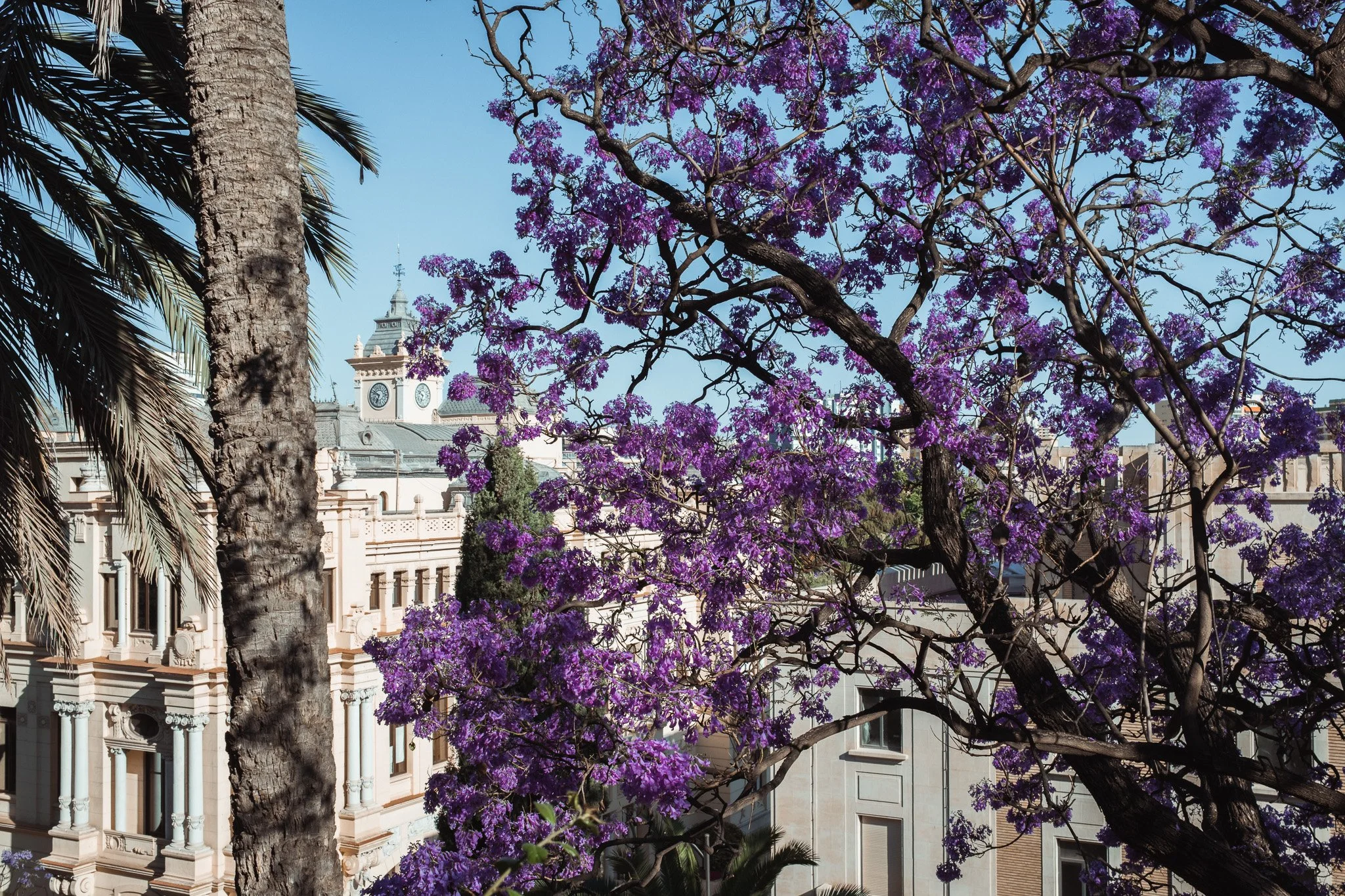
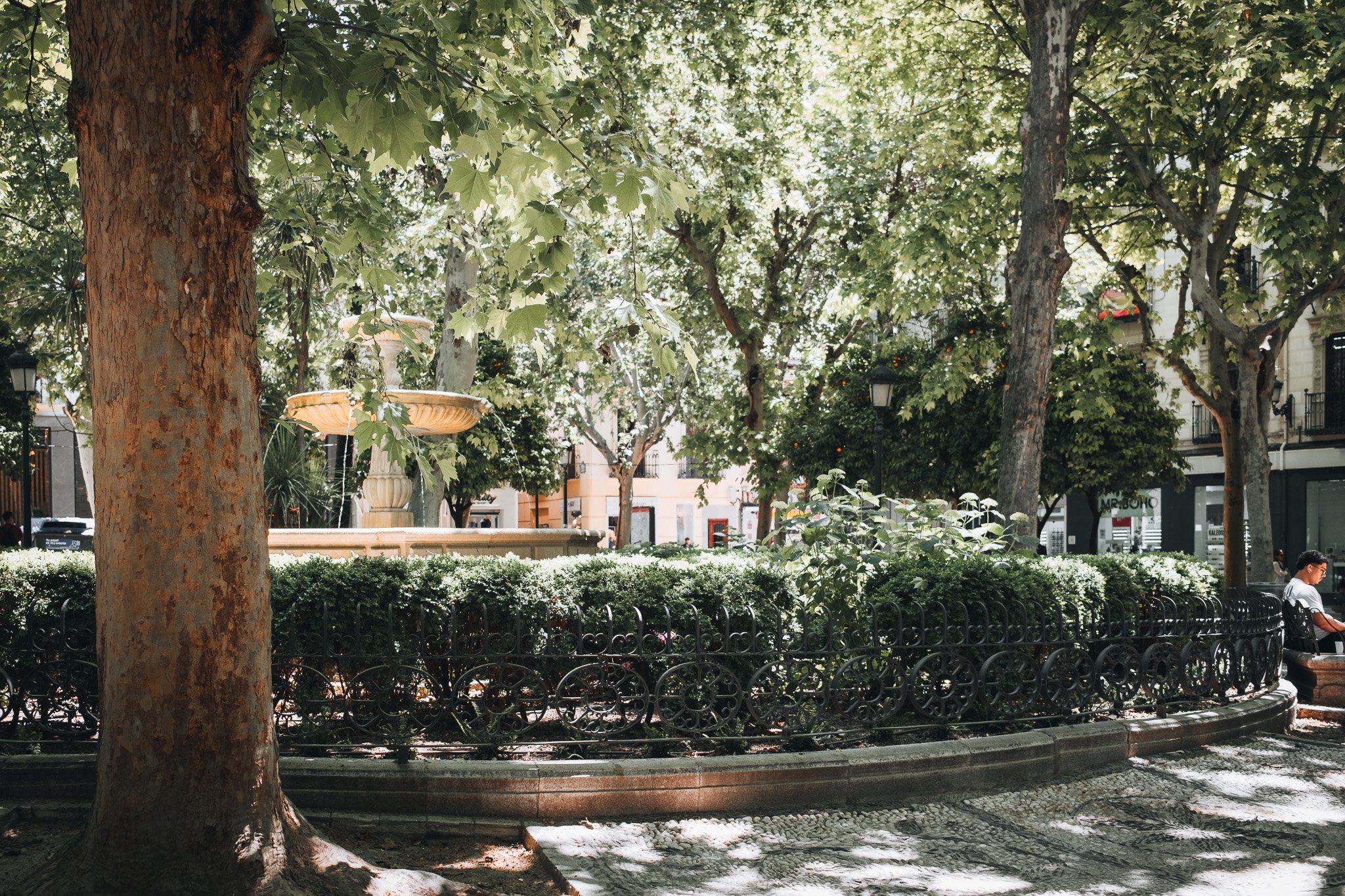
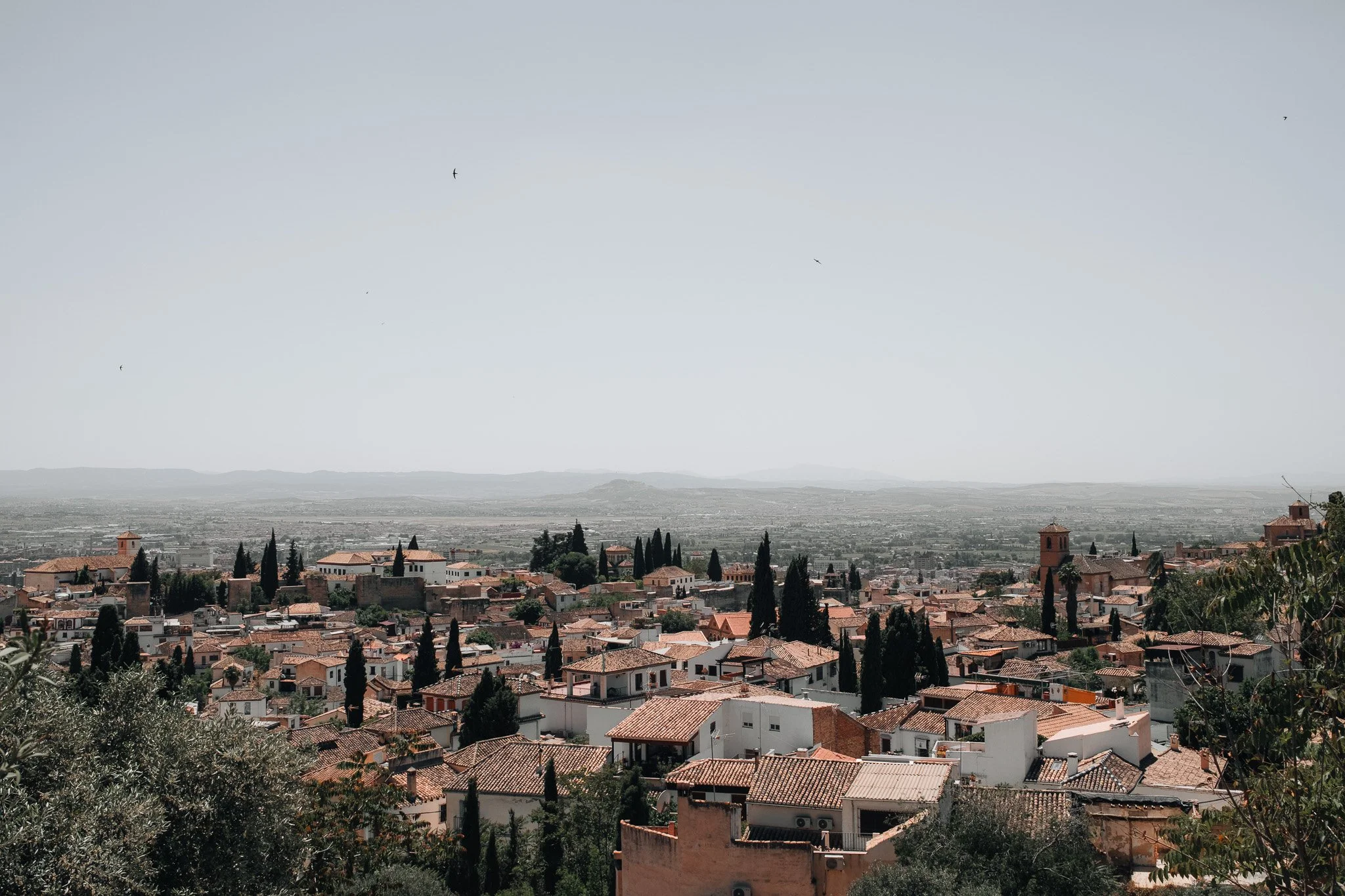
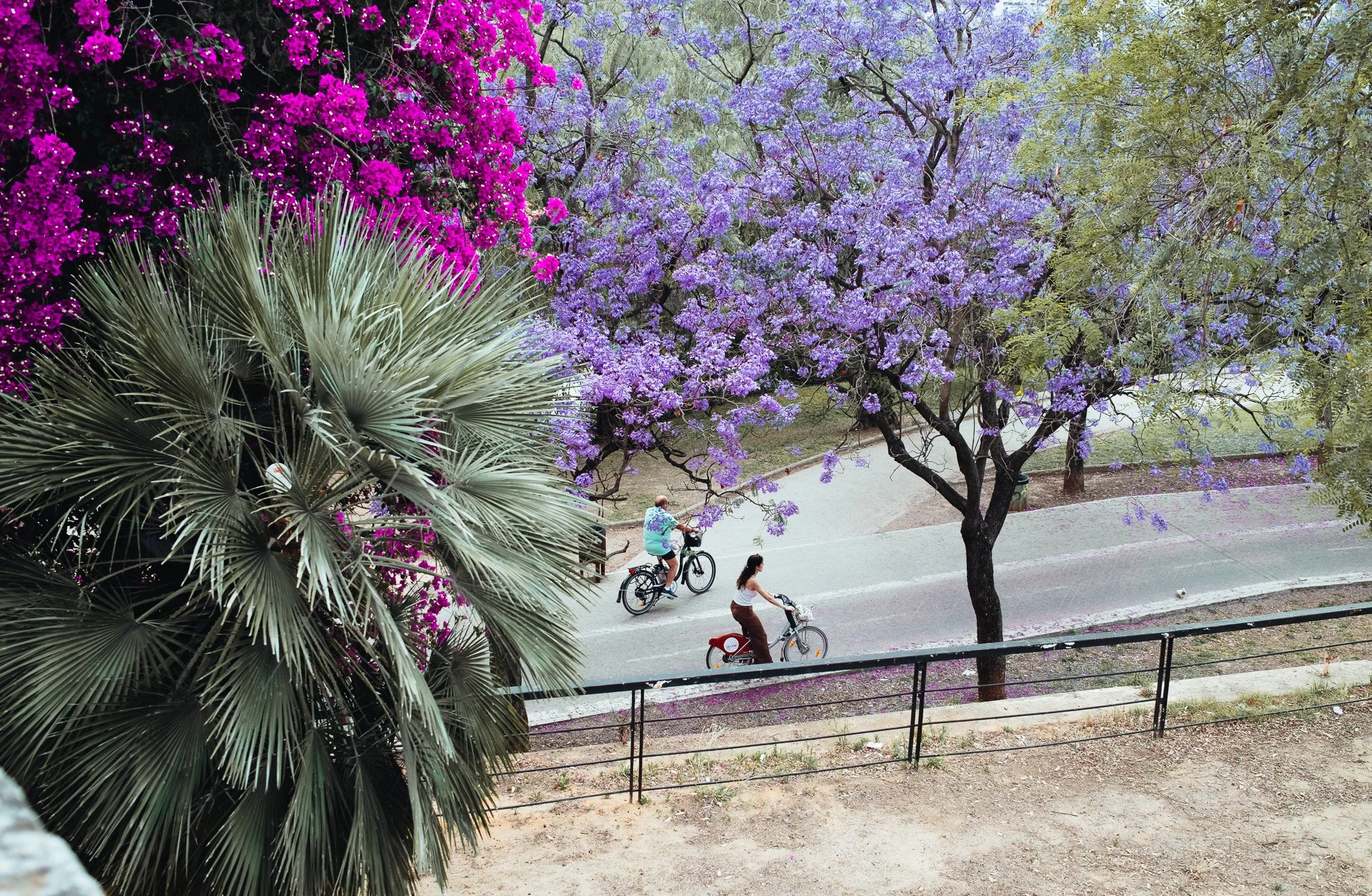
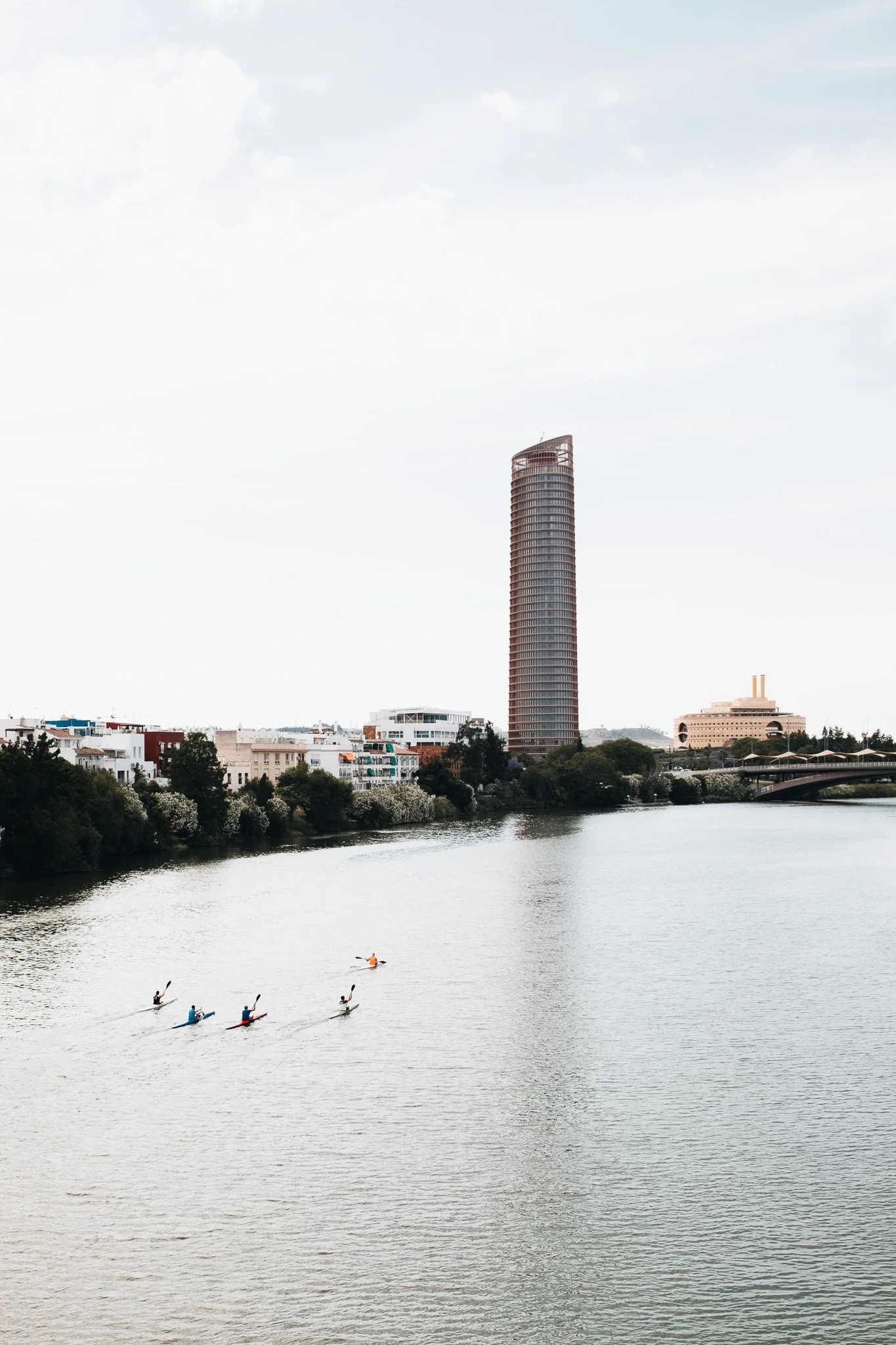
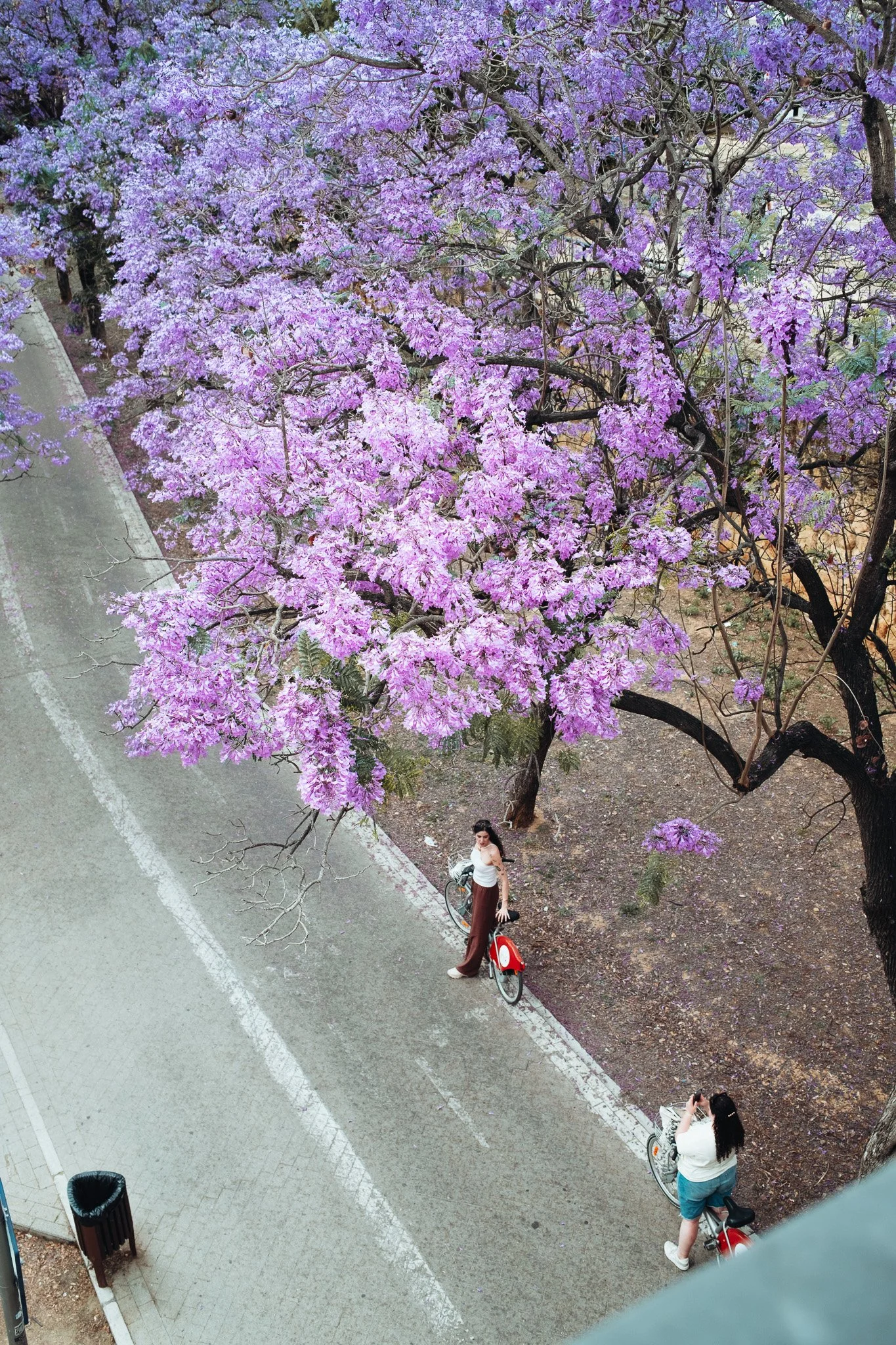
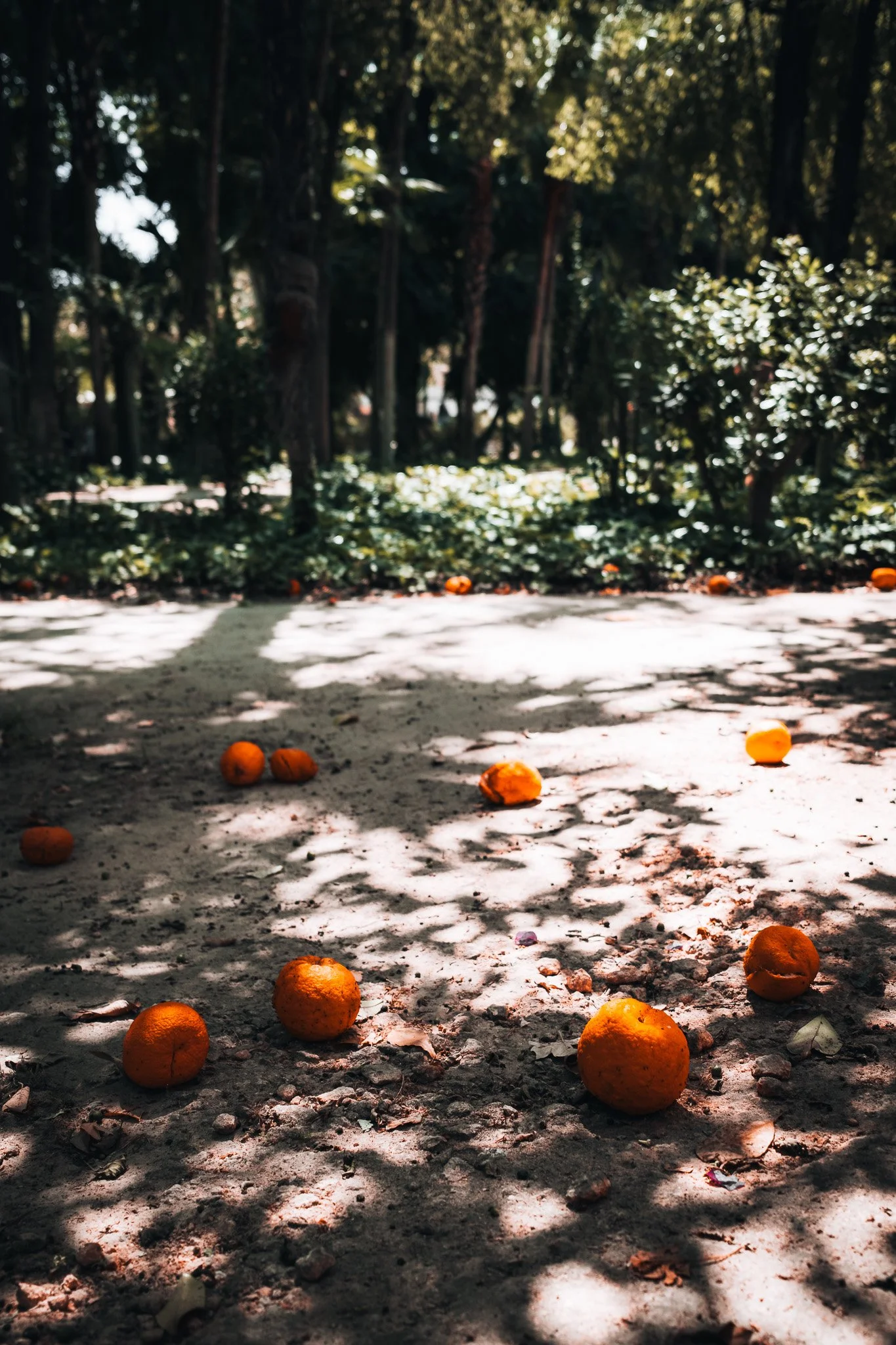
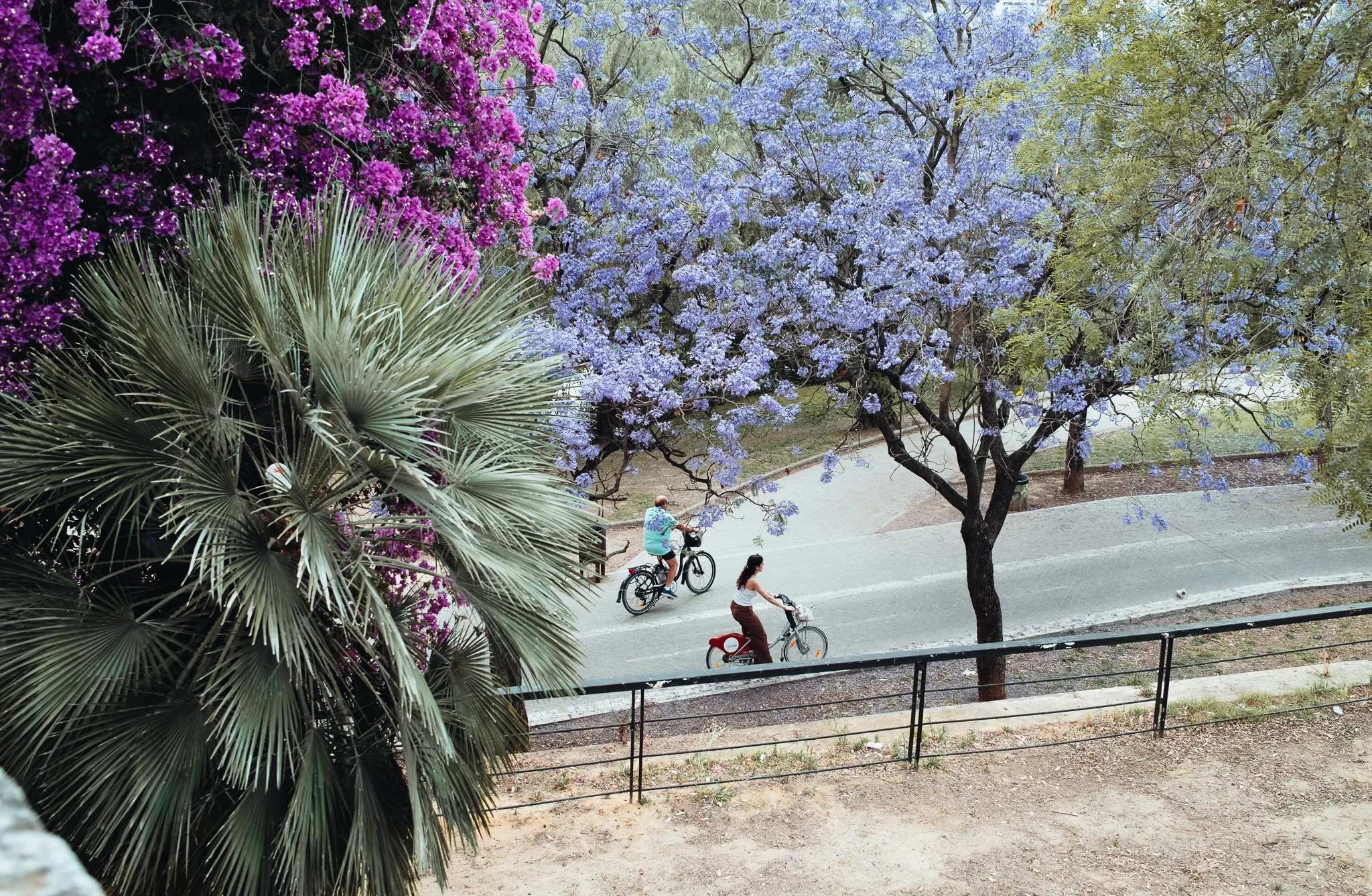
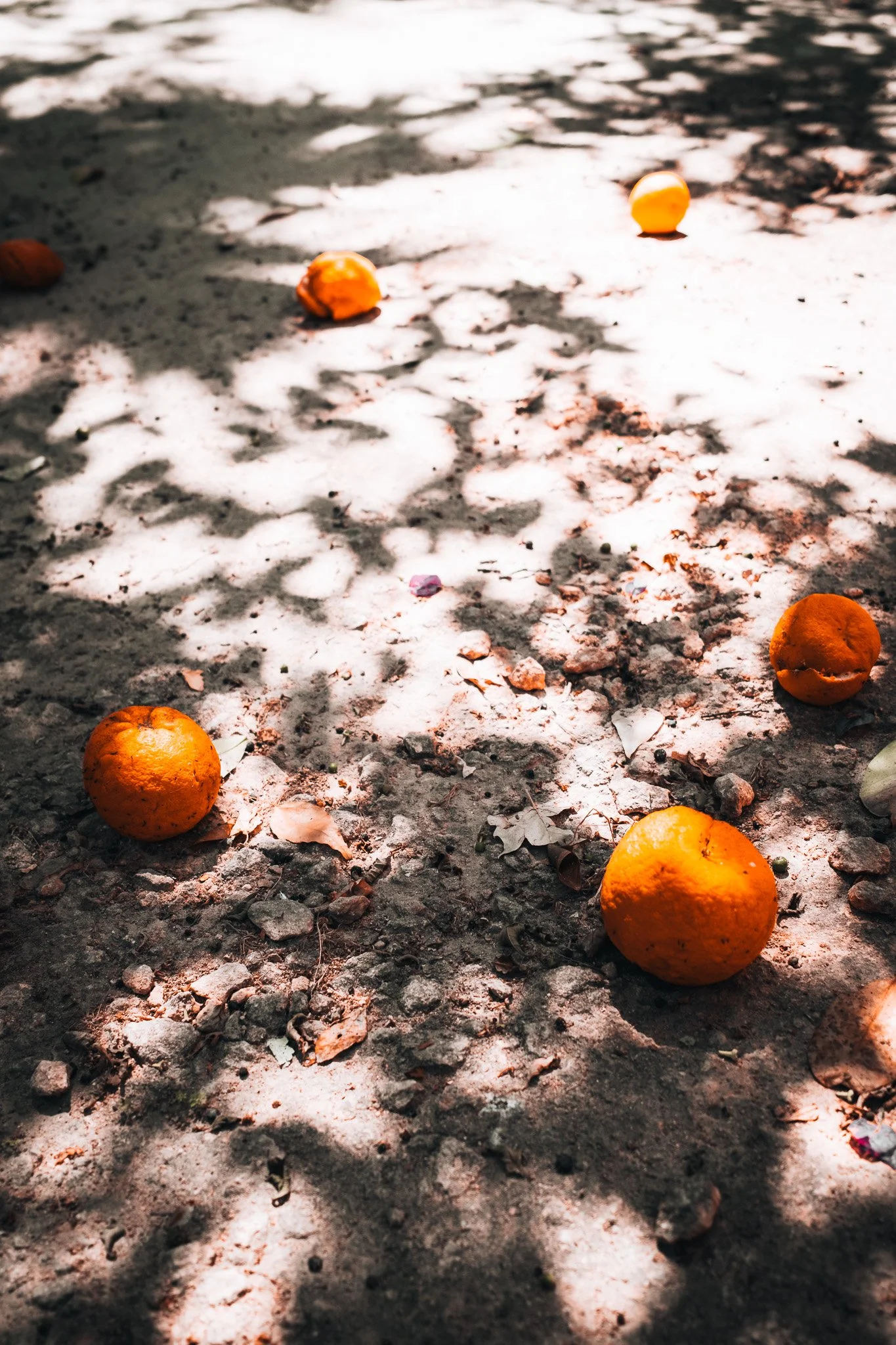
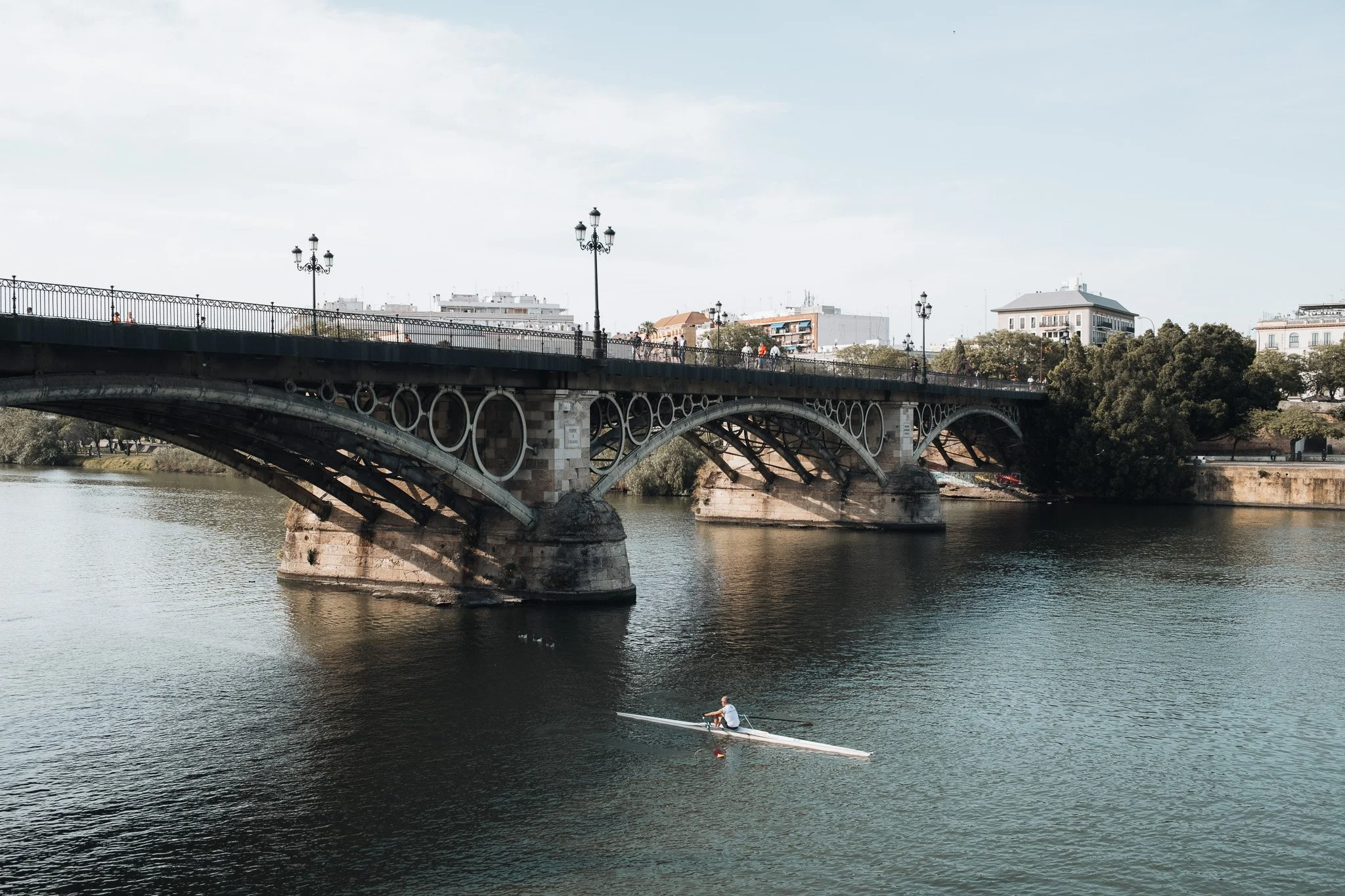
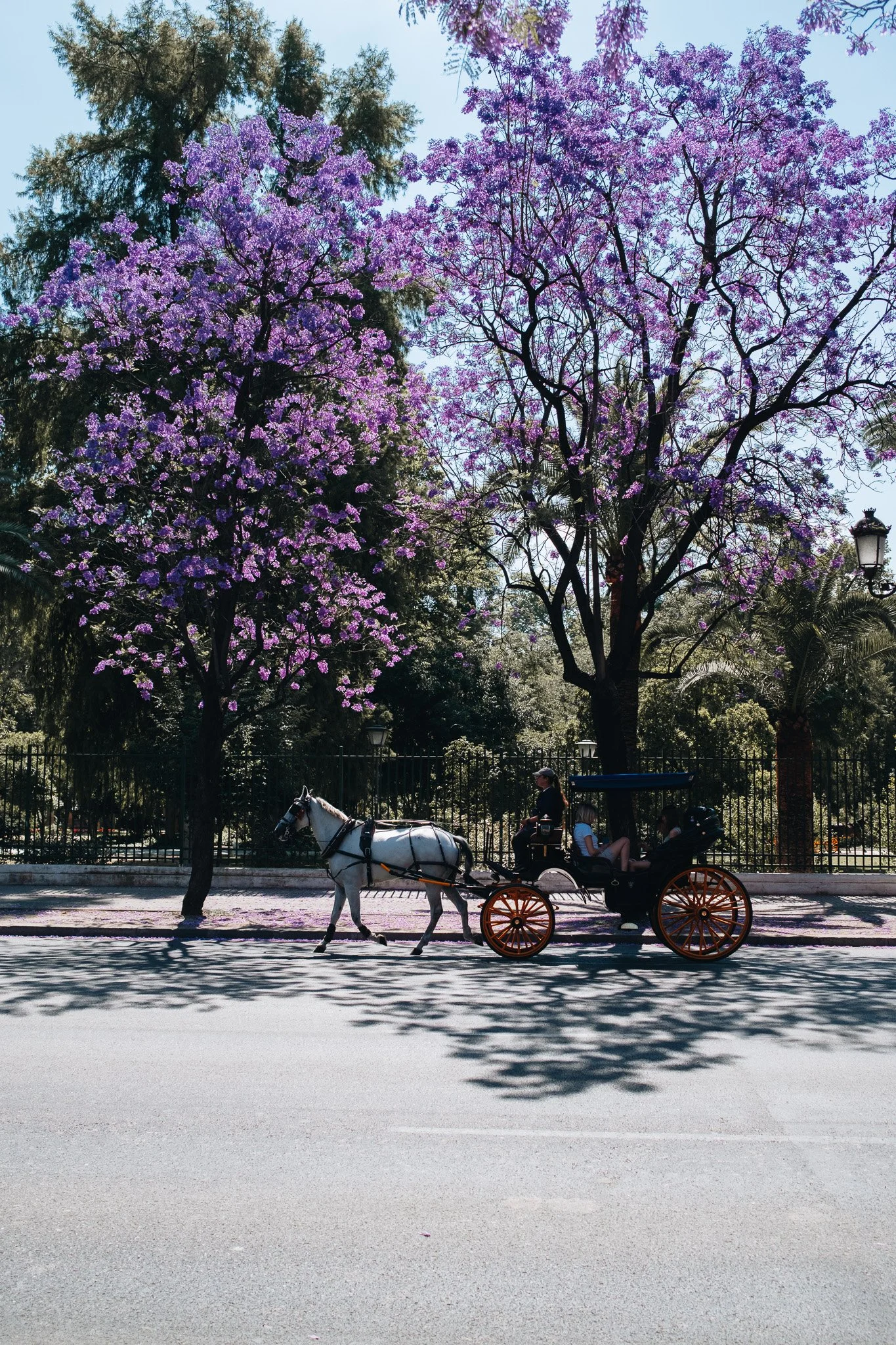
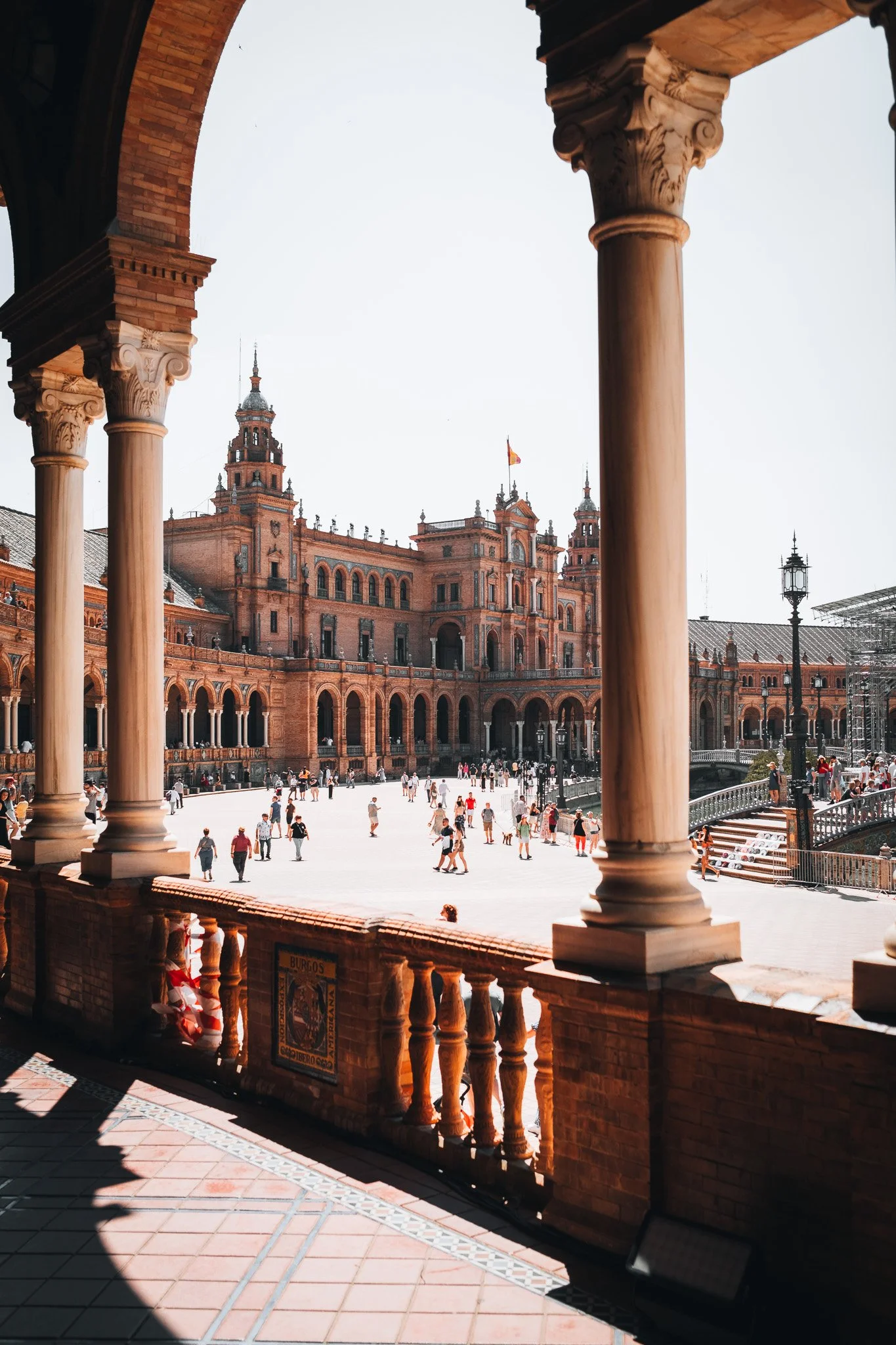
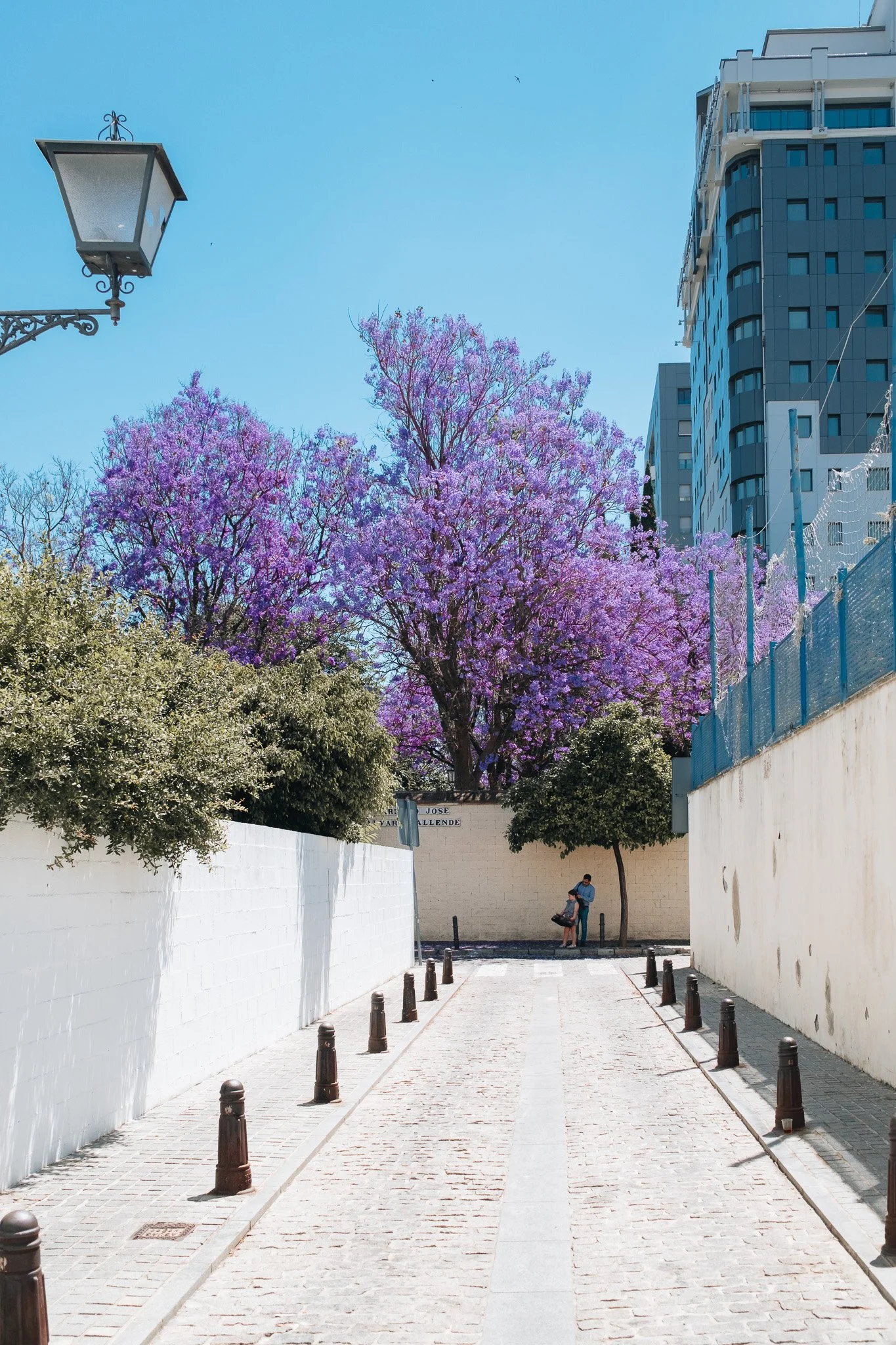
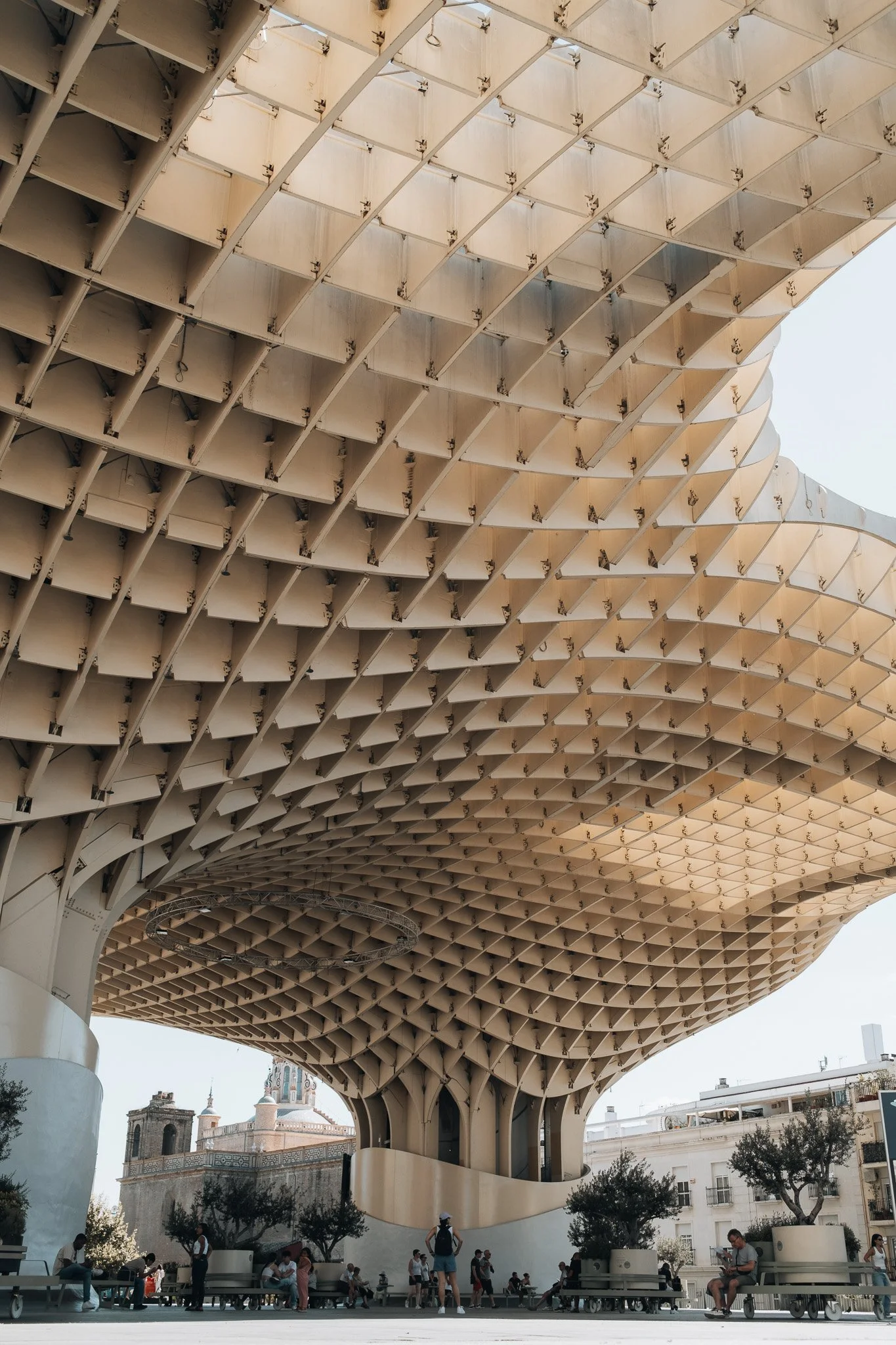
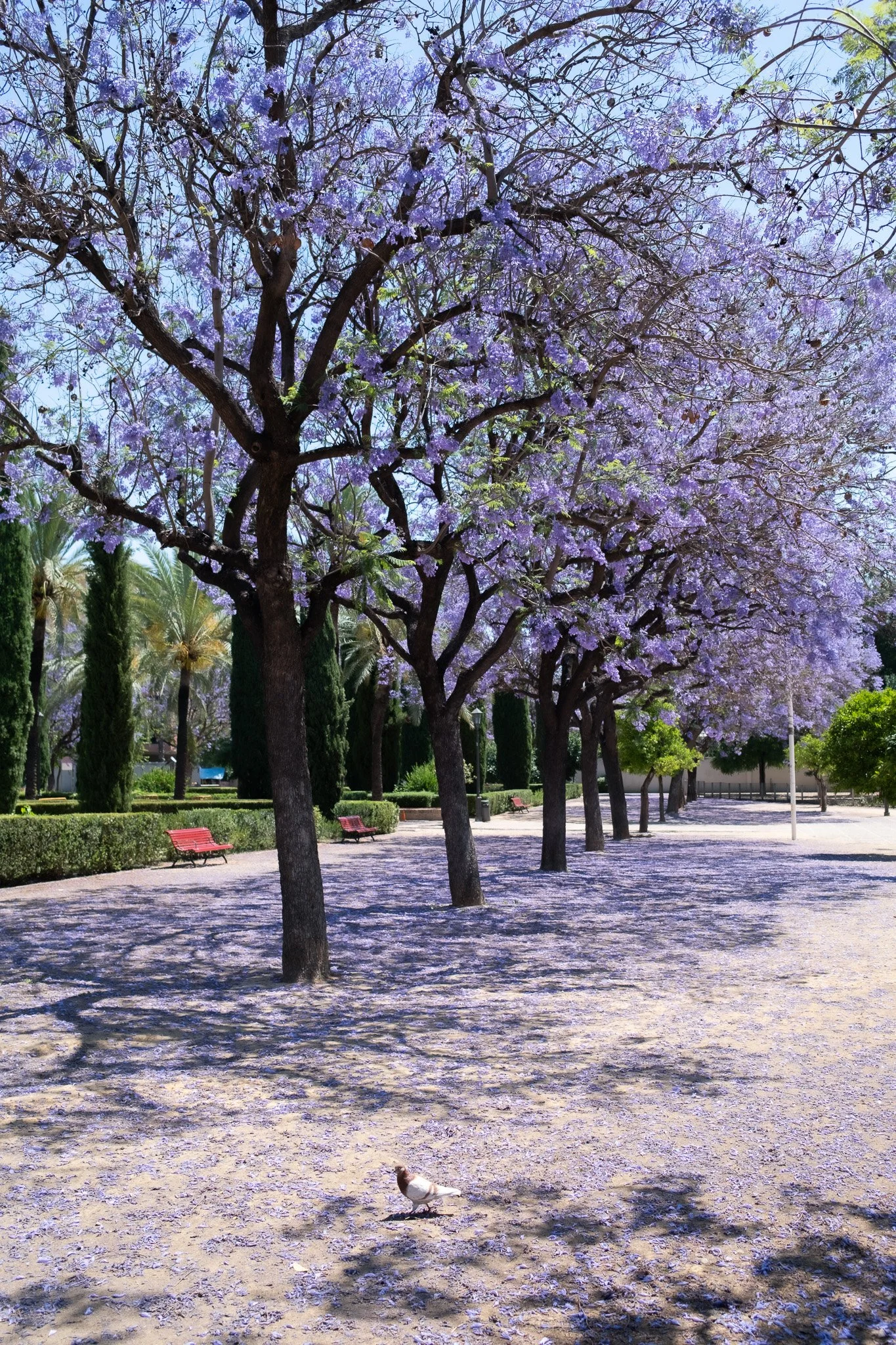
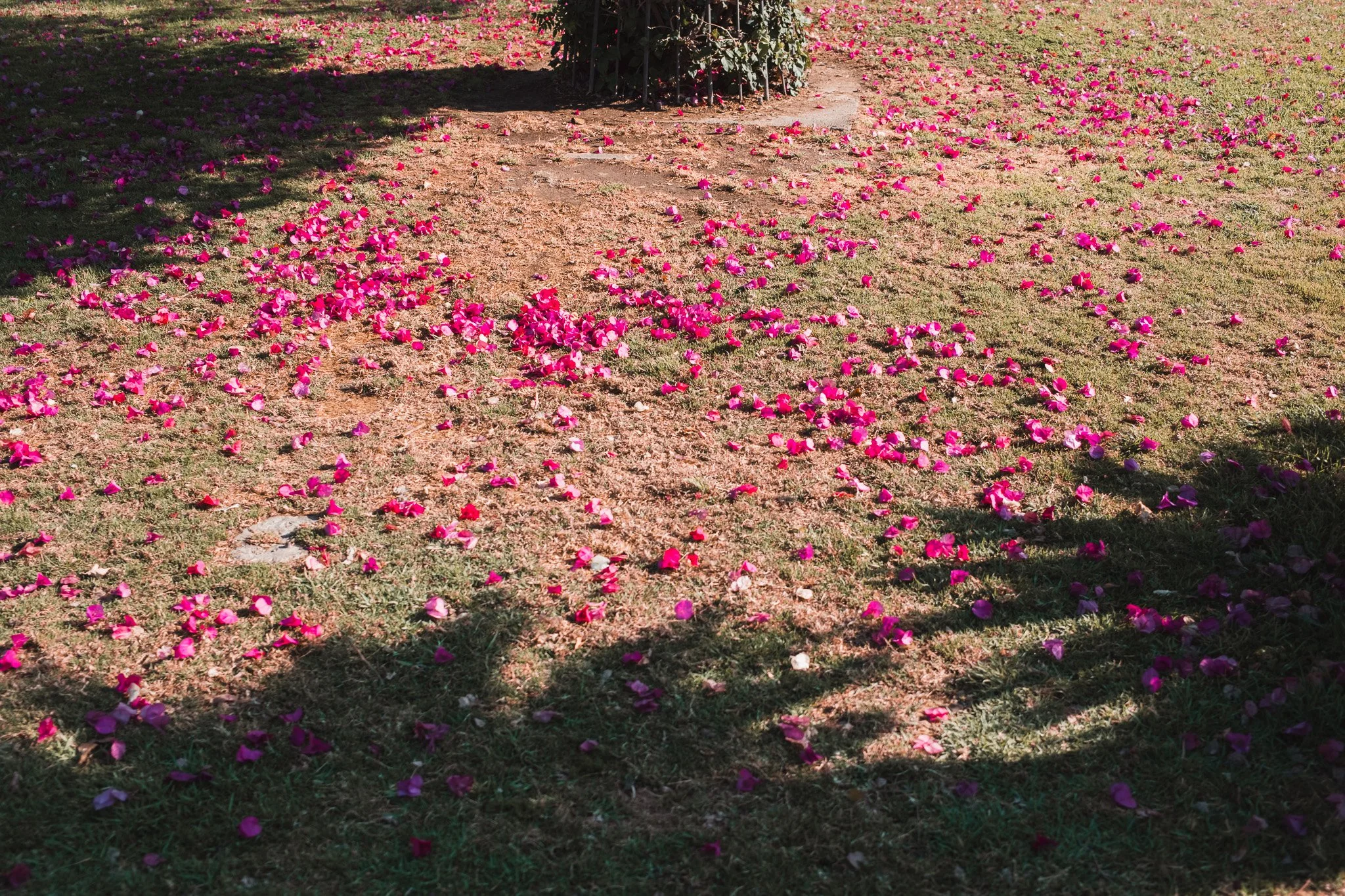
I wandered through sun-drenched Andalusia, where Moorish palaces whisper stories of empires past, and the air is heavy with the scent of oranges ripening on the branch. In early summer, the streets of Córdoba and Seville burst into color—flashes of vibrant orange from citrus trees mingling with the soft purple haze of jacarandas, their fallen petals painting the cobblestones in fleeting poetry.
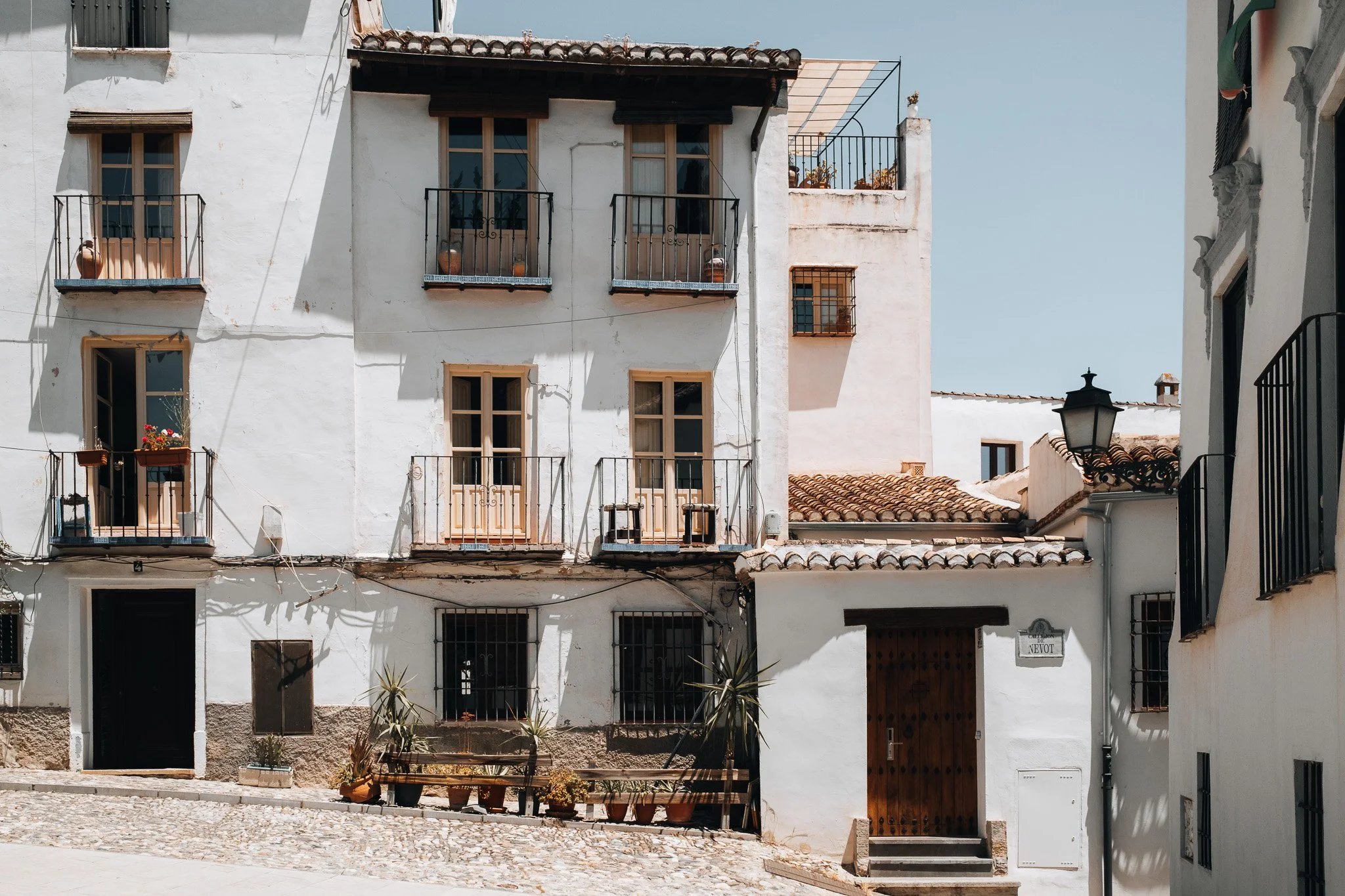
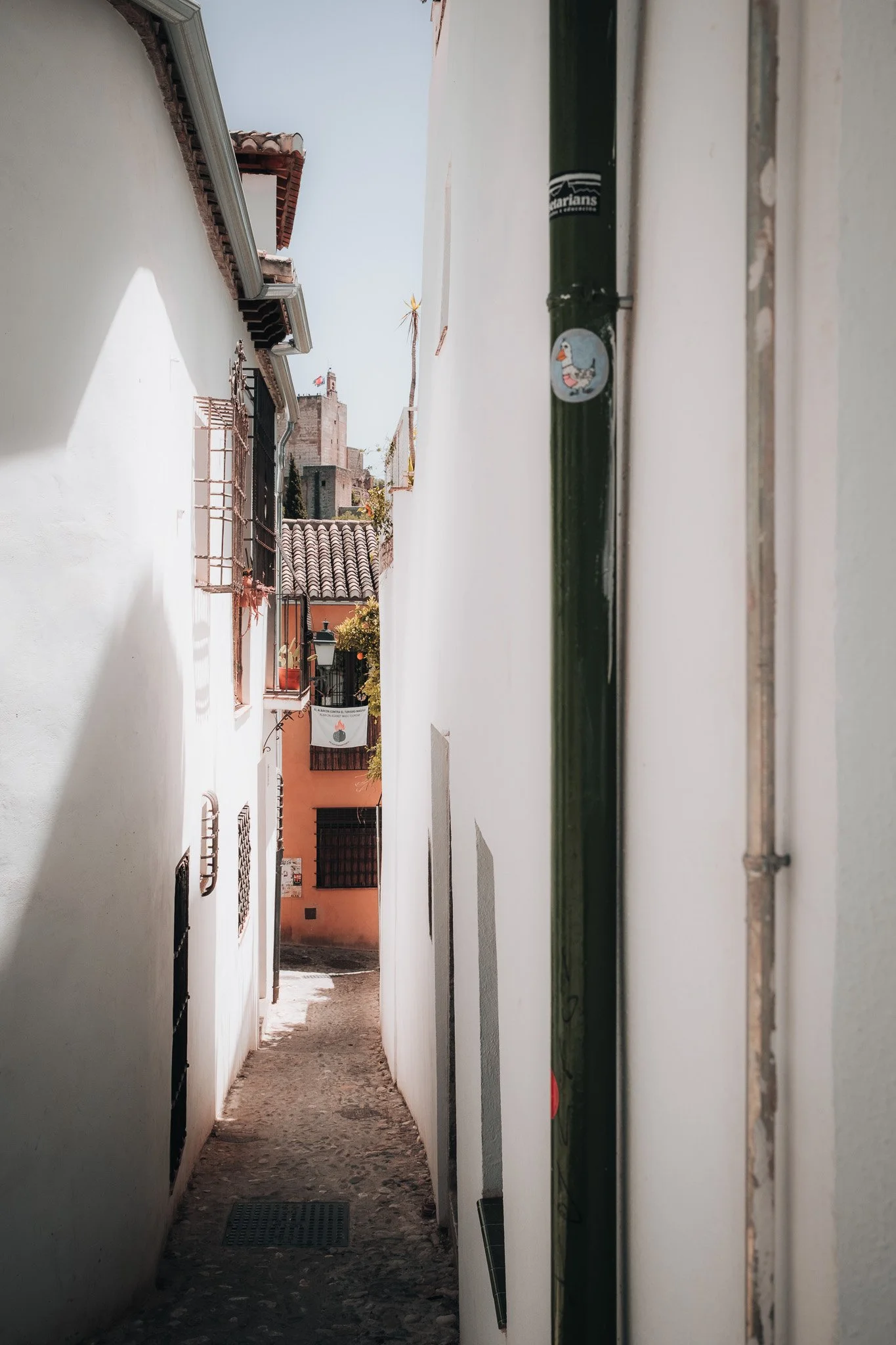
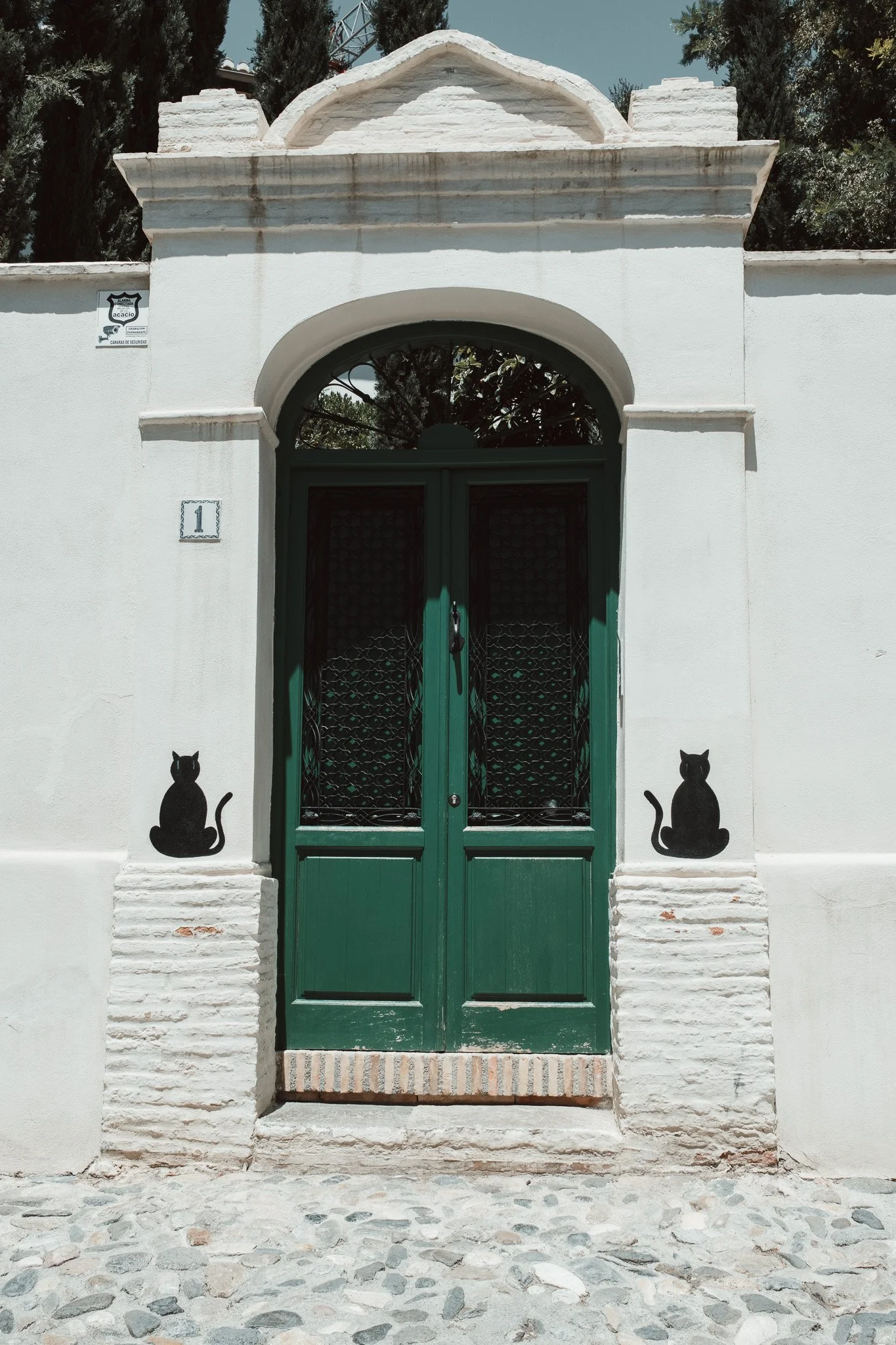
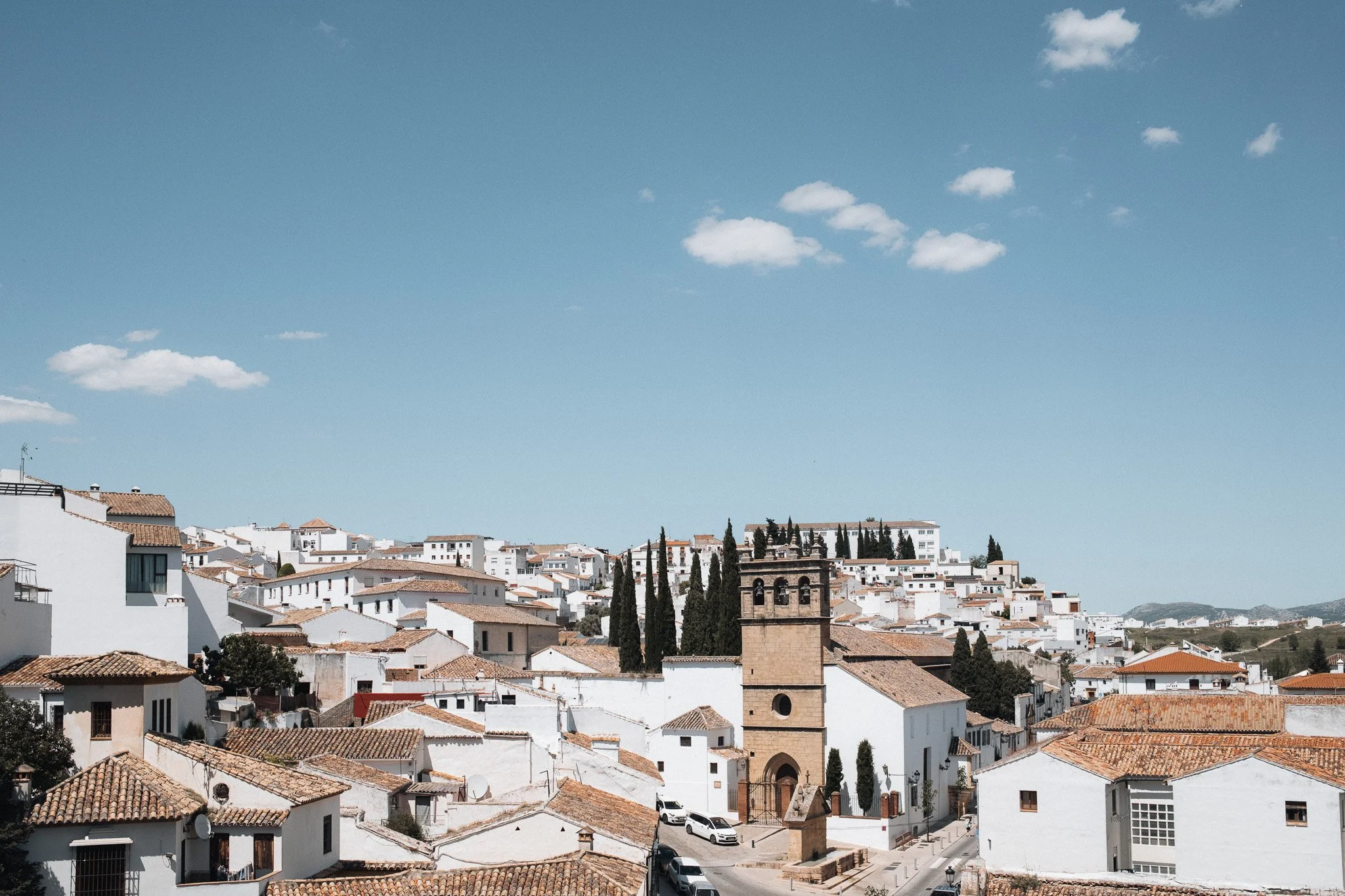
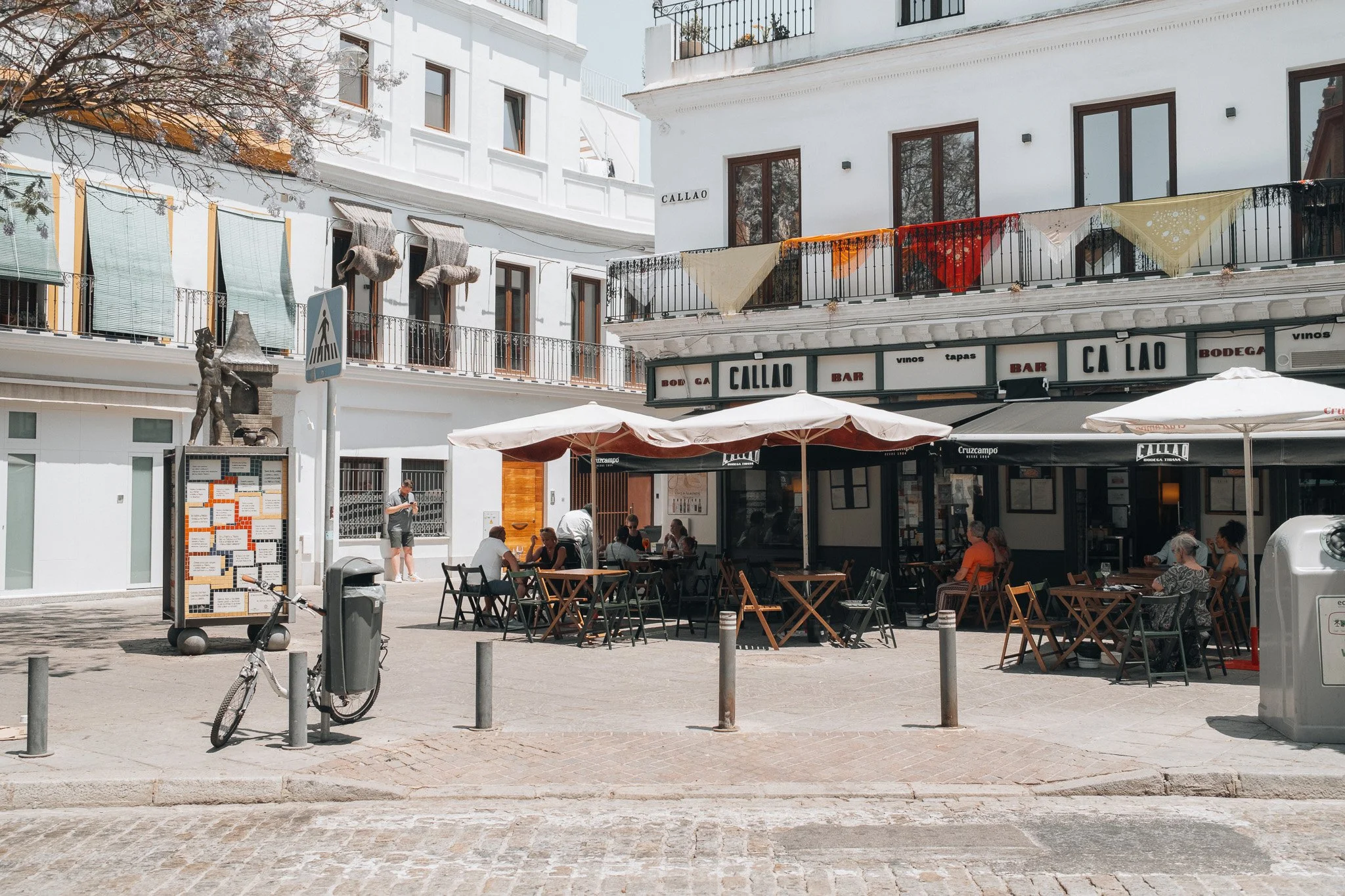
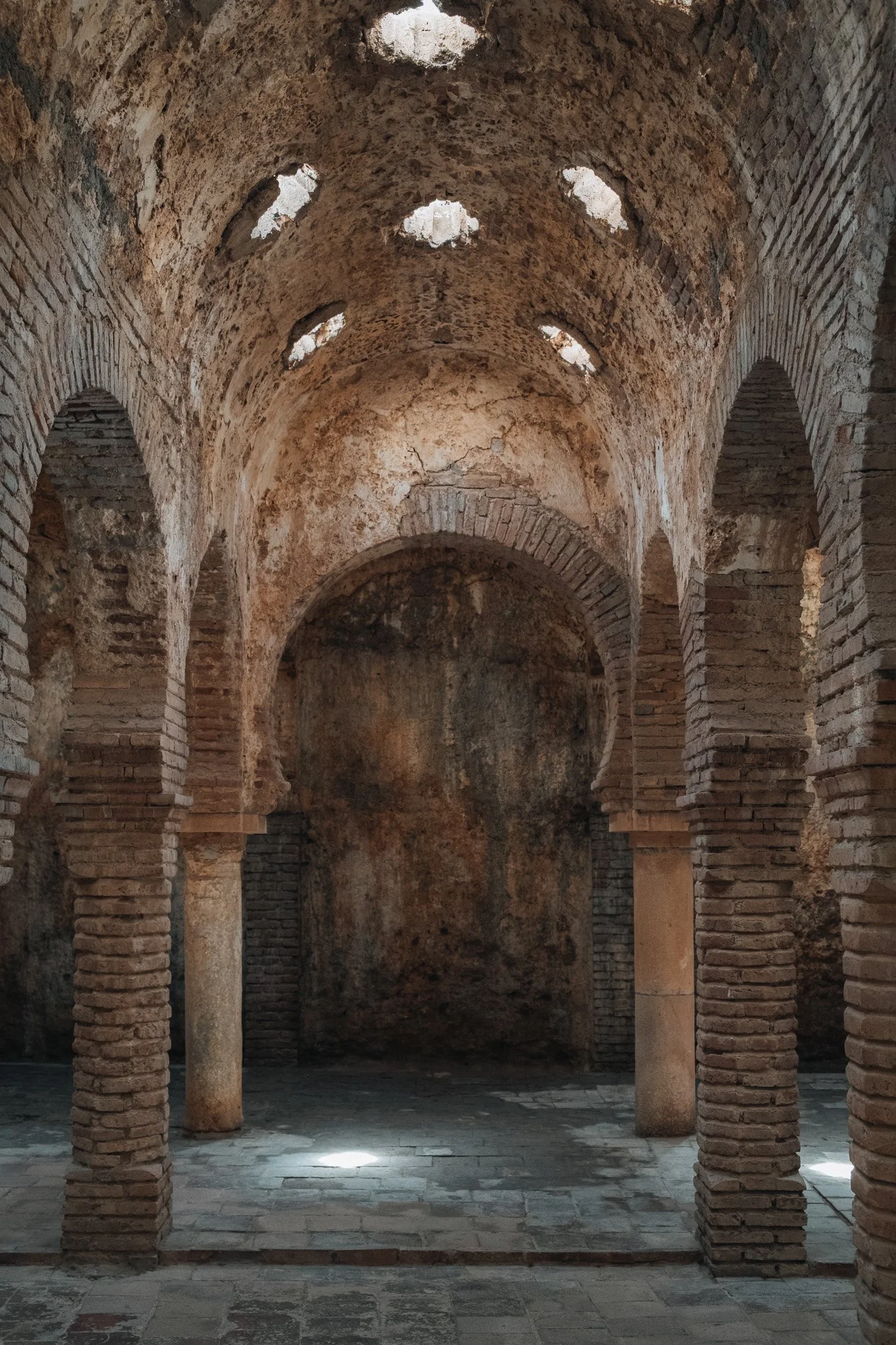
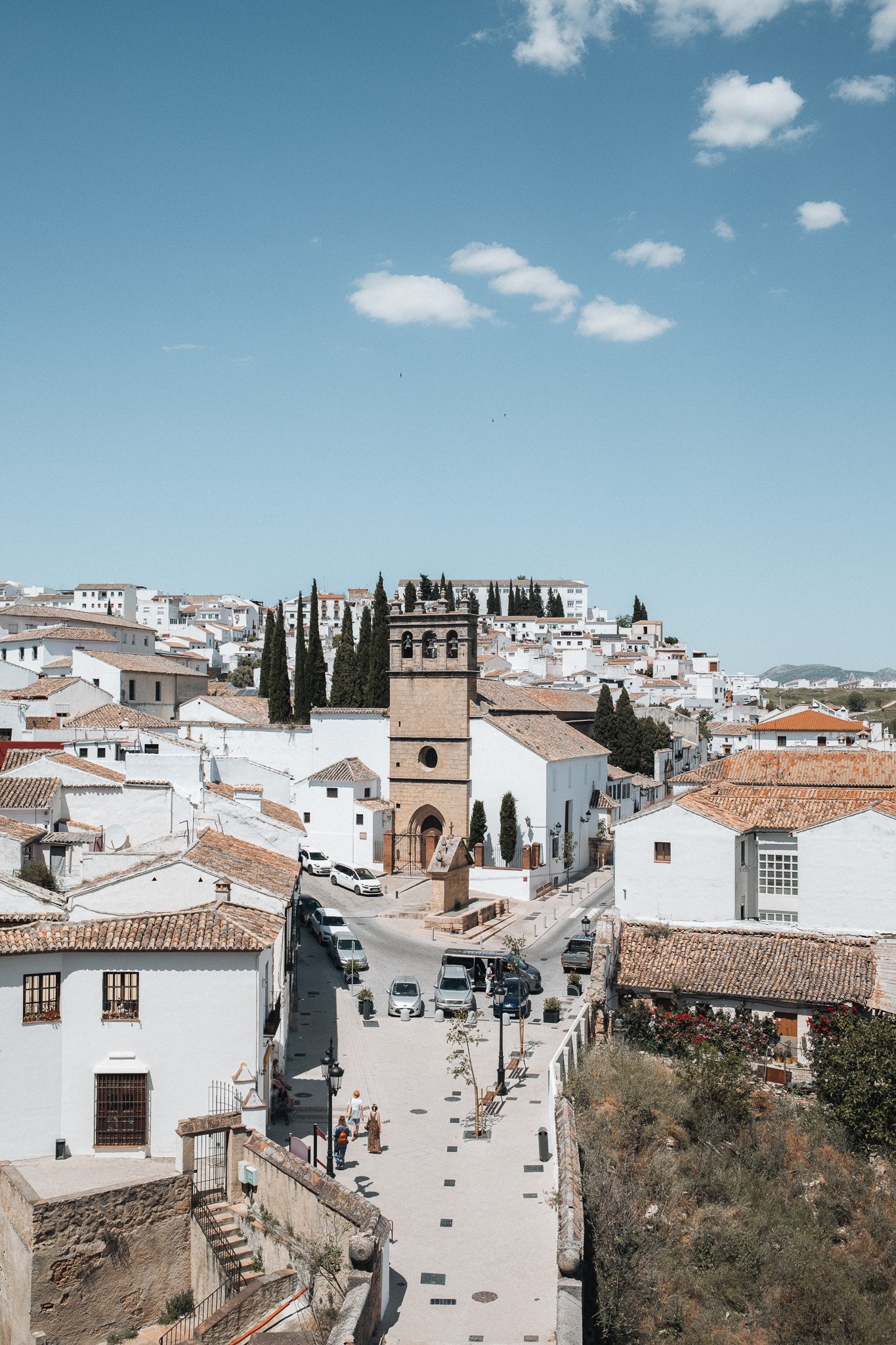
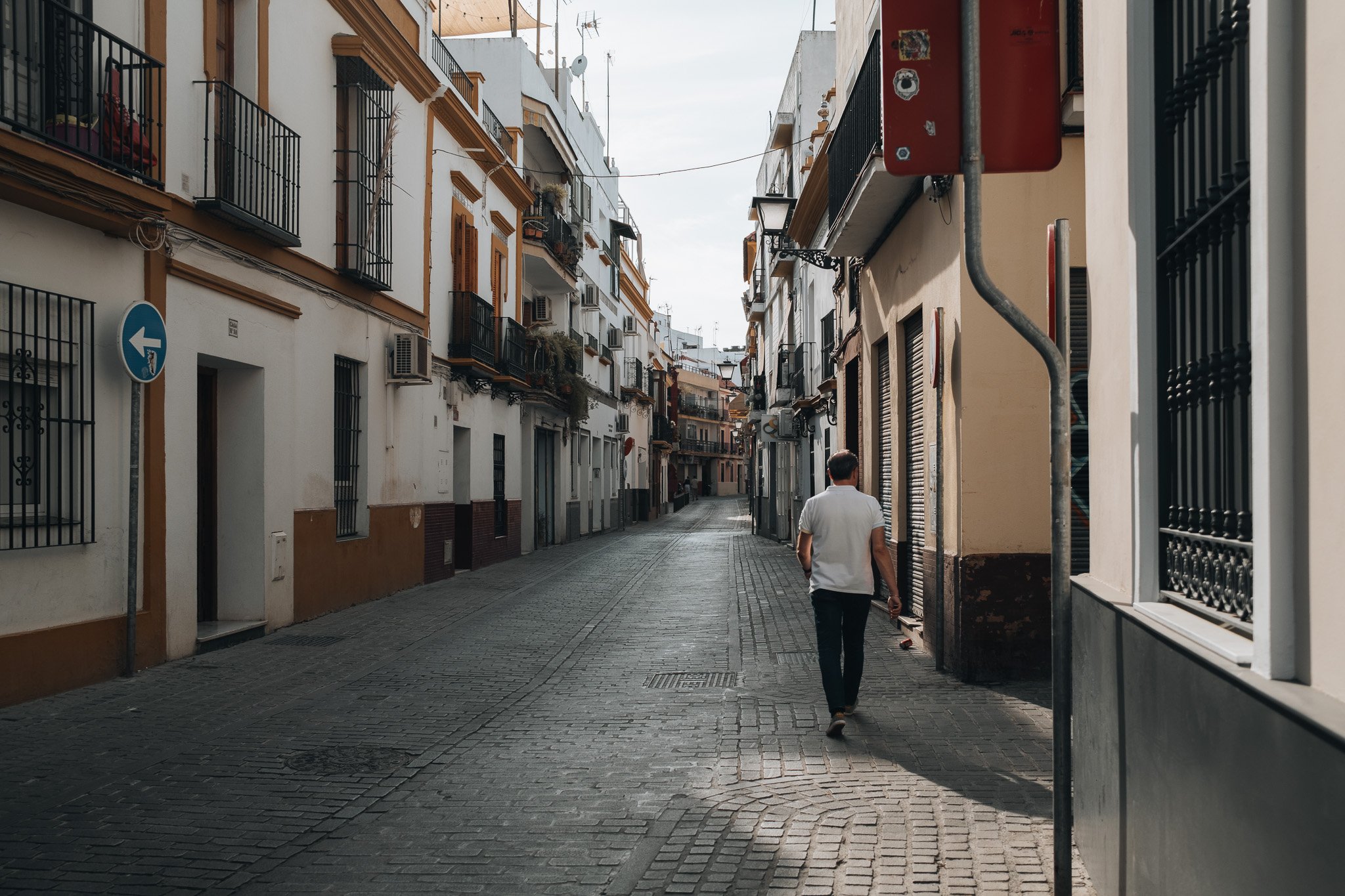
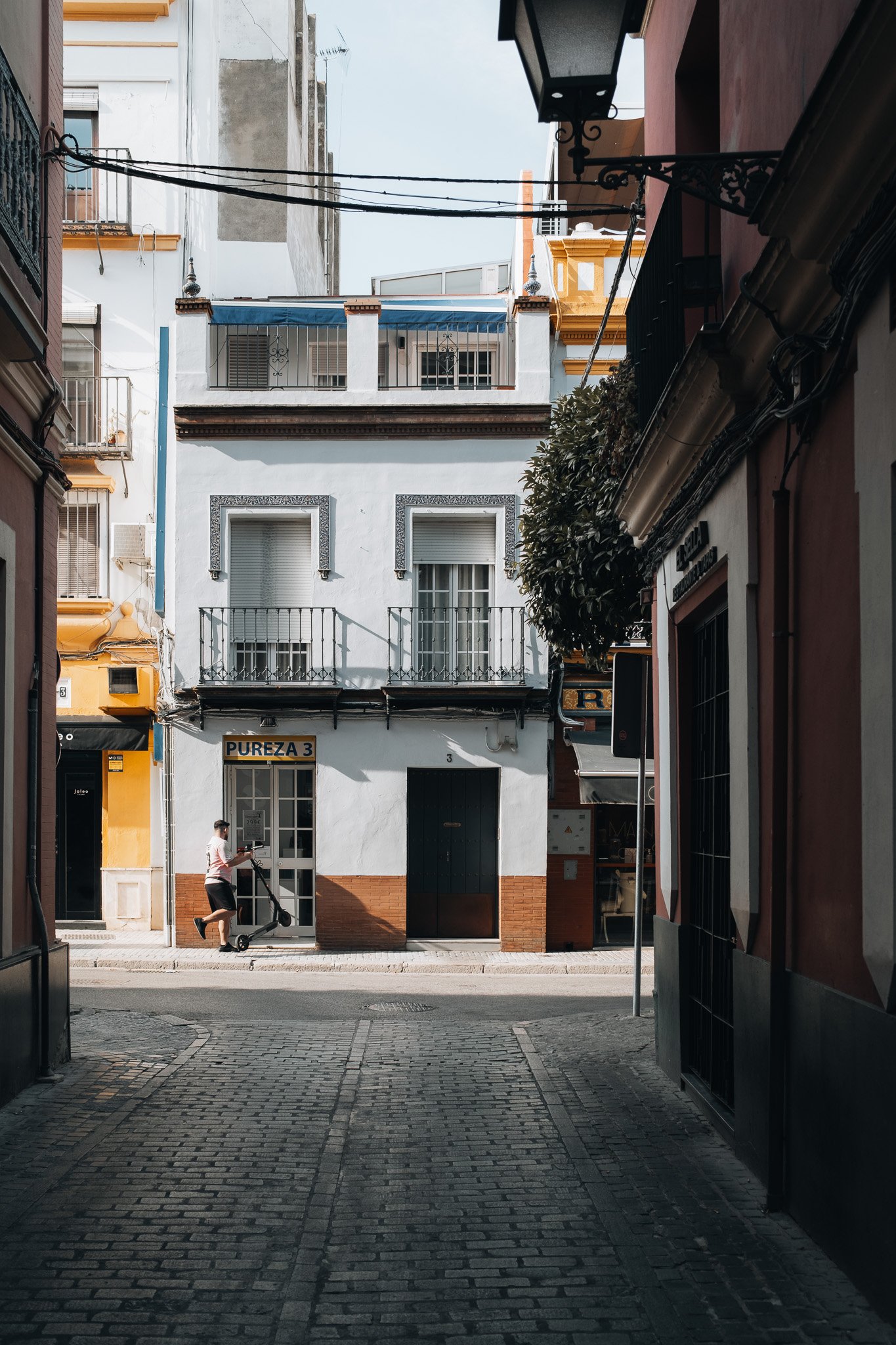
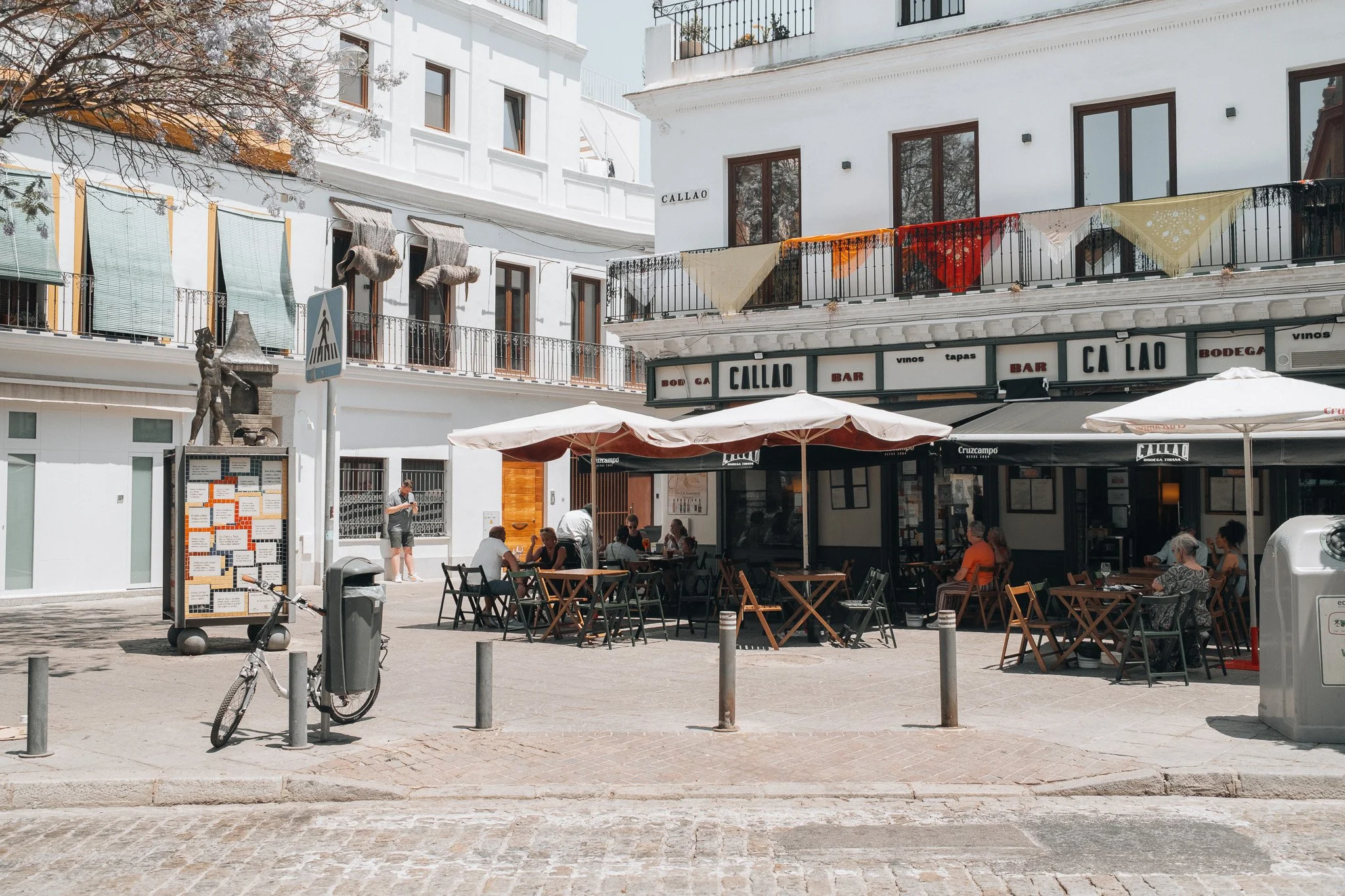
As I meandered through the white-washed alleys of Ronda and the old quarters of Granada, the region revealed itself slowly, like the unfolding of a flamenco performance. In dimly lit bodegas, I lingered over plates of jamón ibérico and salmorejo, the coolness of local sherry offsetting the Andalusian heat. The nights pulsed with life—guitar strings vibrating with emotion, heels striking the floor in rhythmic defiance, voices rising in raw, aching song.
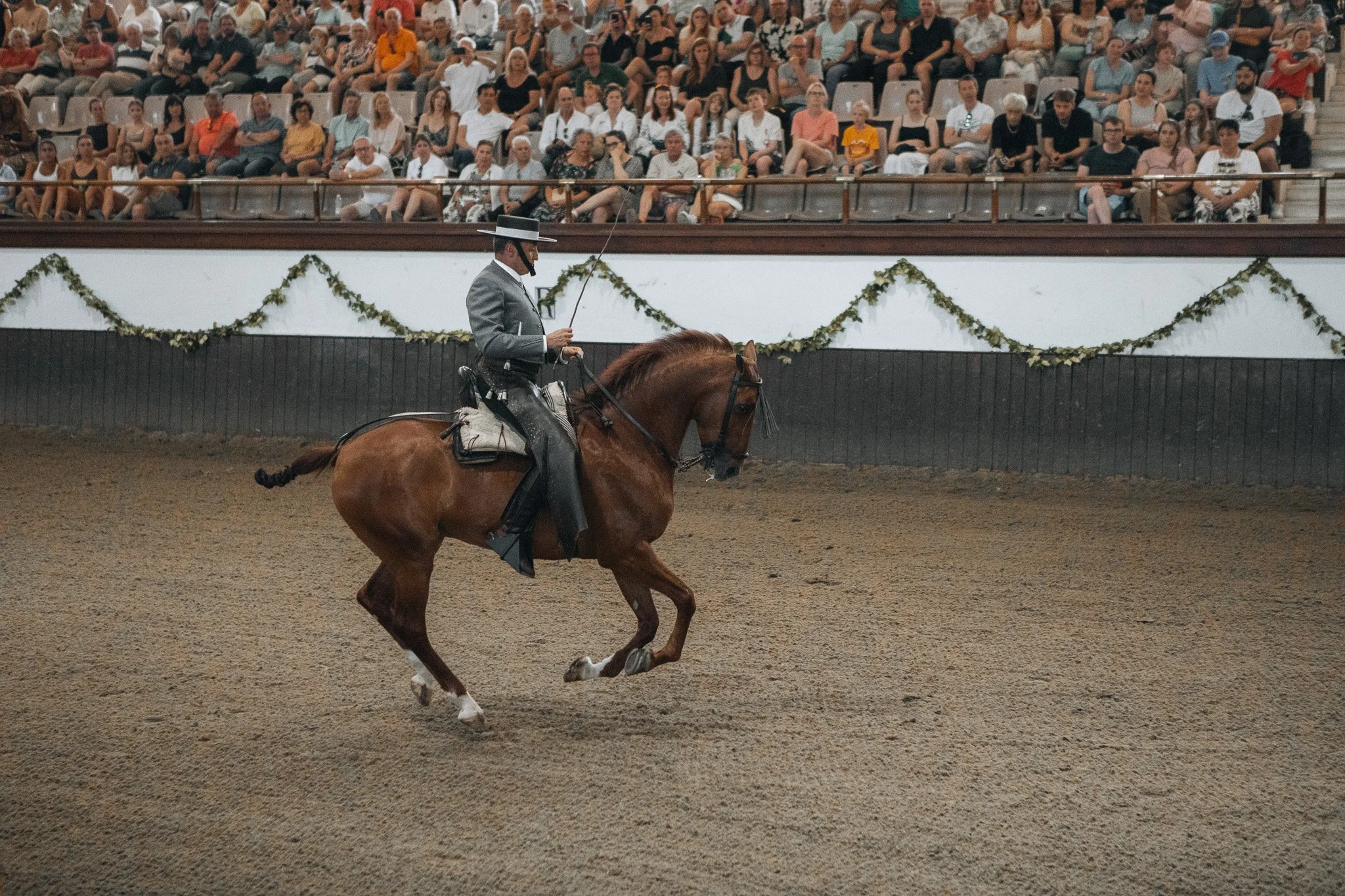
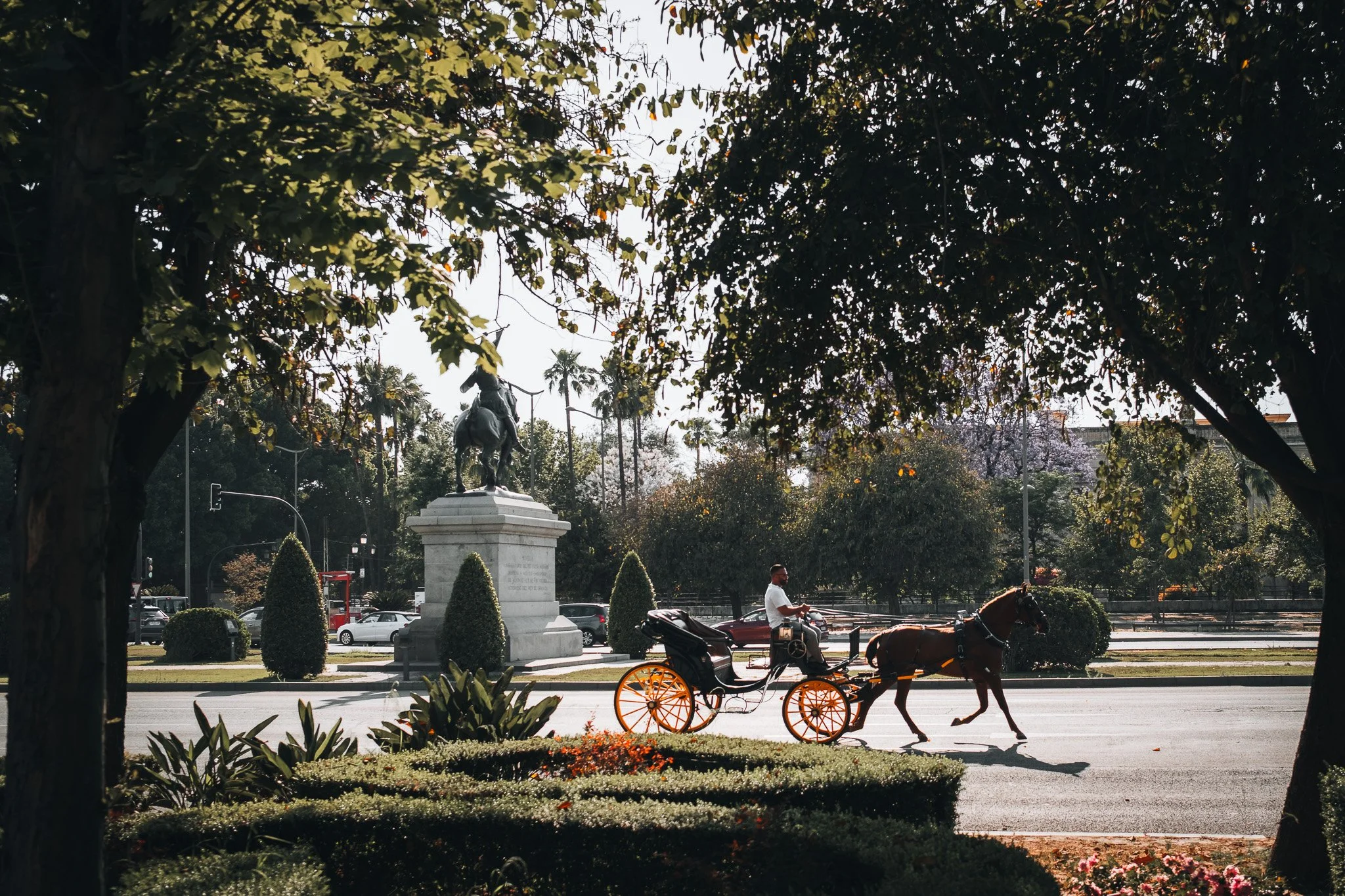
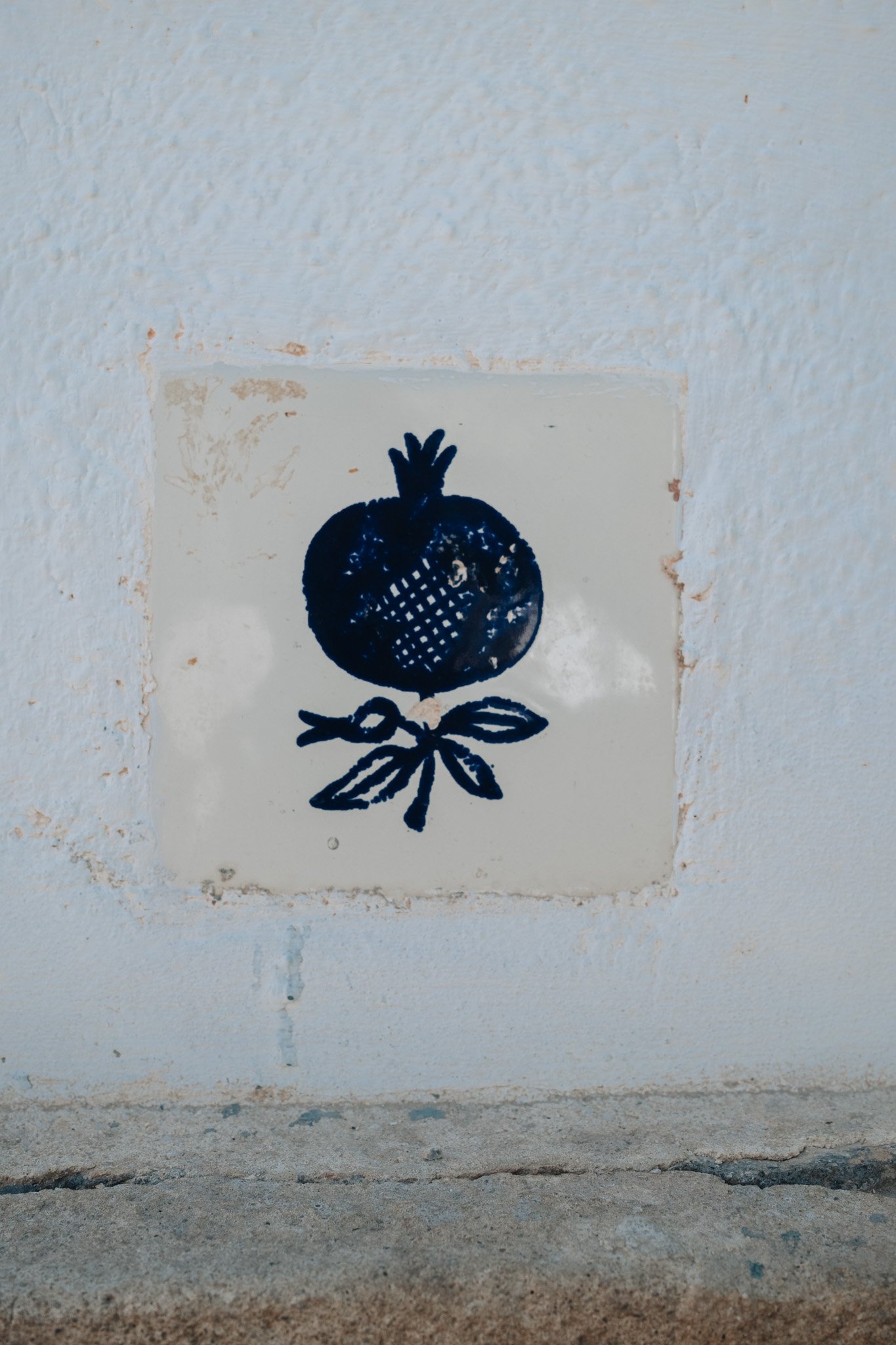
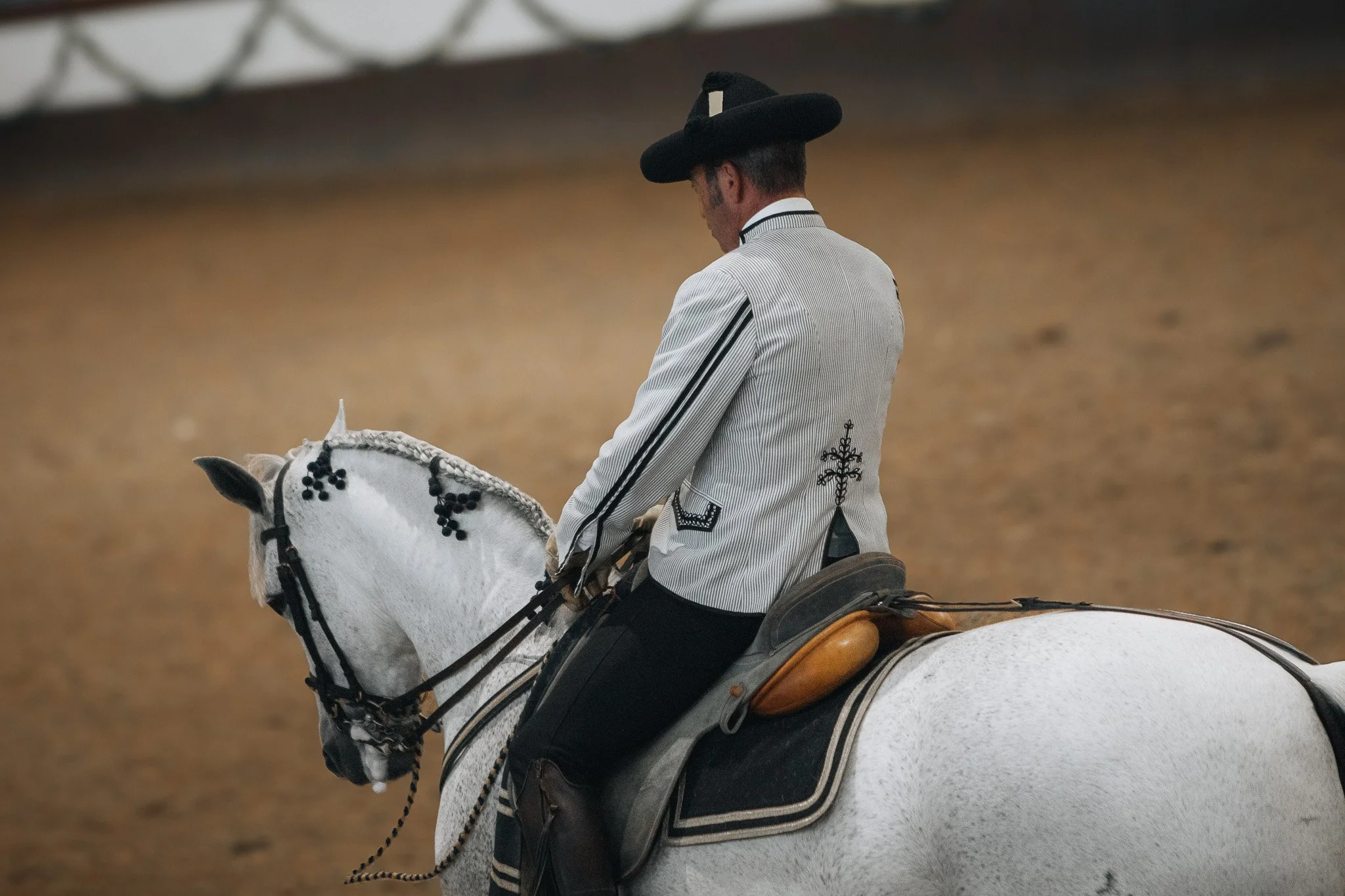
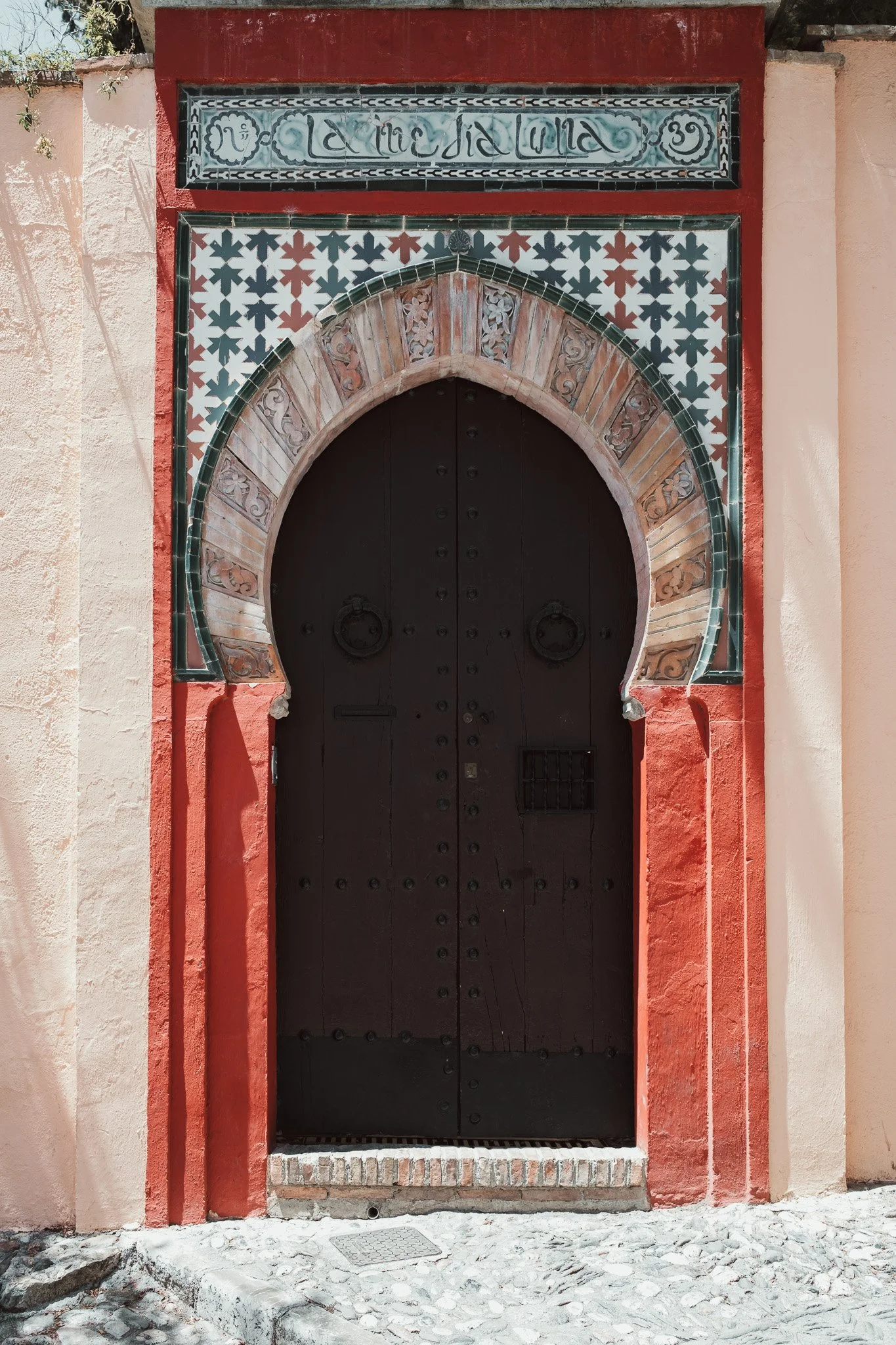
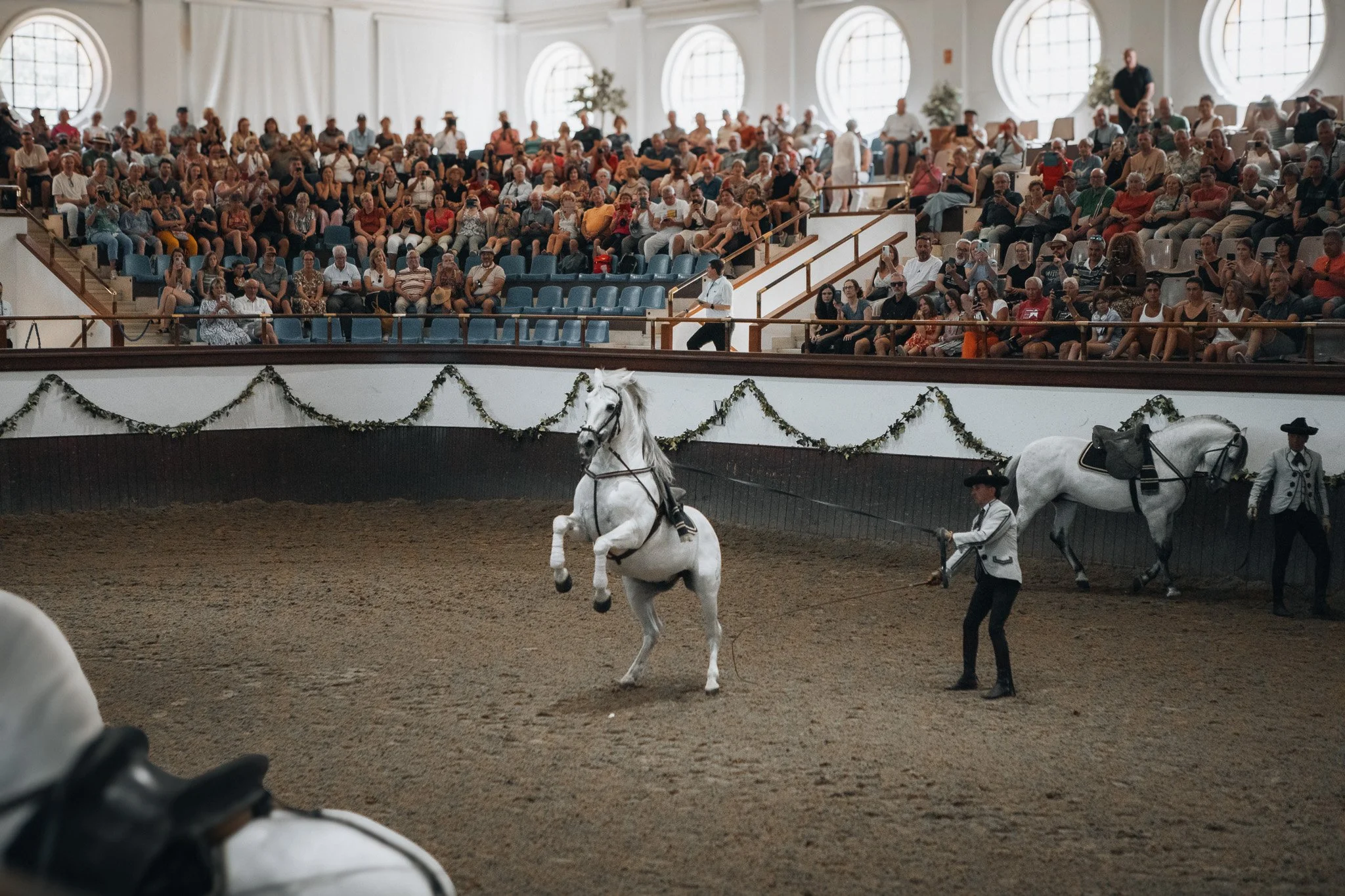
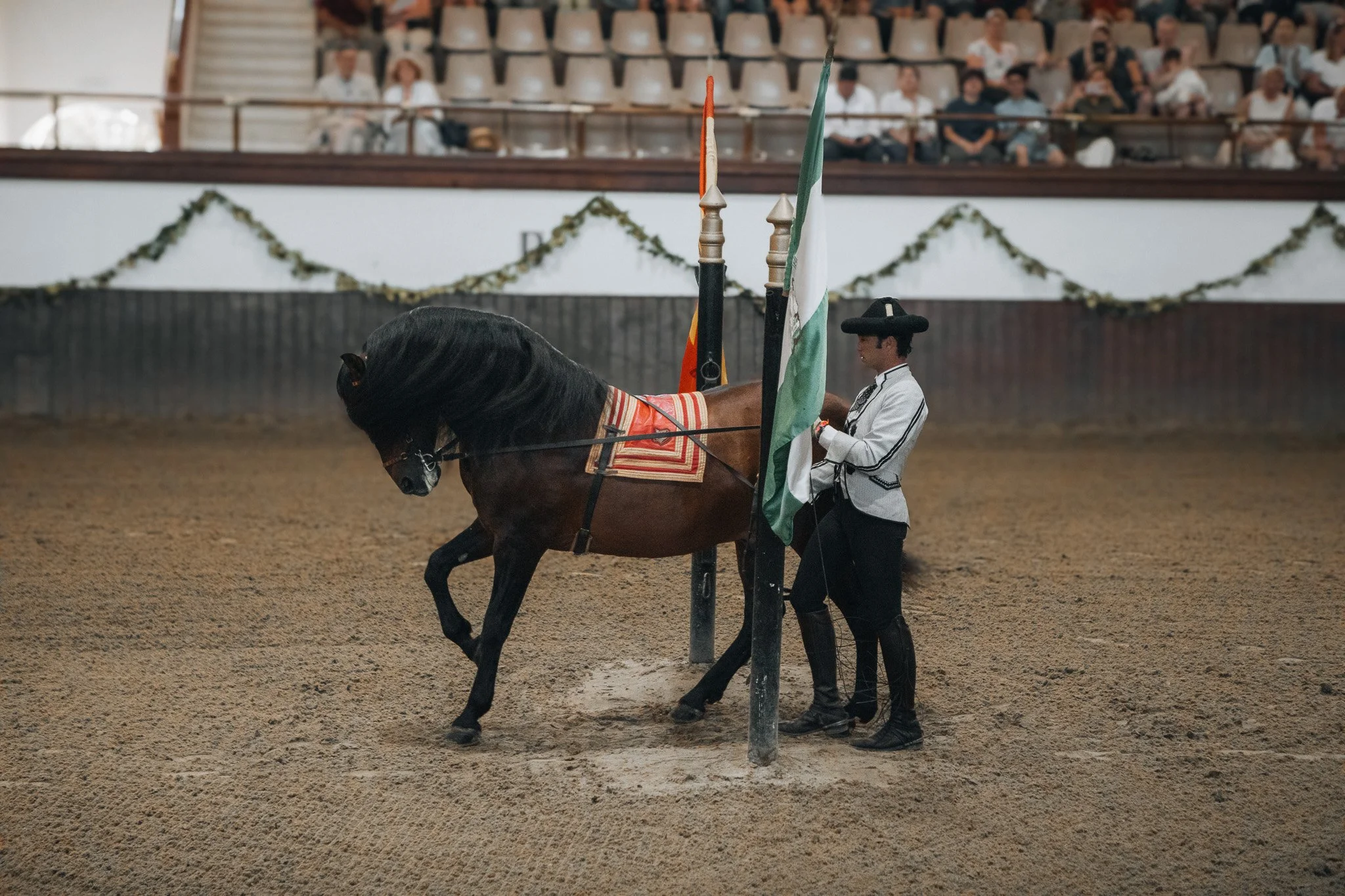
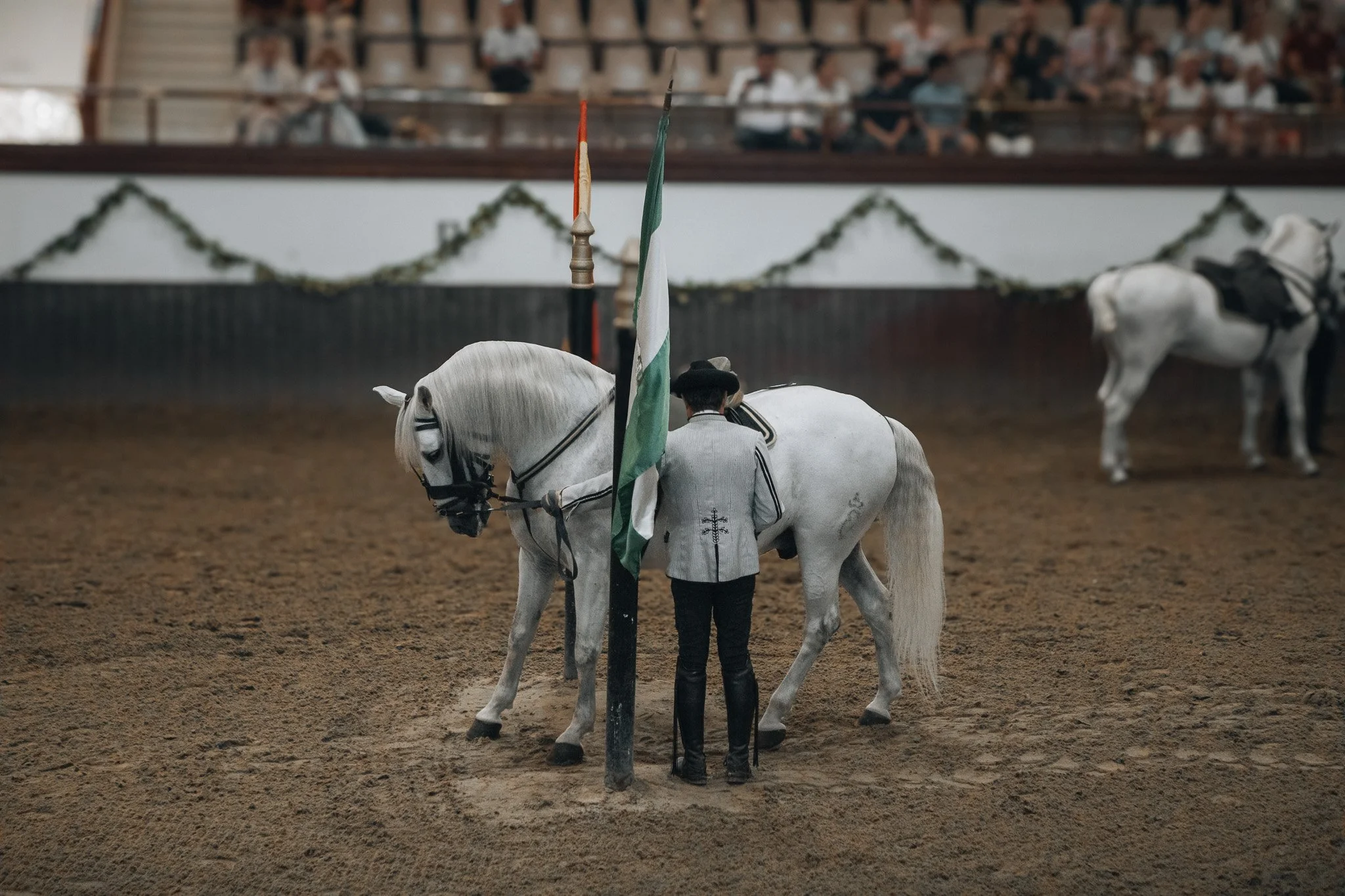
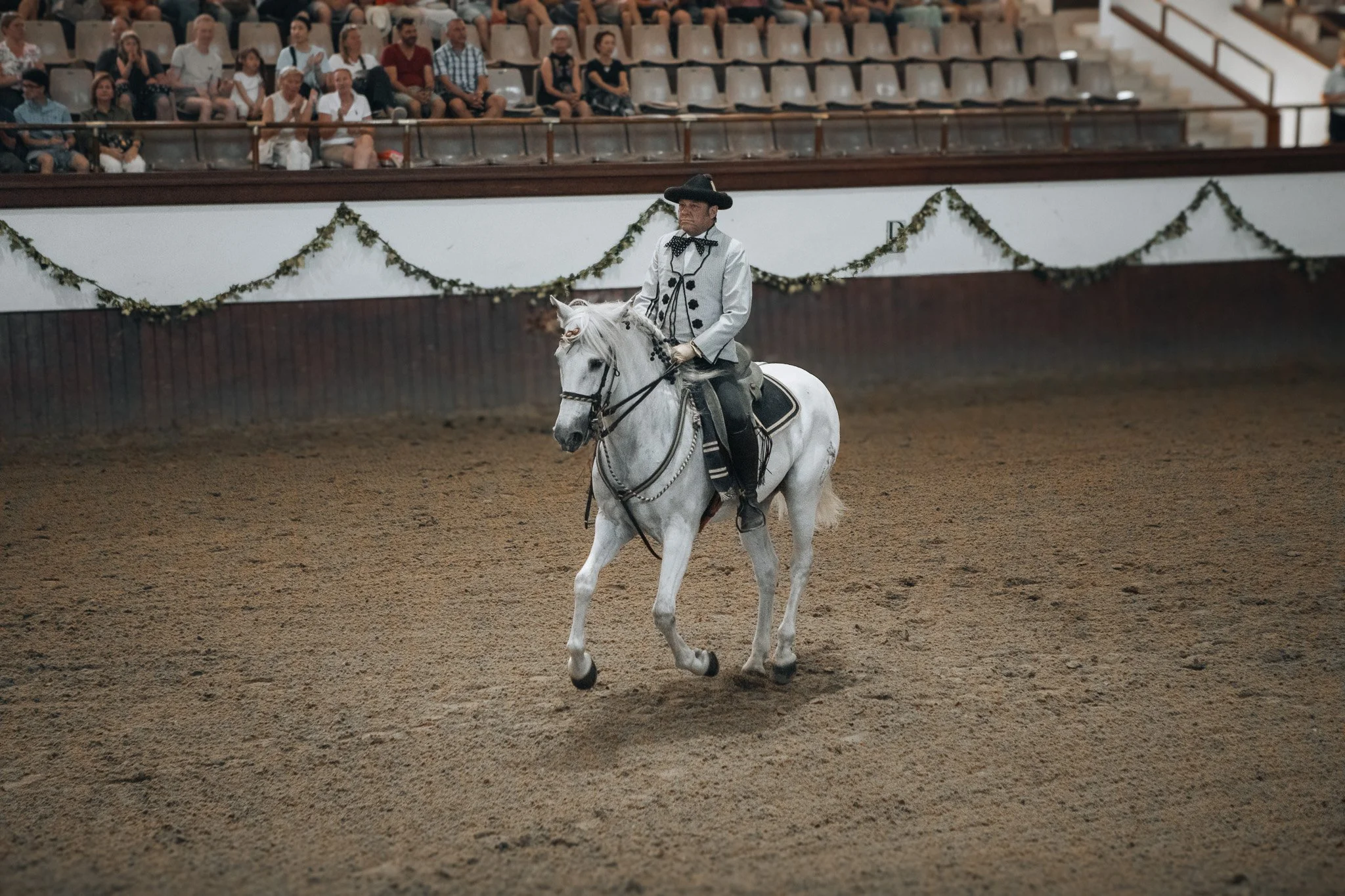
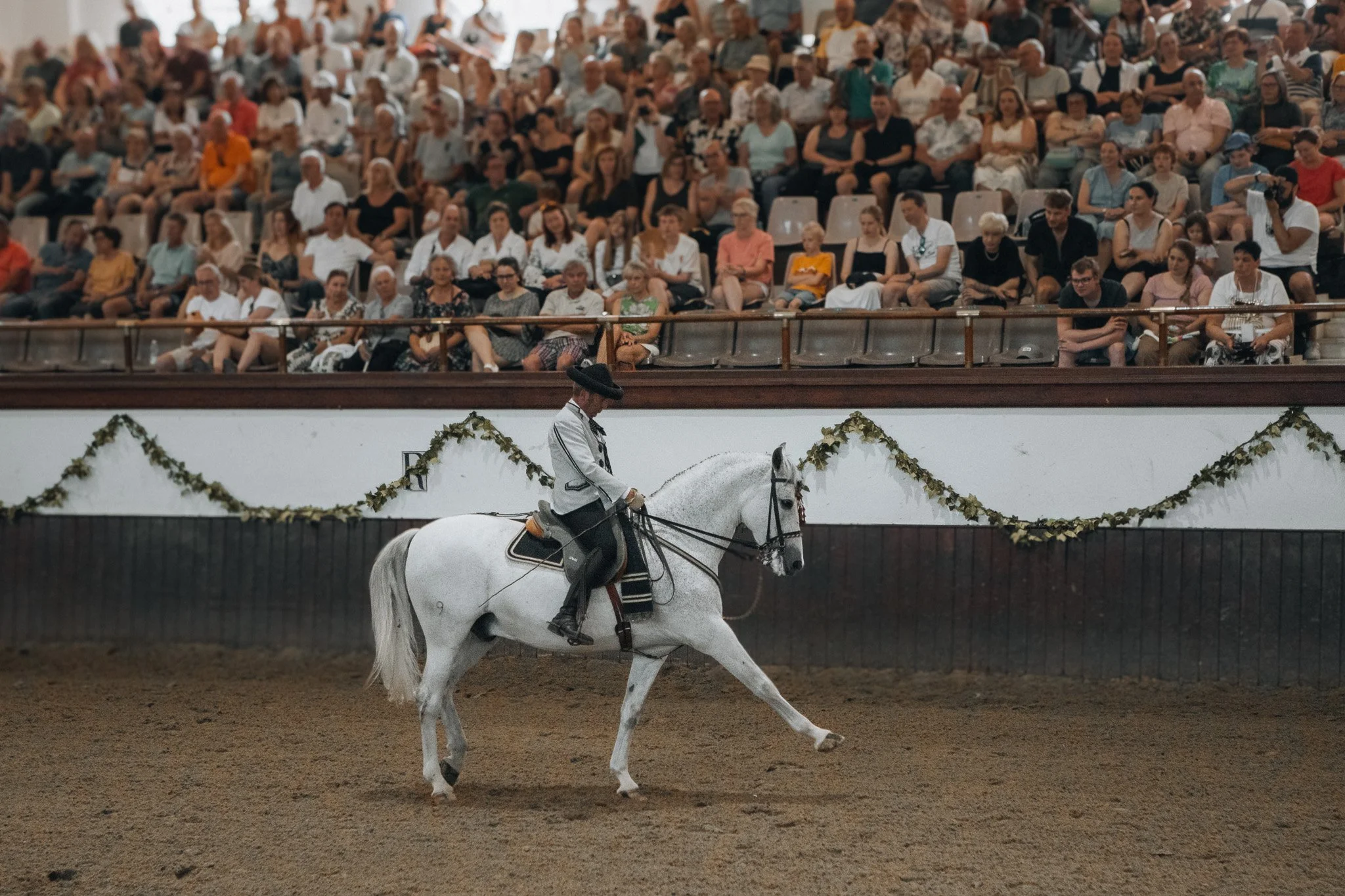
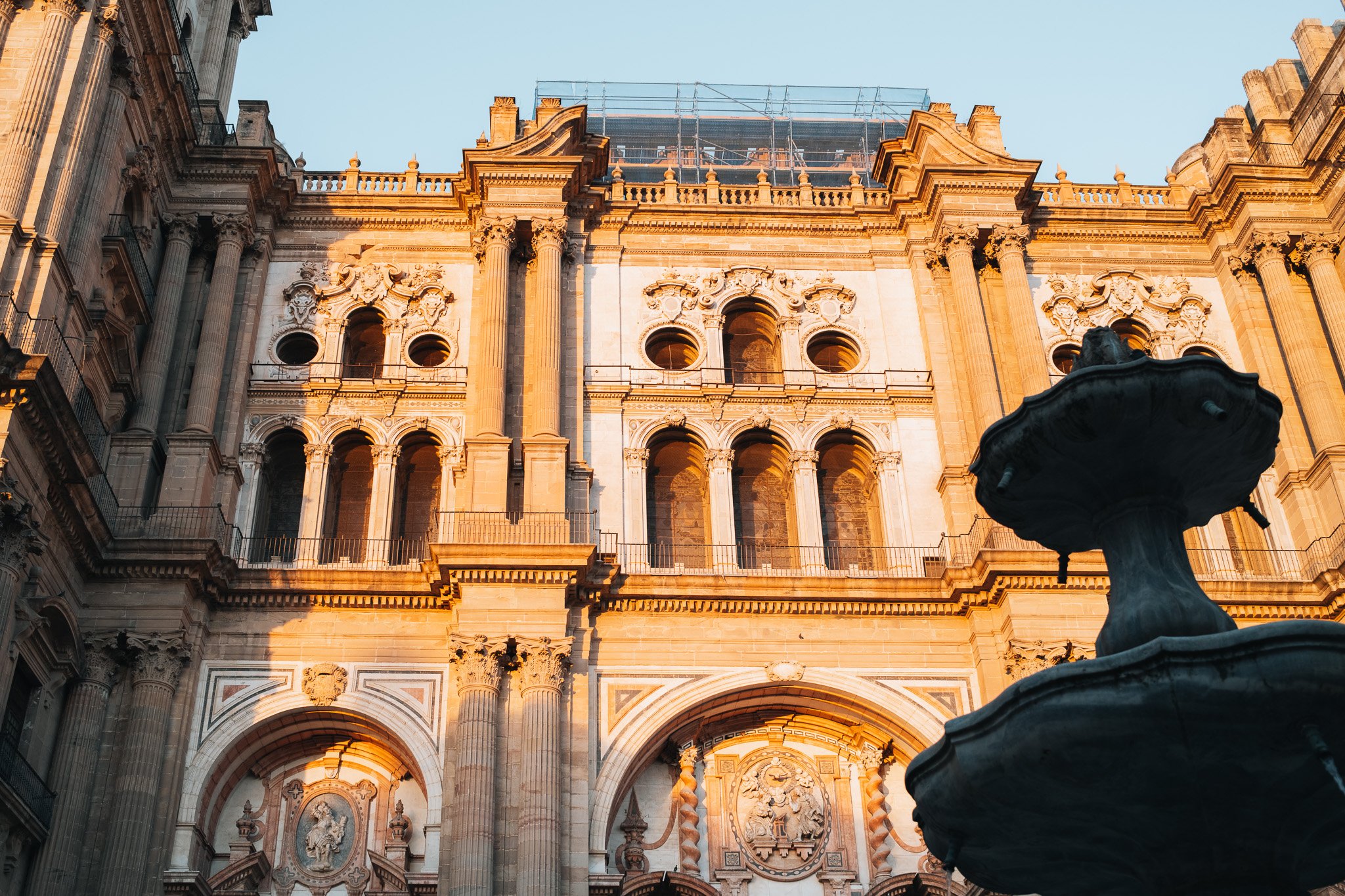
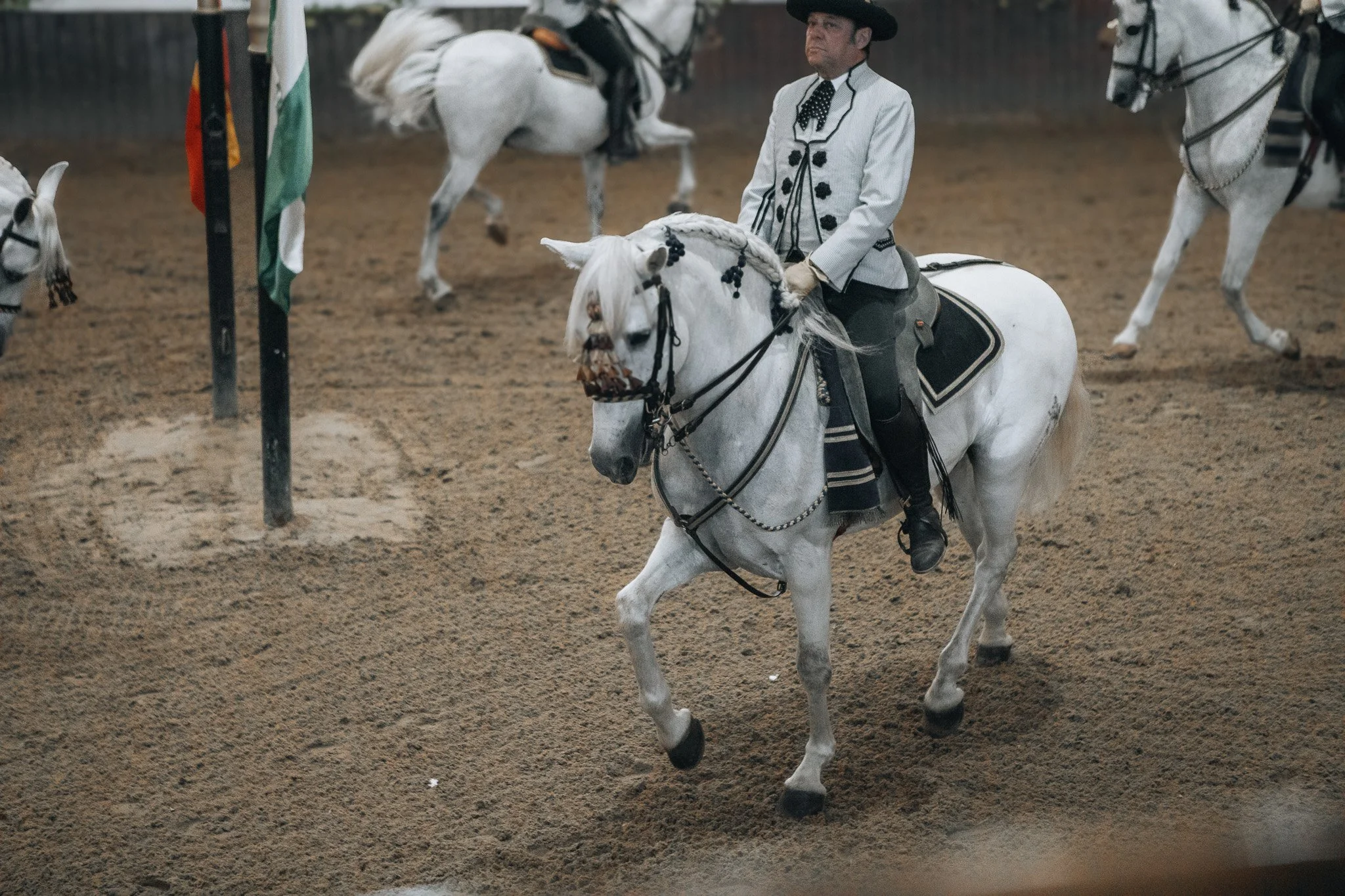
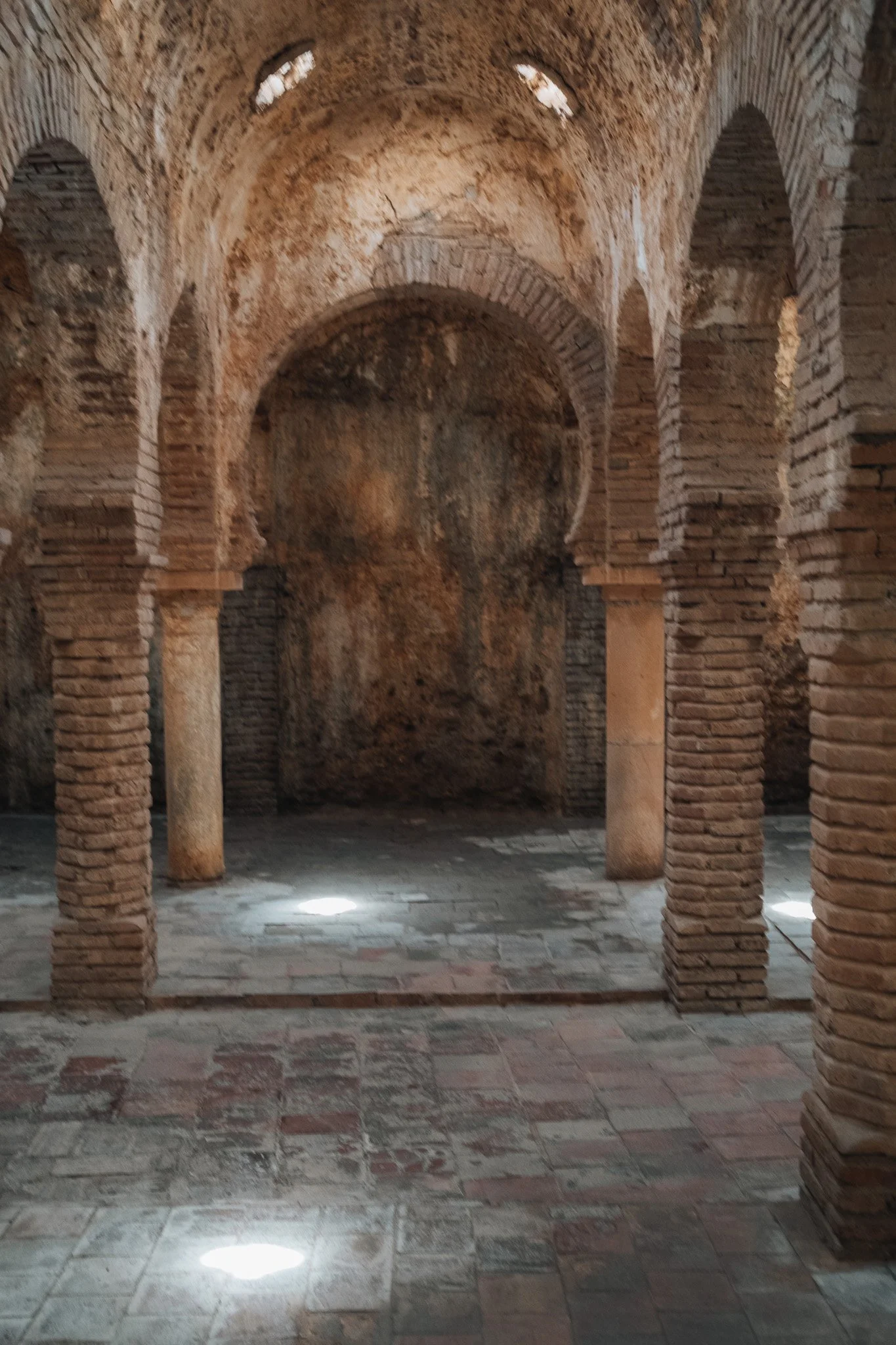
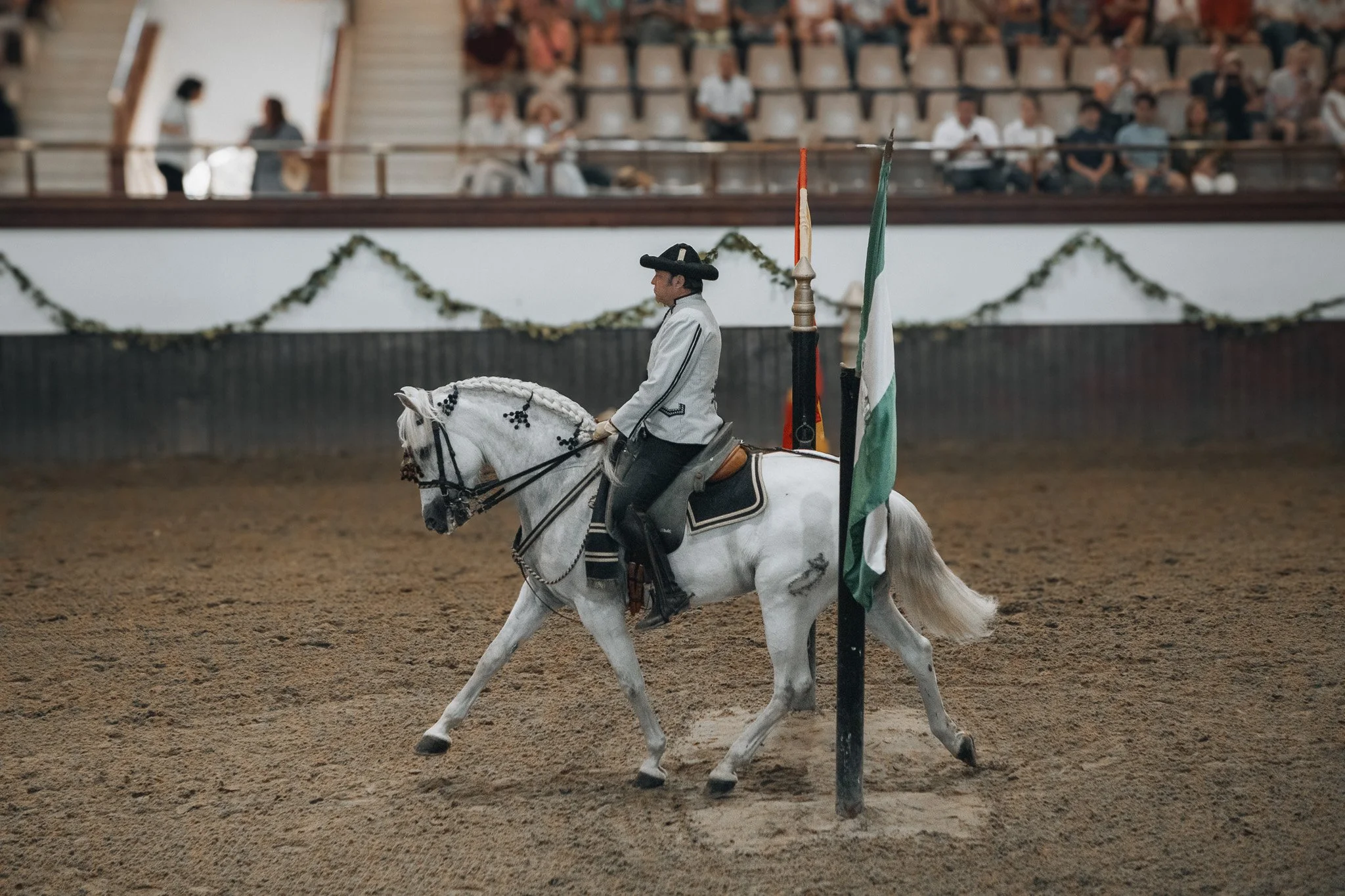
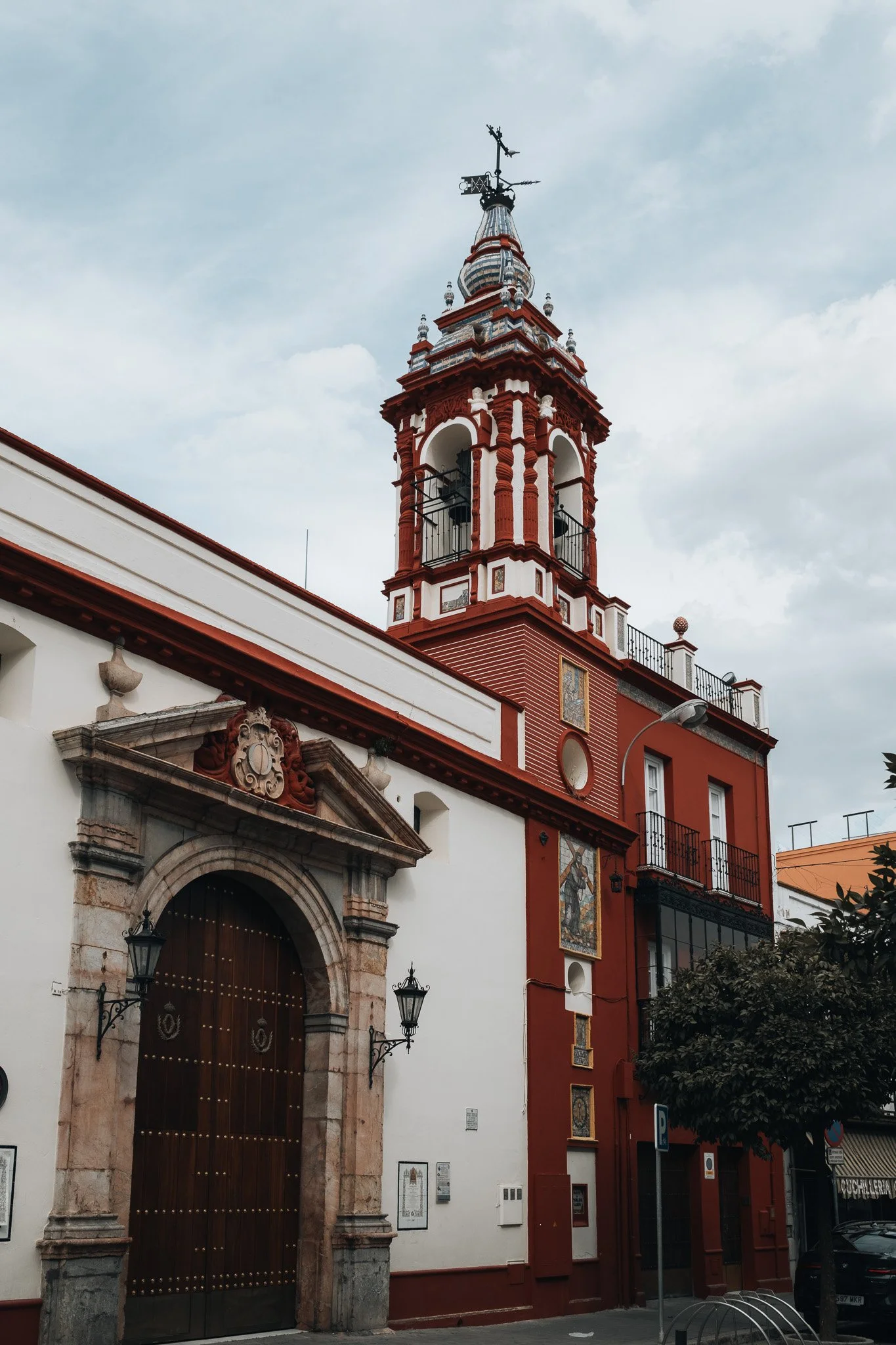
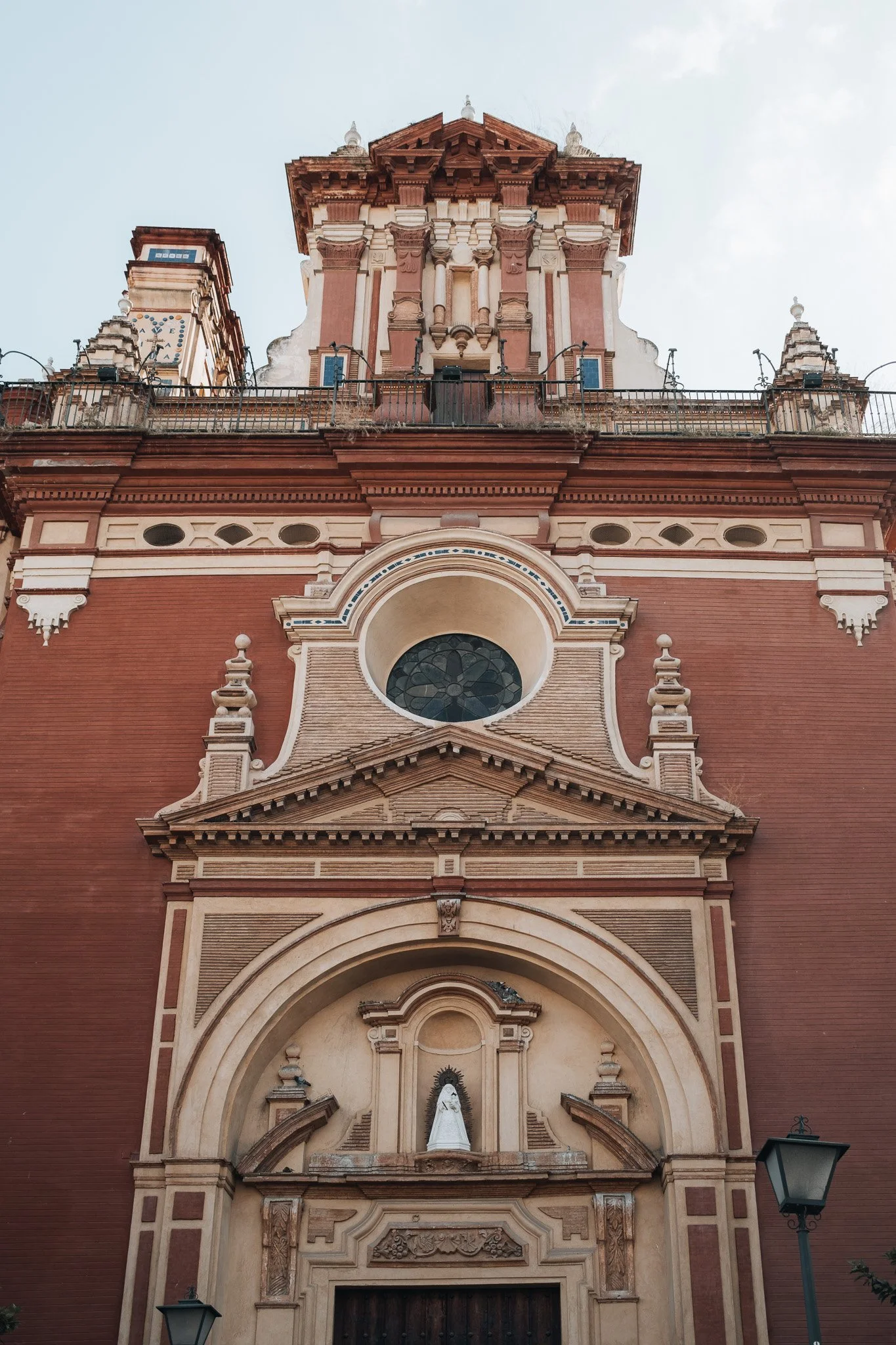
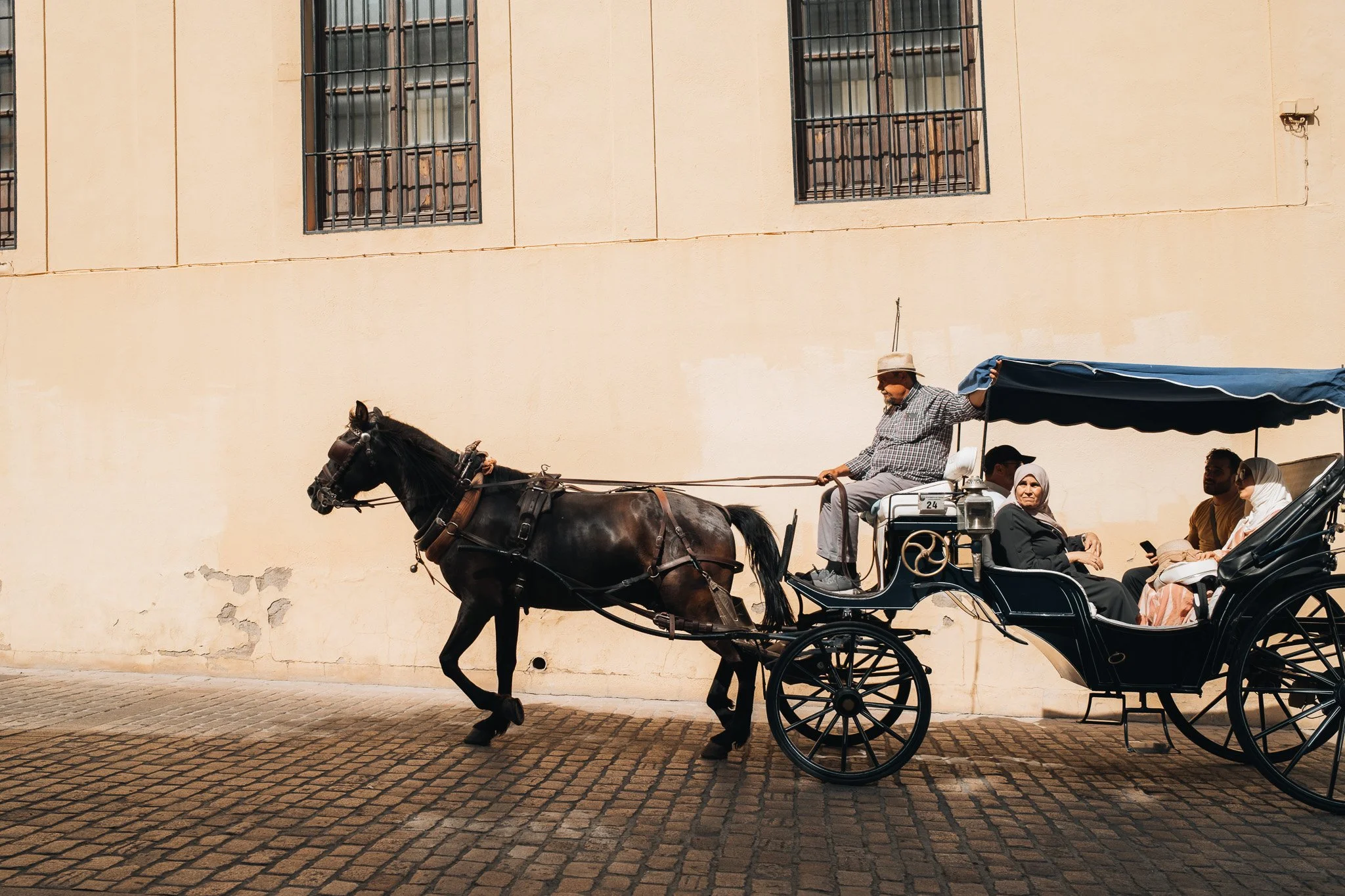
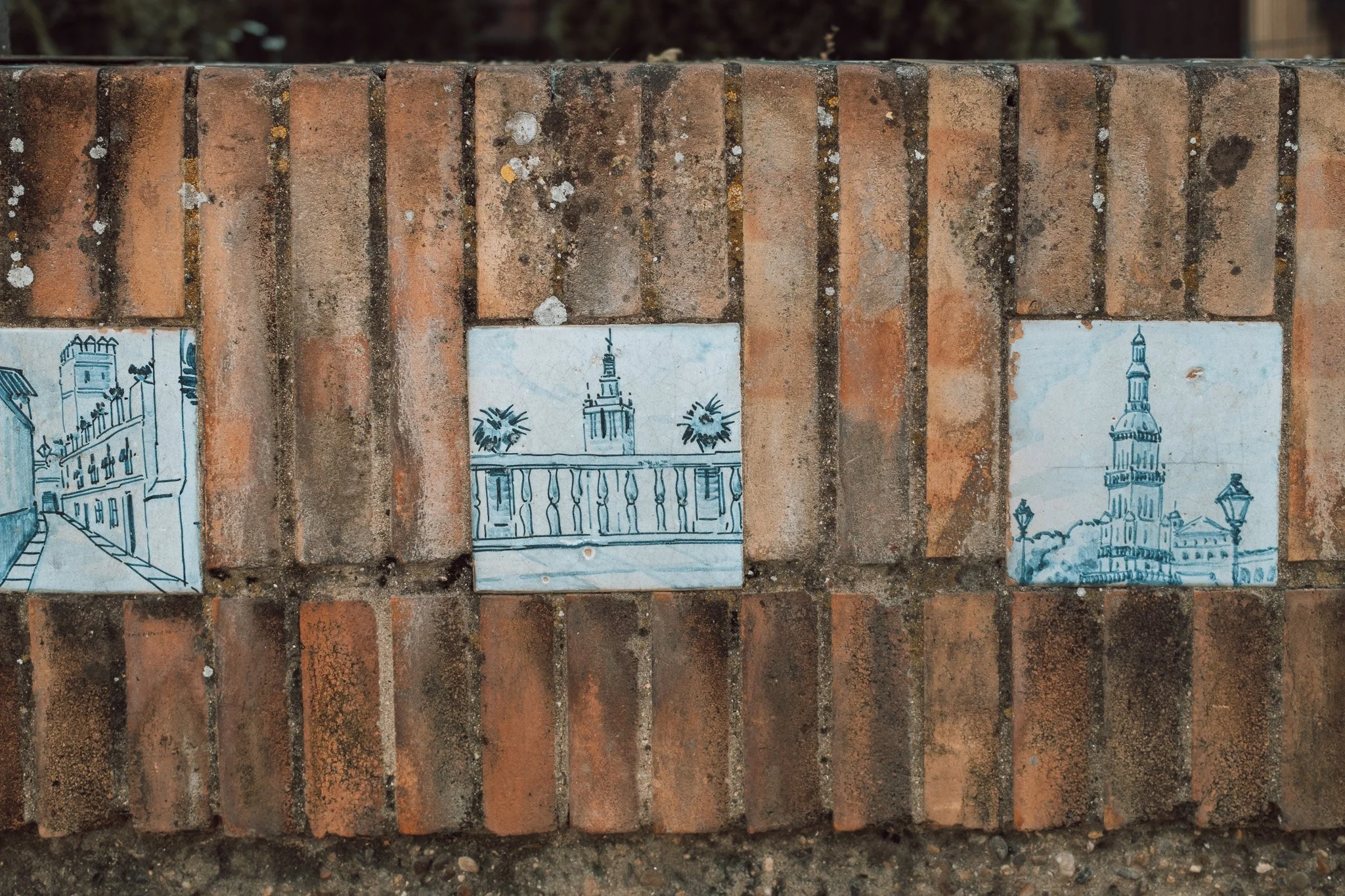
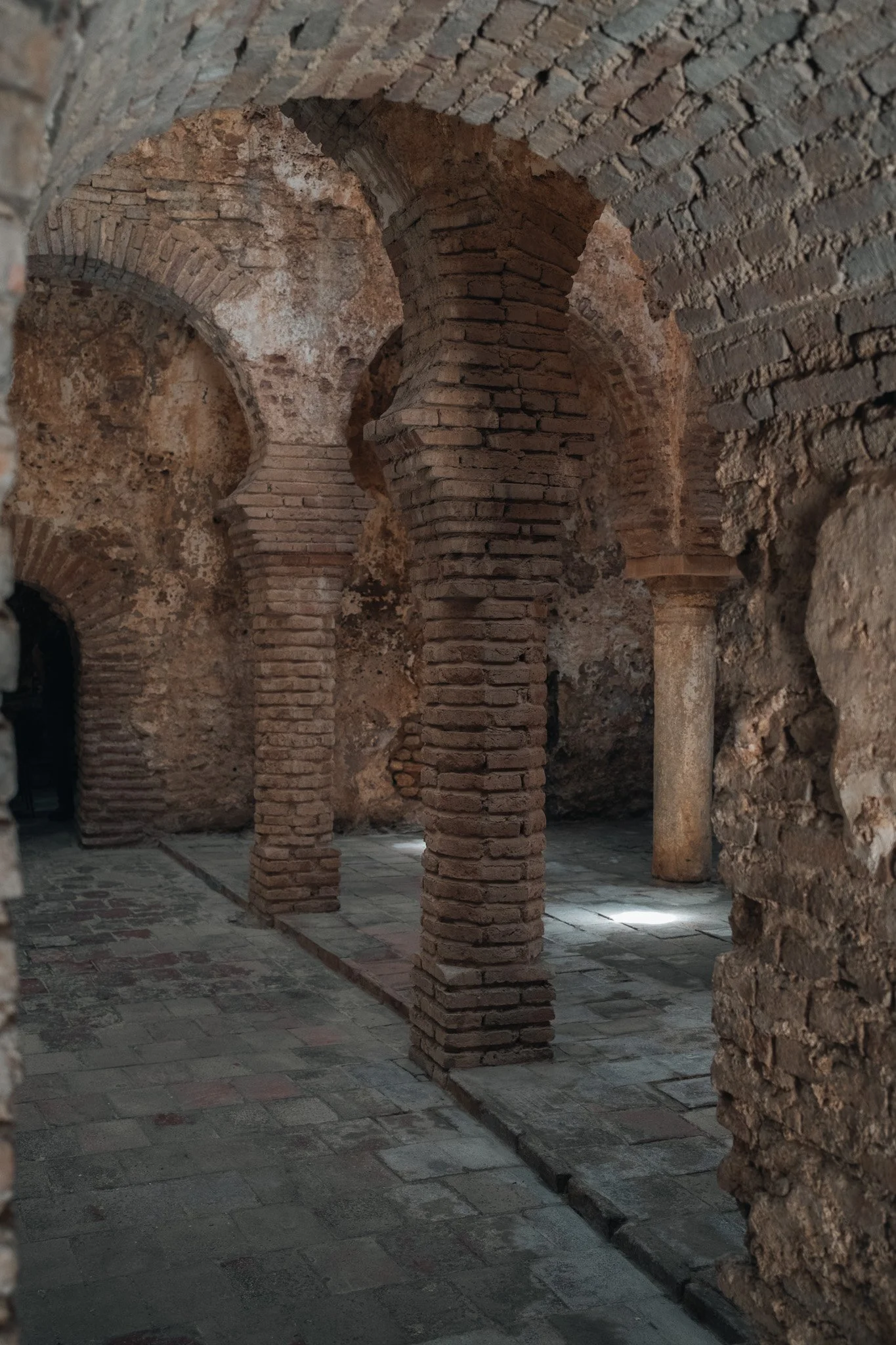
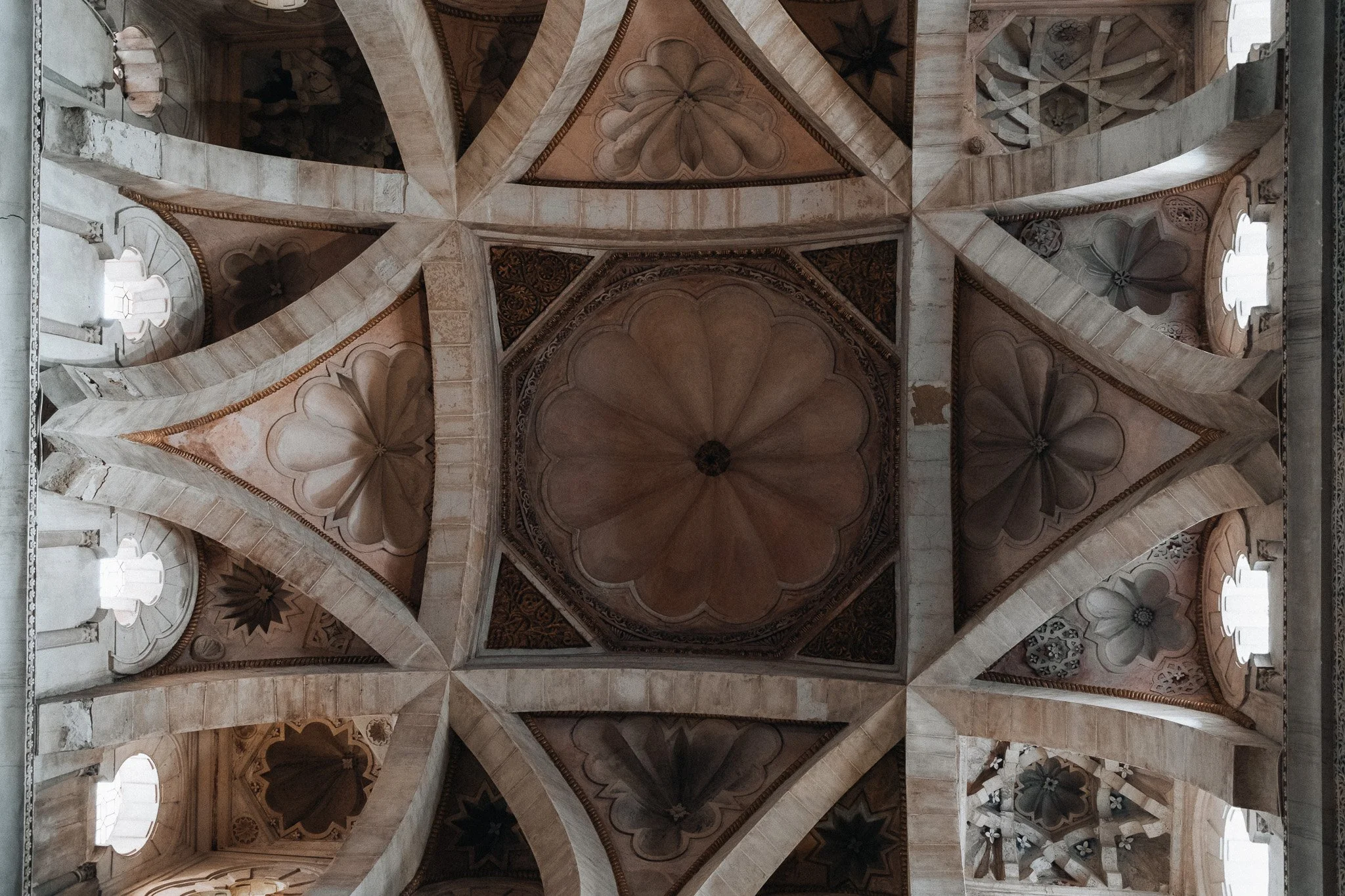
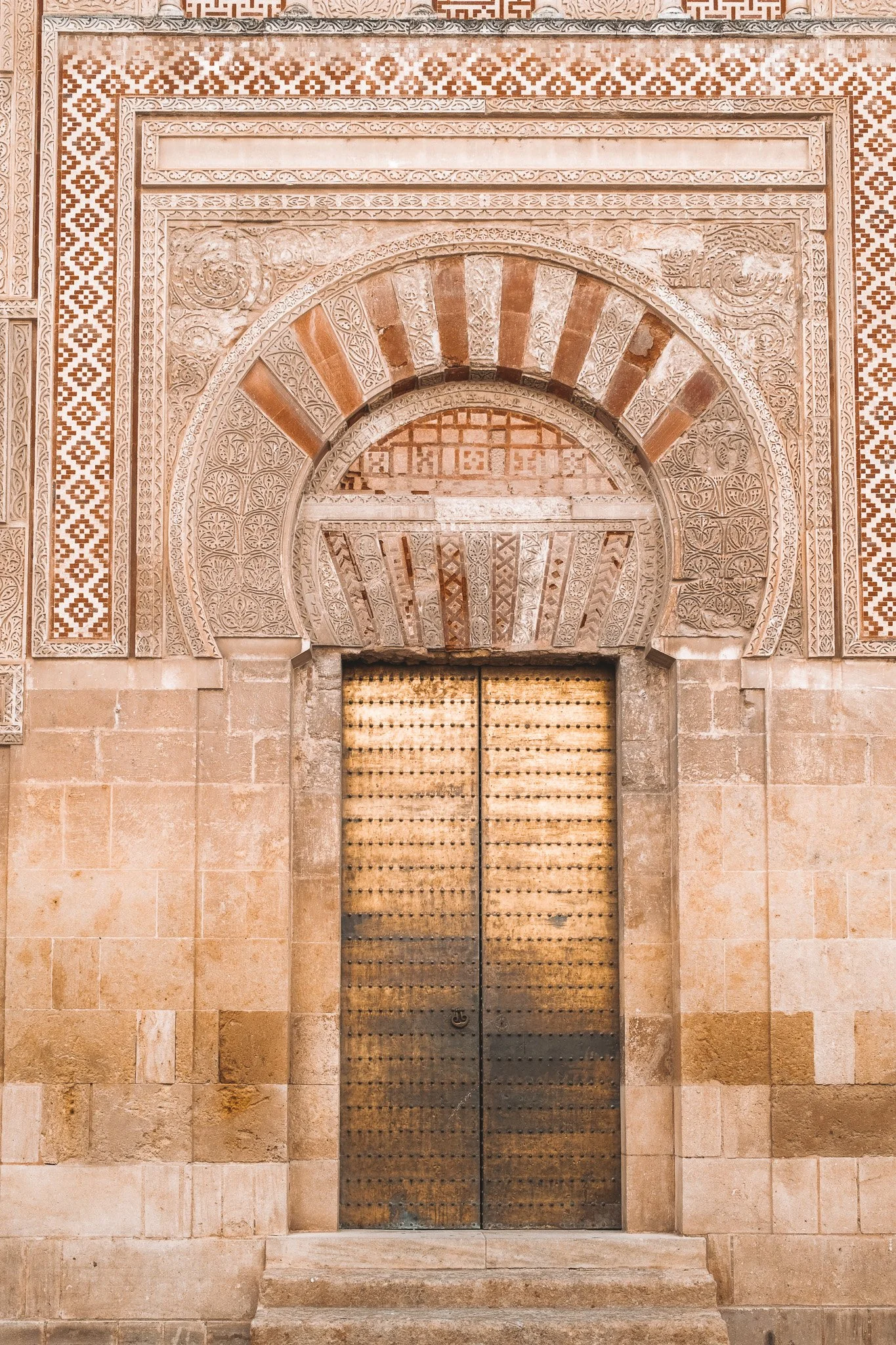
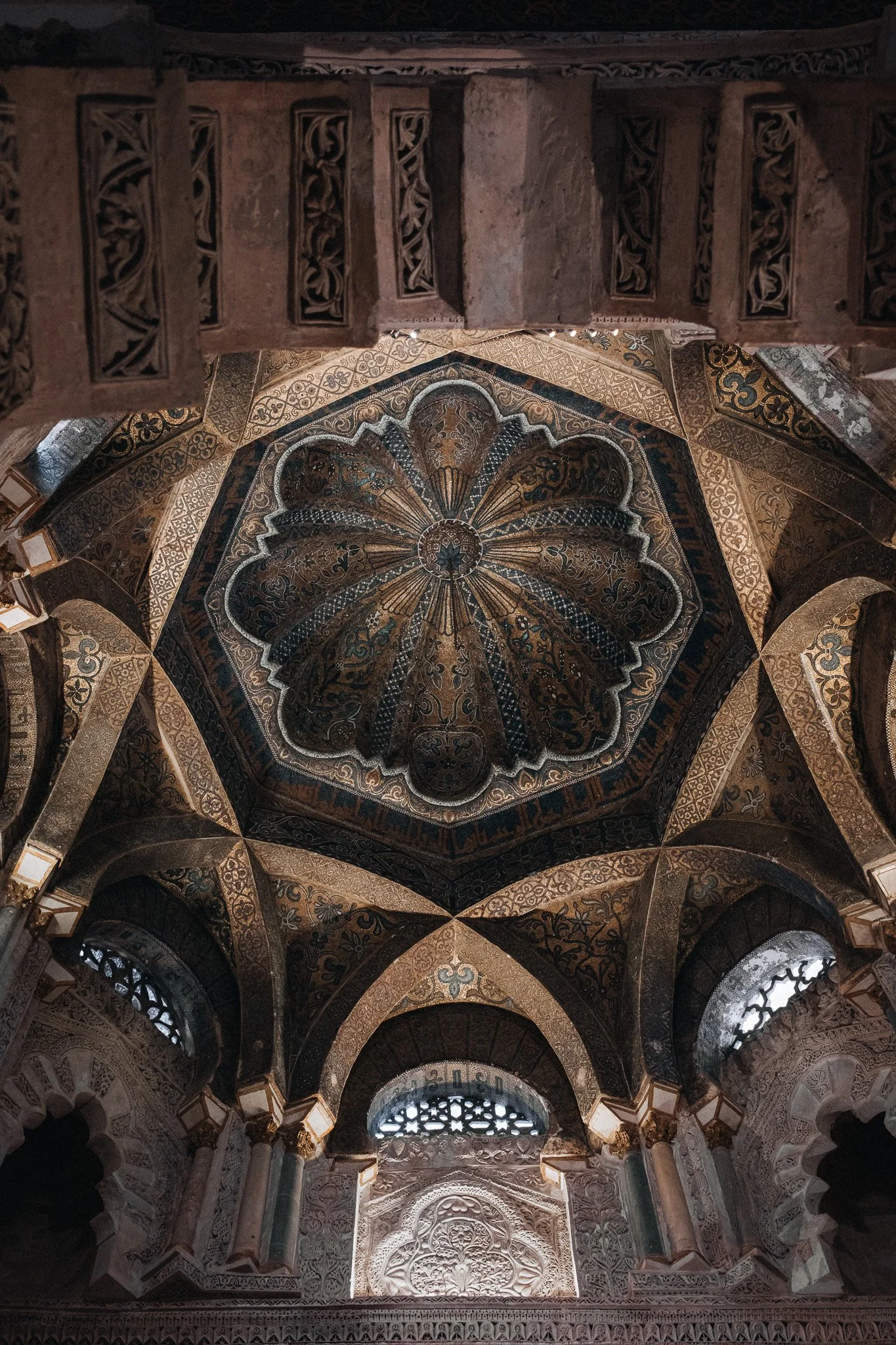
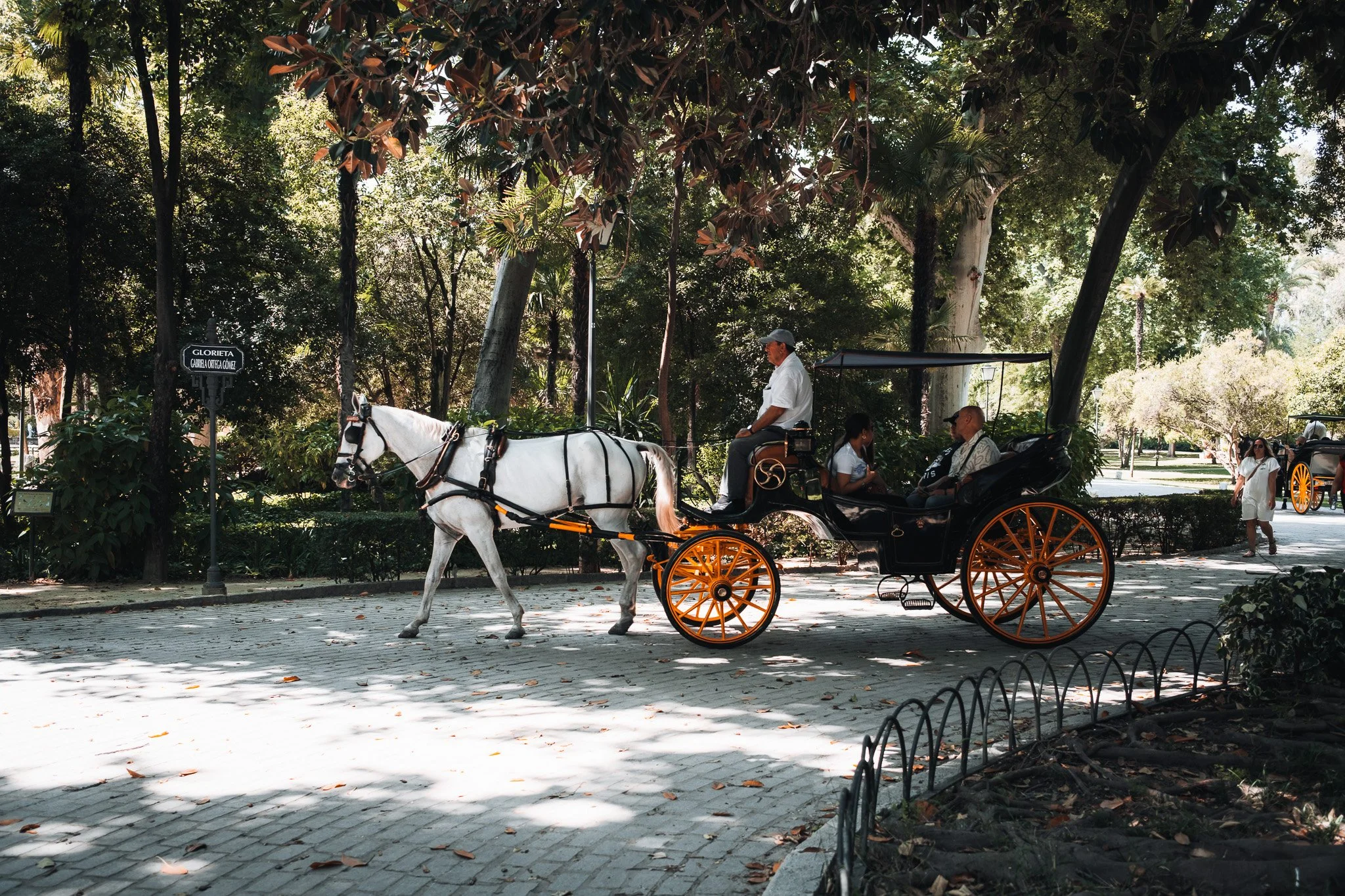
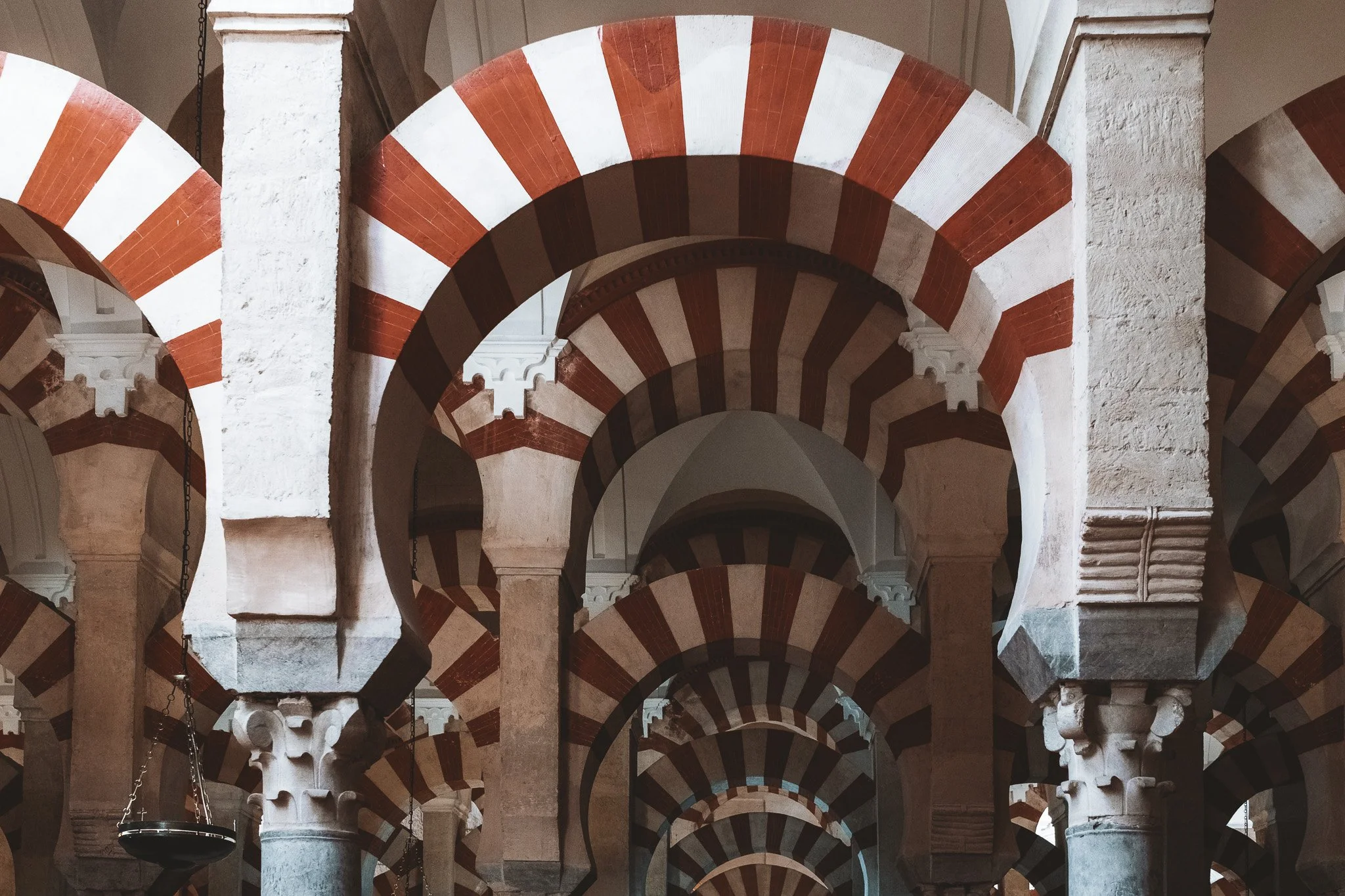
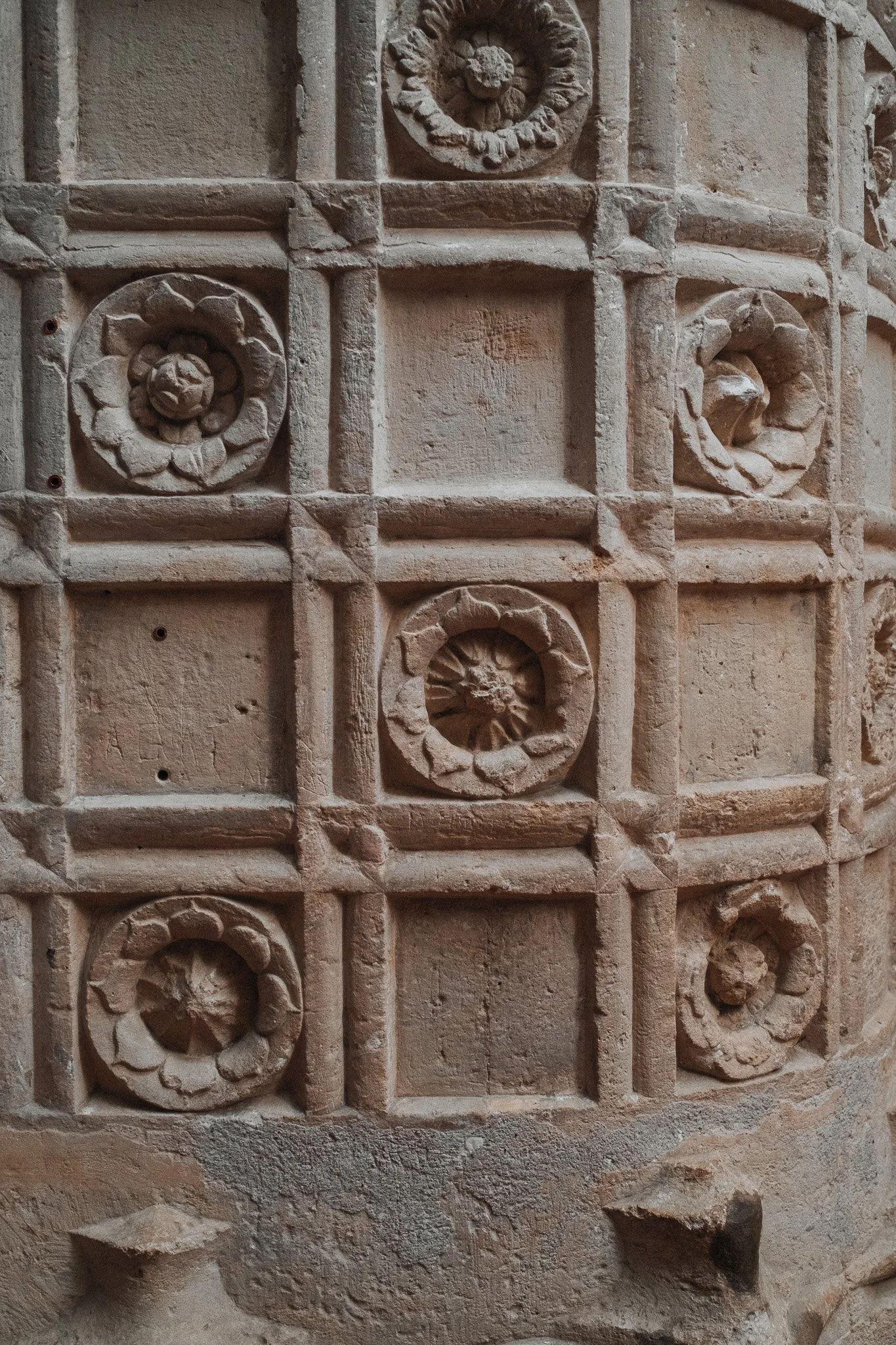
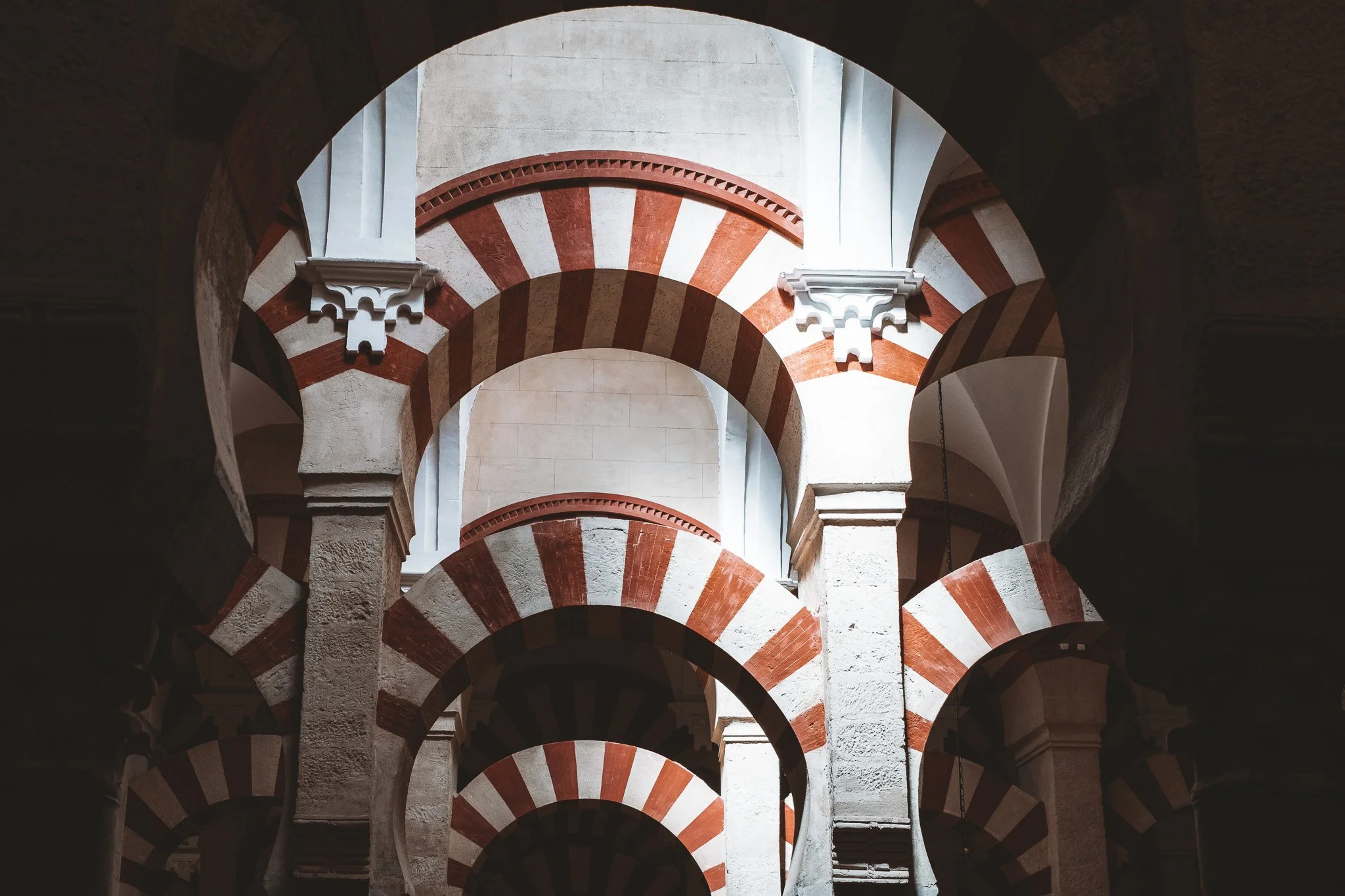
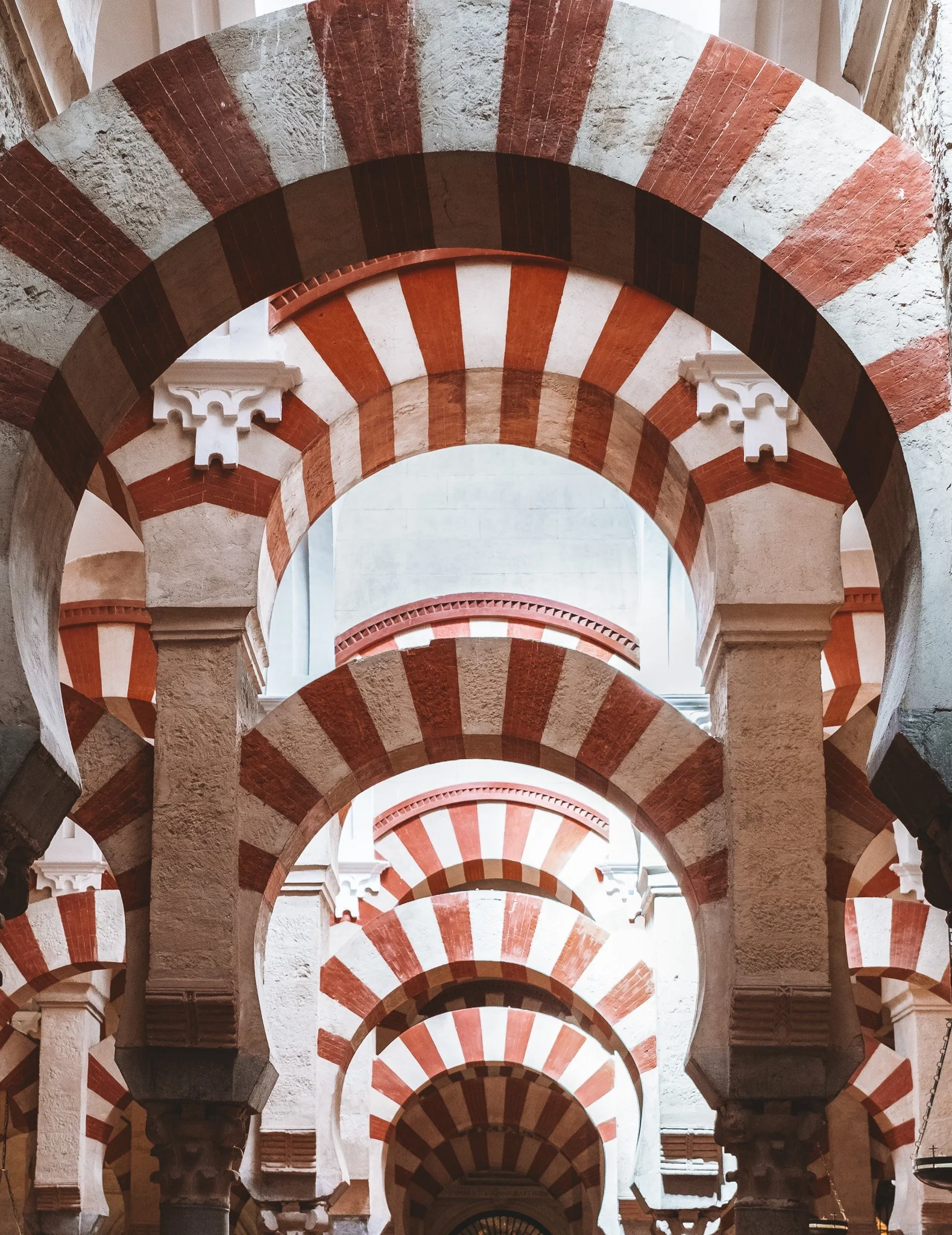
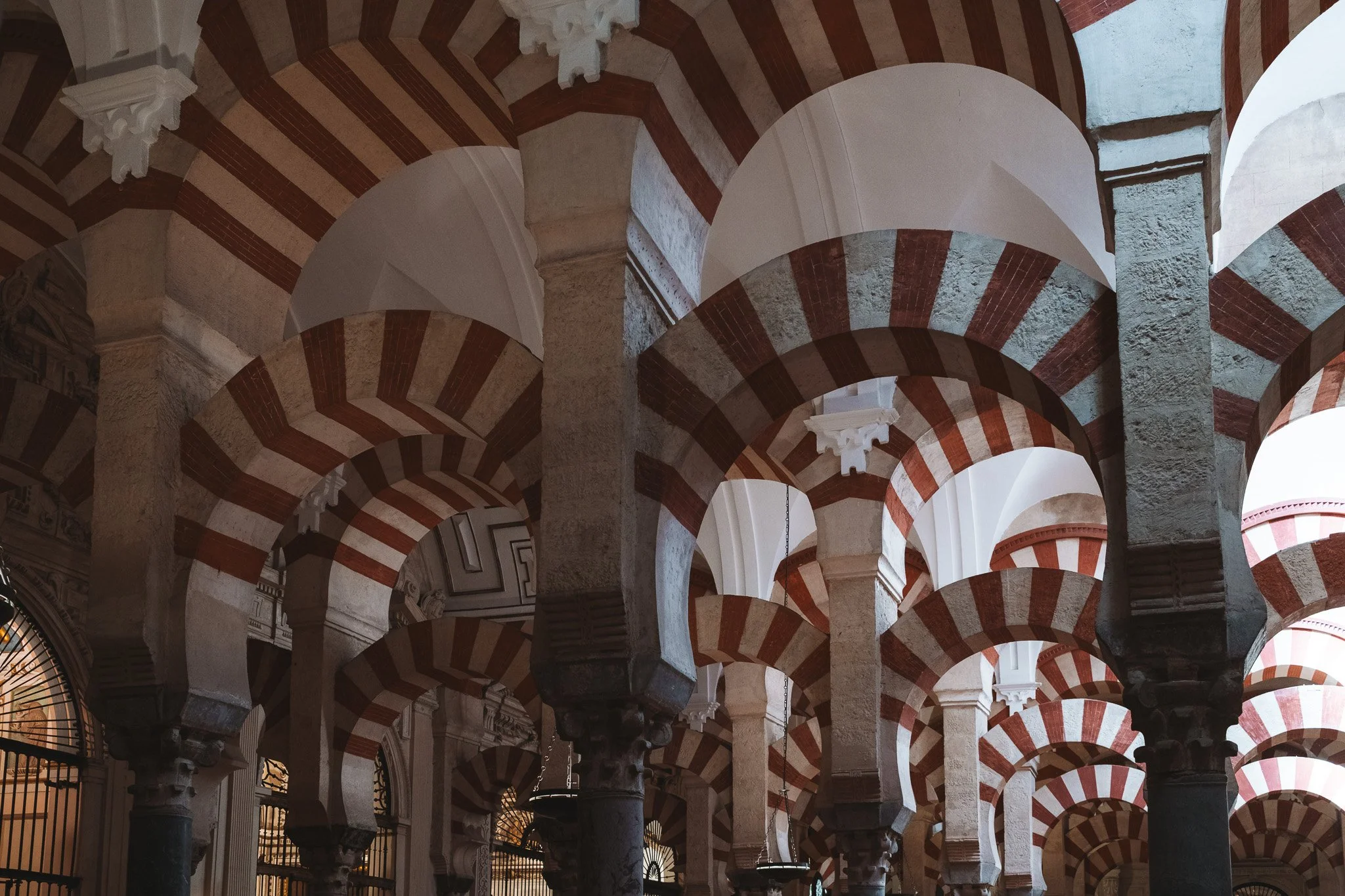
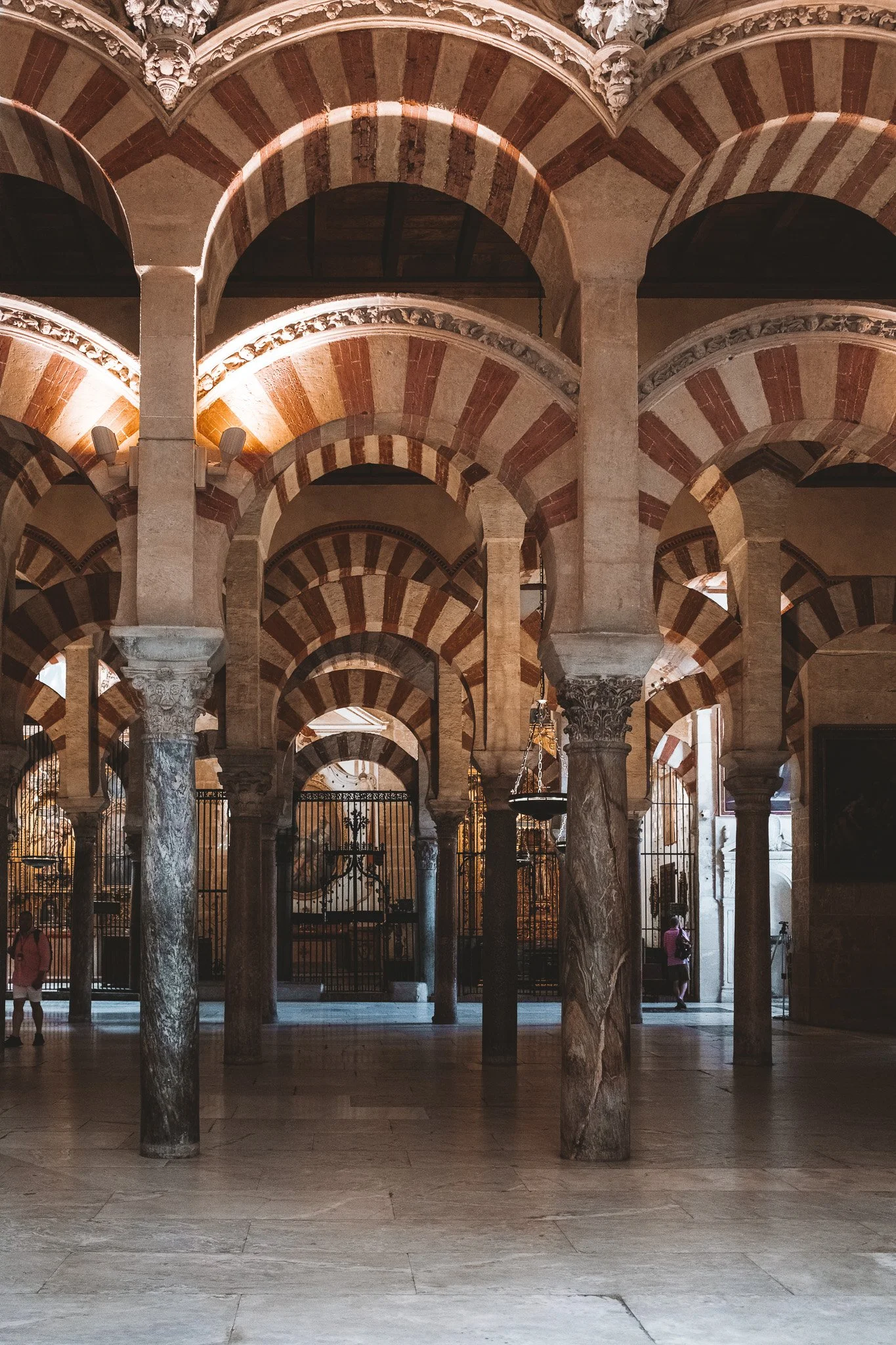
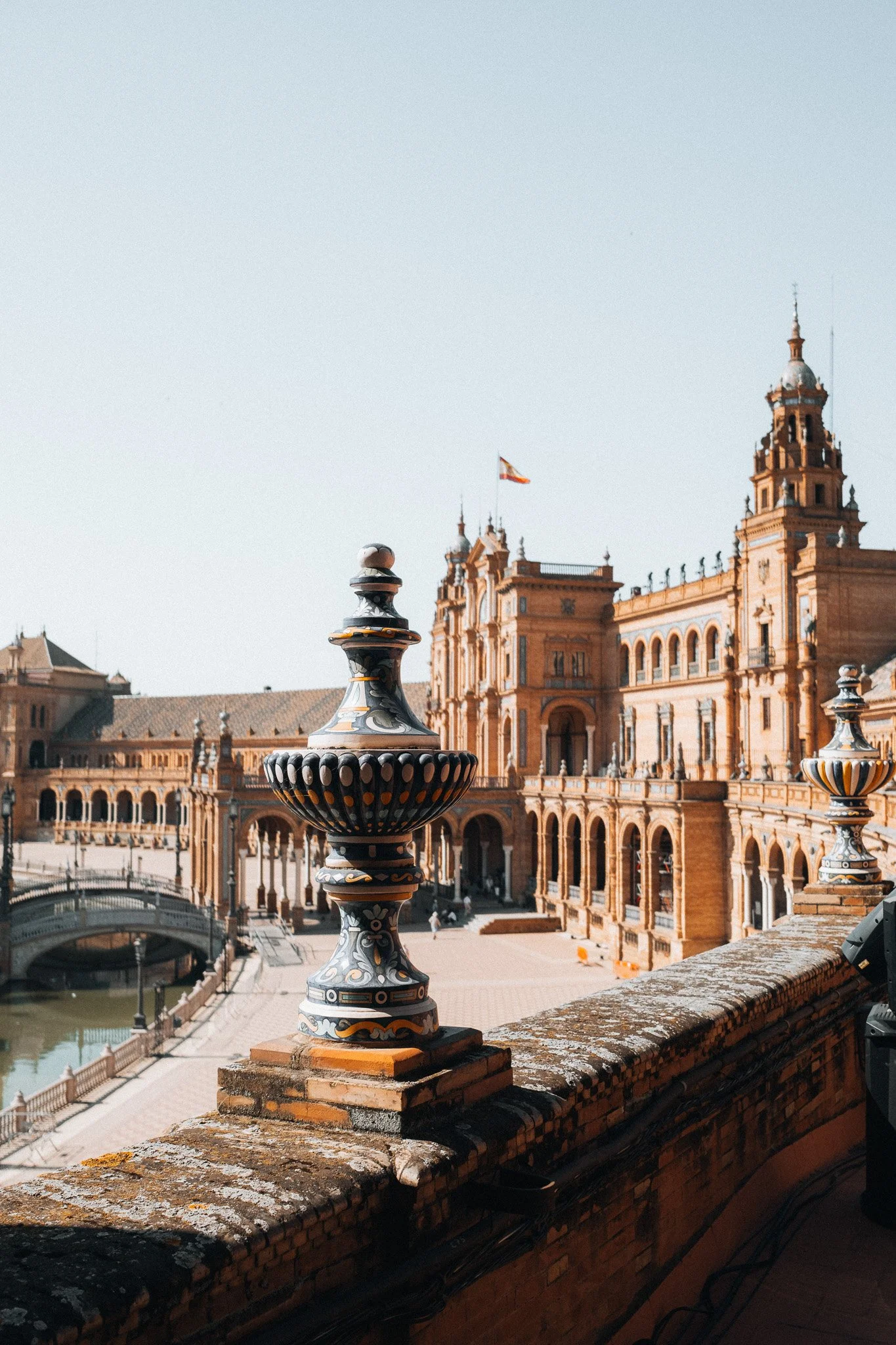
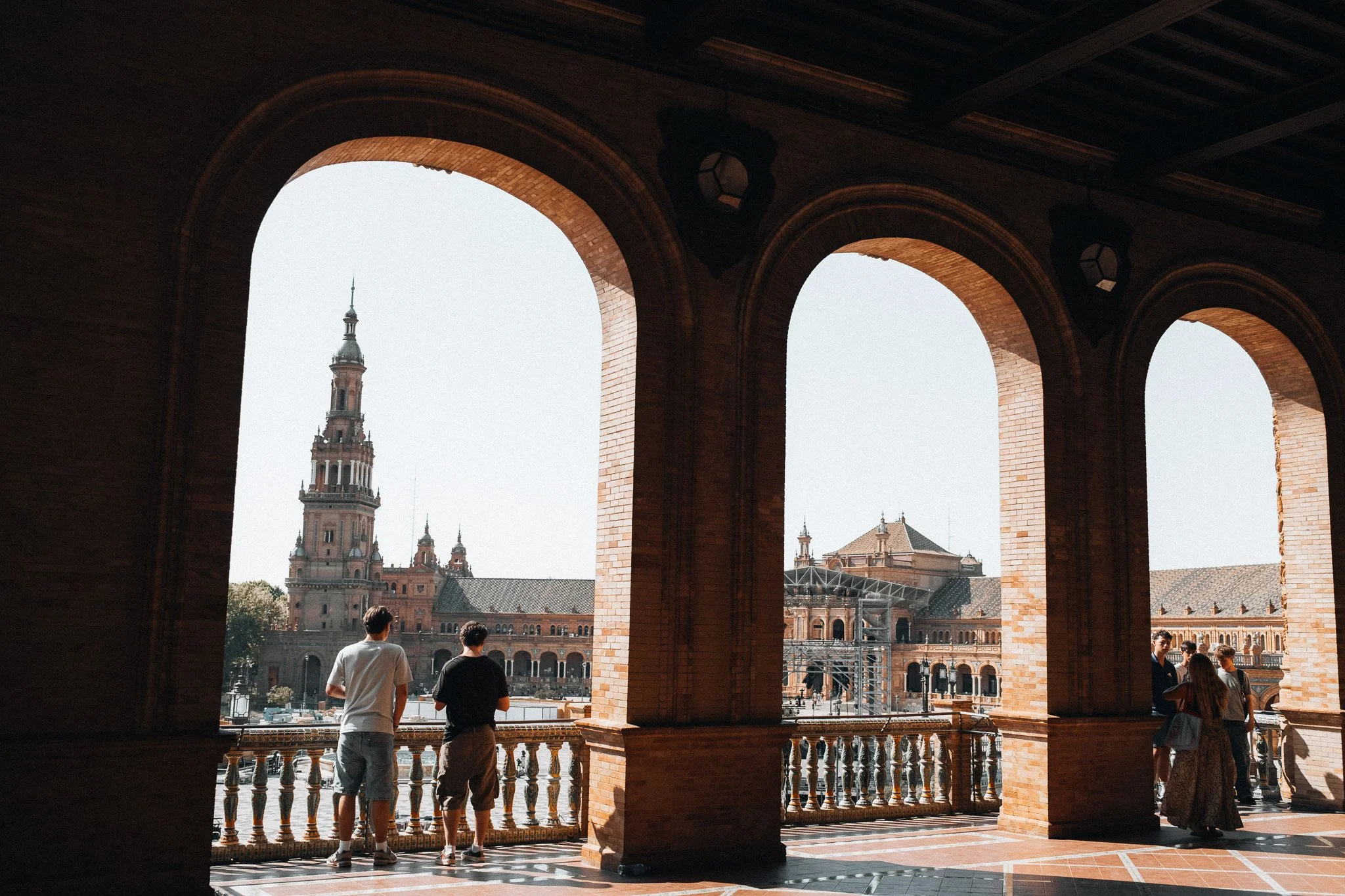
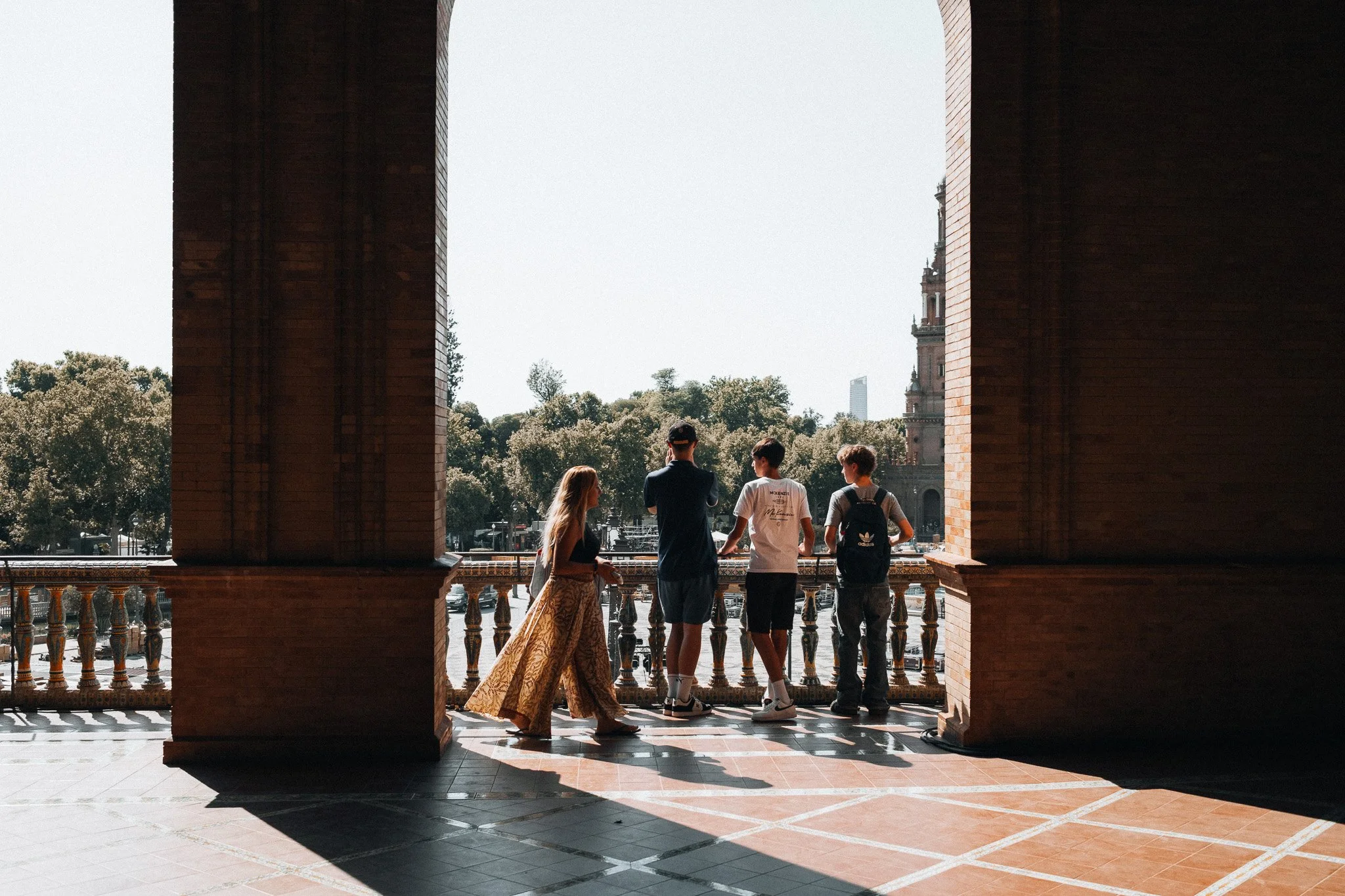
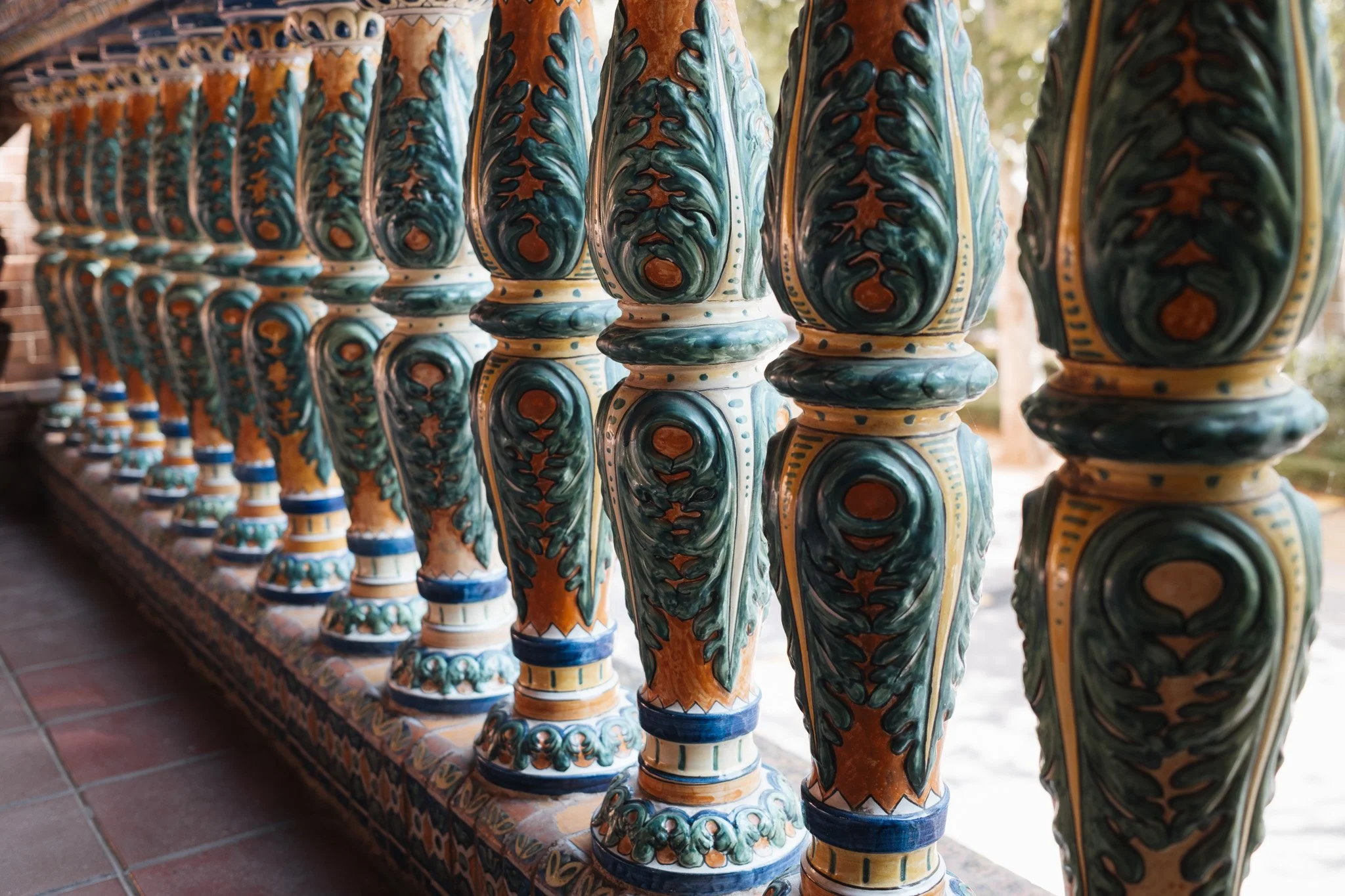
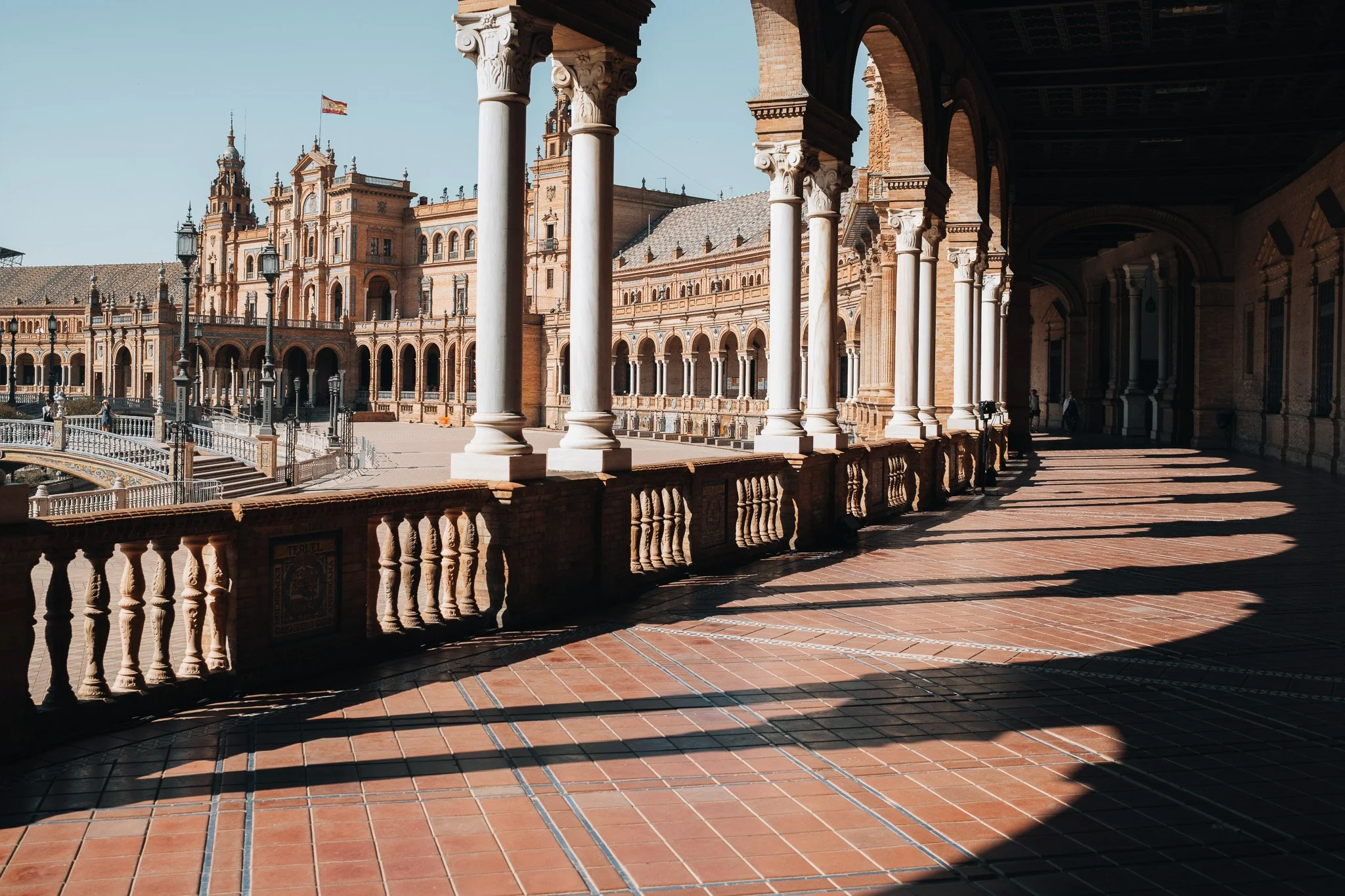
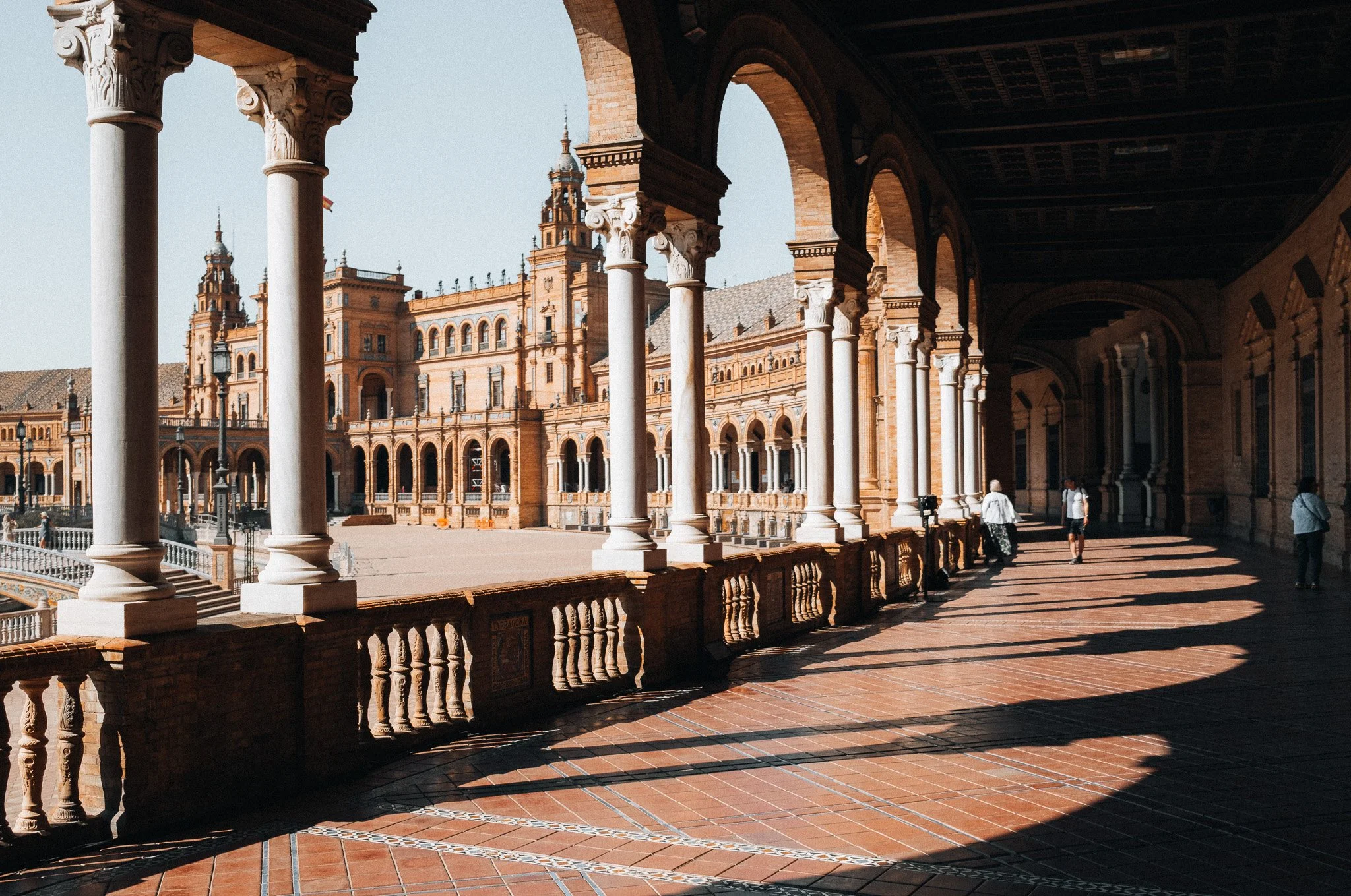
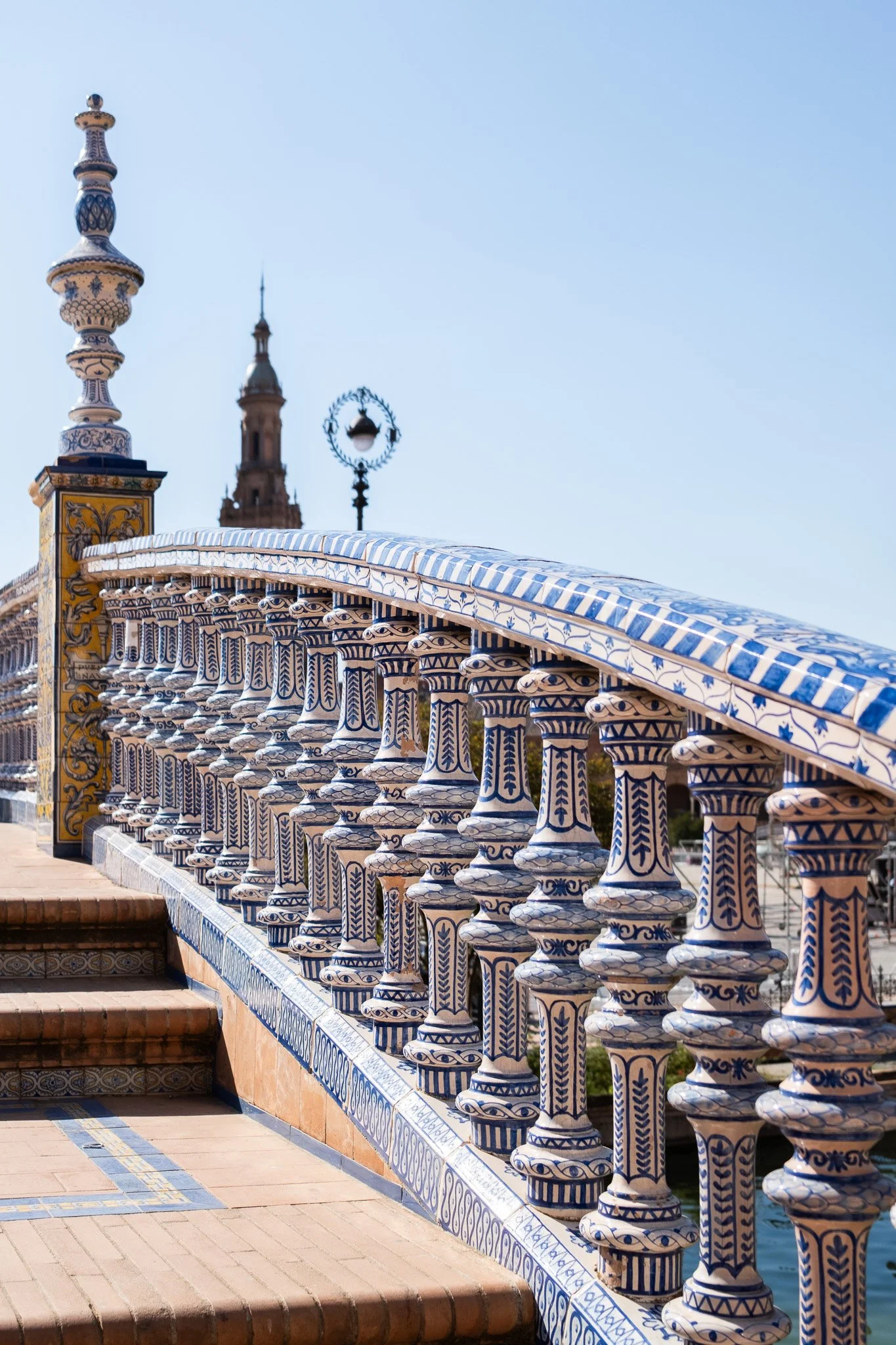
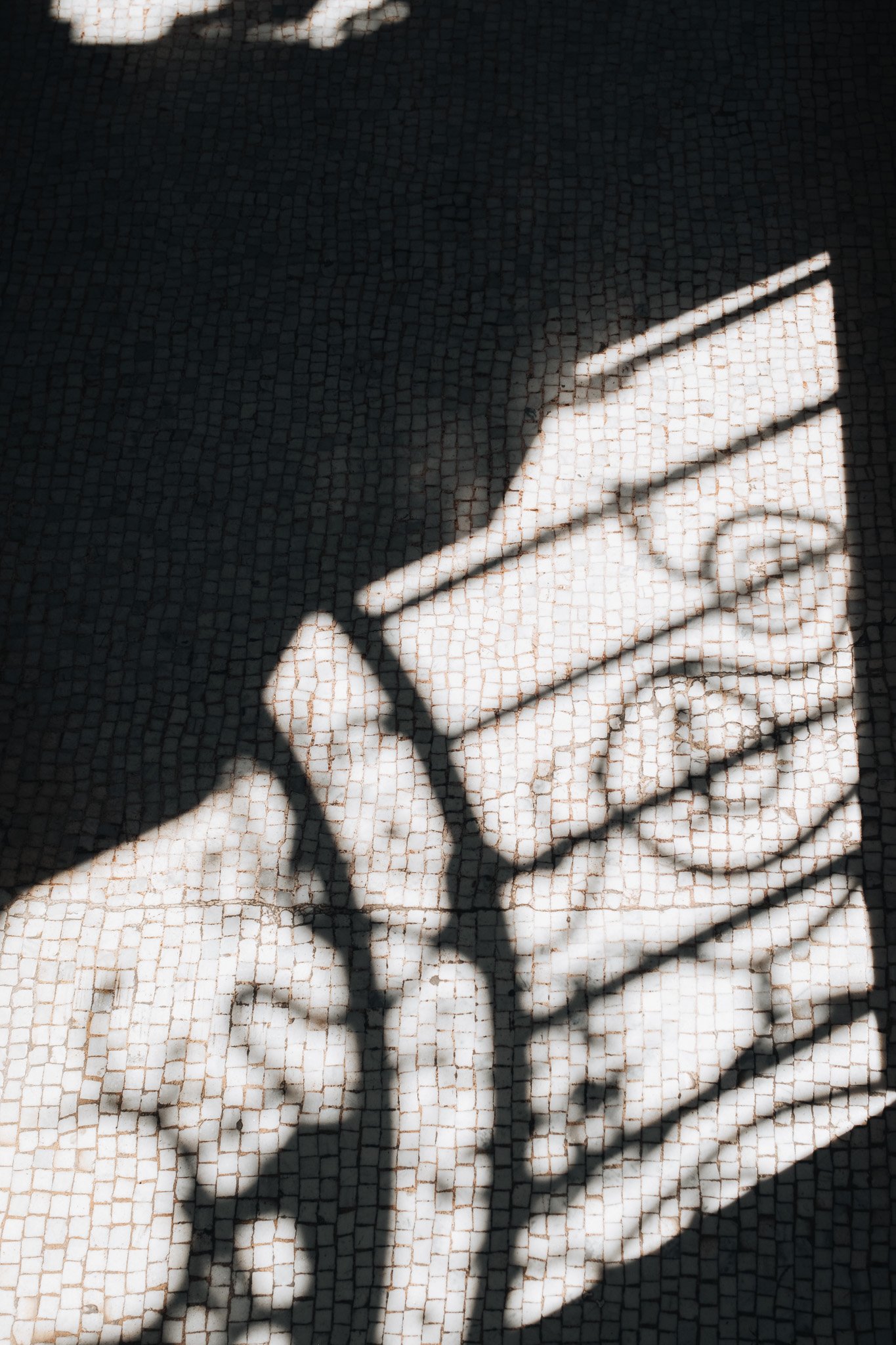
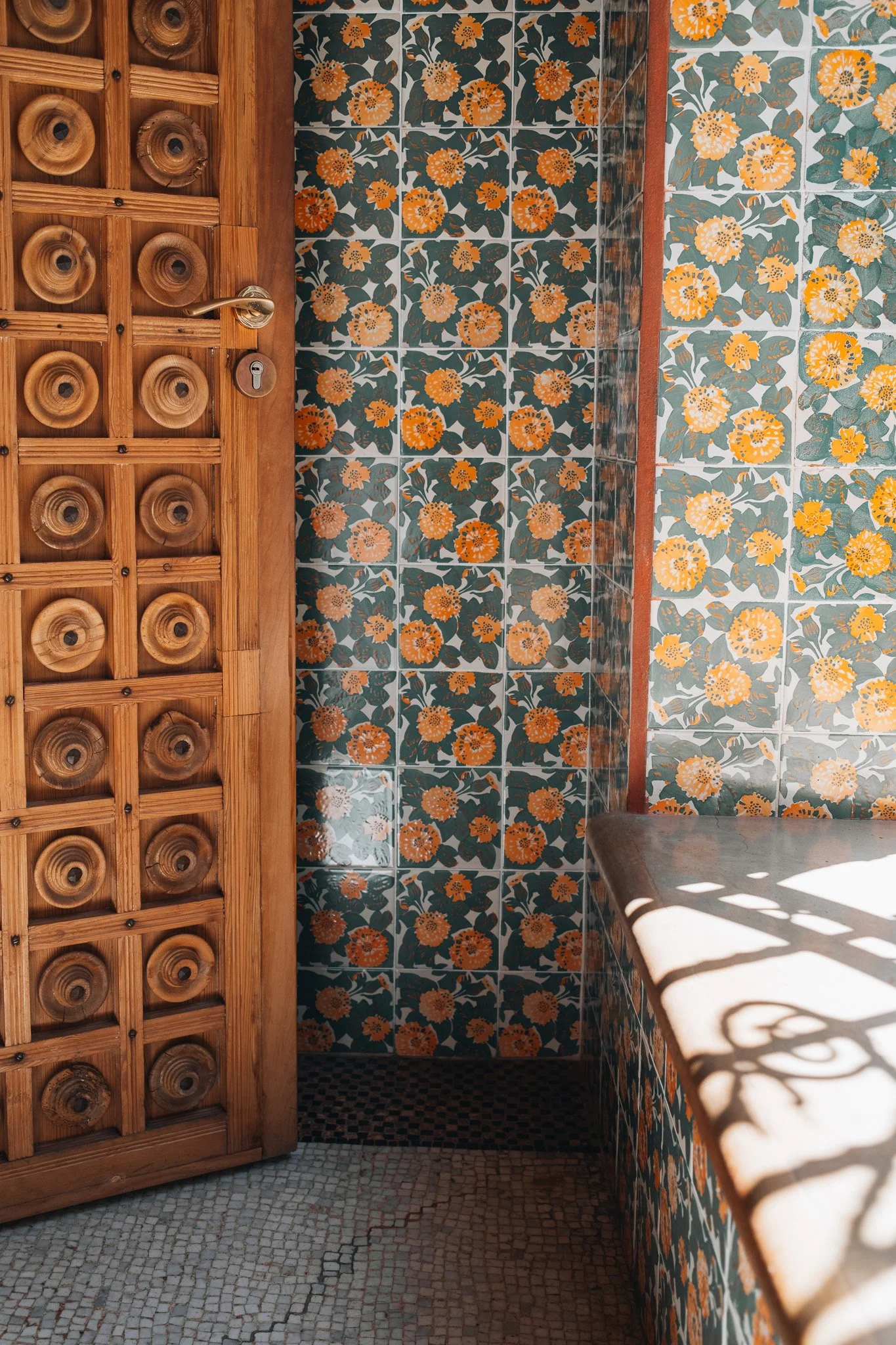
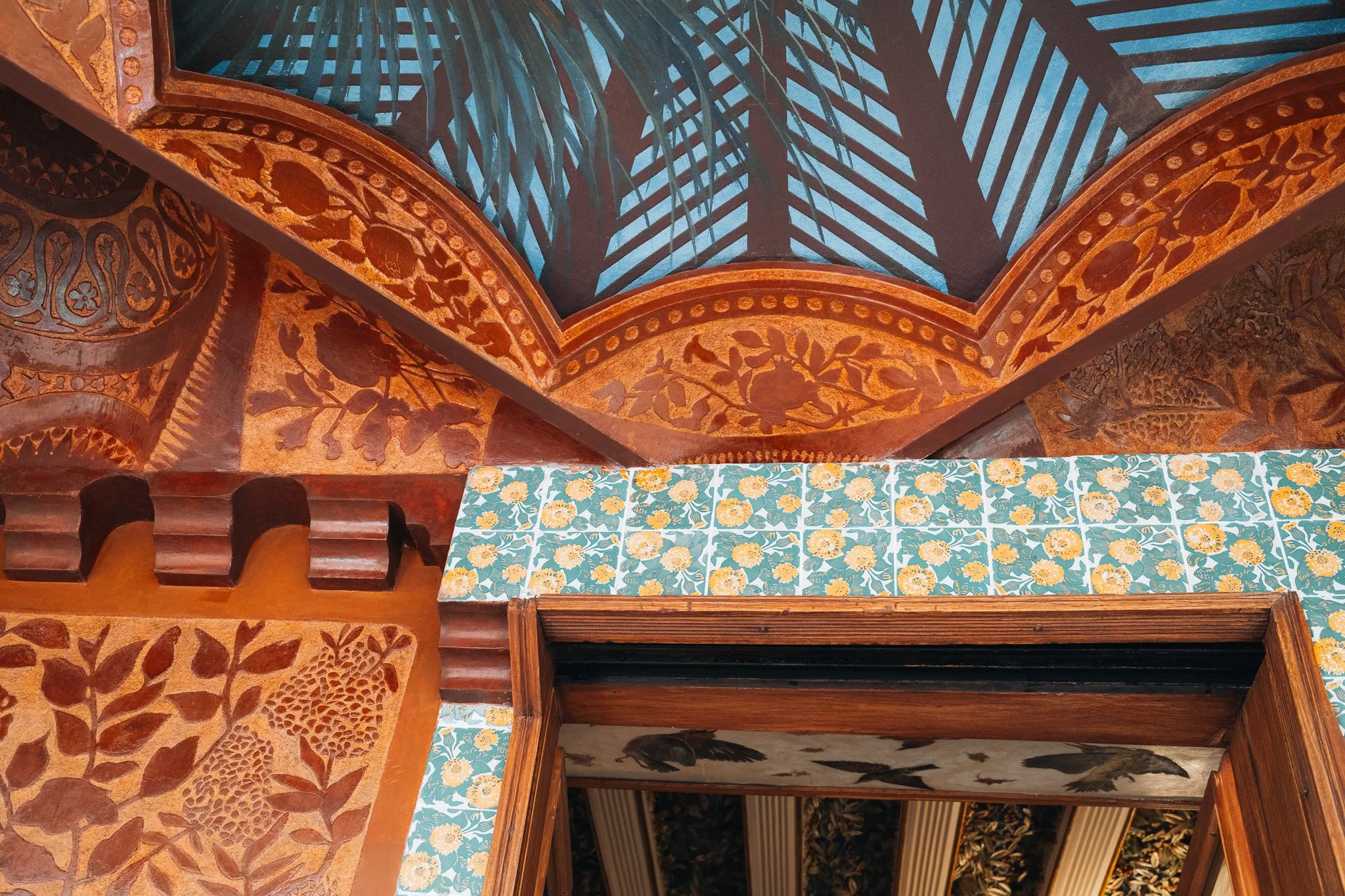
In Córdoba, I stood beneath the arches of the Mezquita, where shadows and sunlight played across ancient stone, and Islamic artistry merged with Catholic iconography in quiet defiance of time. Later, in Jerez, I watched the famed Andalusian horses dance—each step precise, almost ceremonial, their riders moving with noble restraint. Even the ceramic tiles seemed to speak, their intricate blues and ochres telling stories older than the cathedrals they adorned.
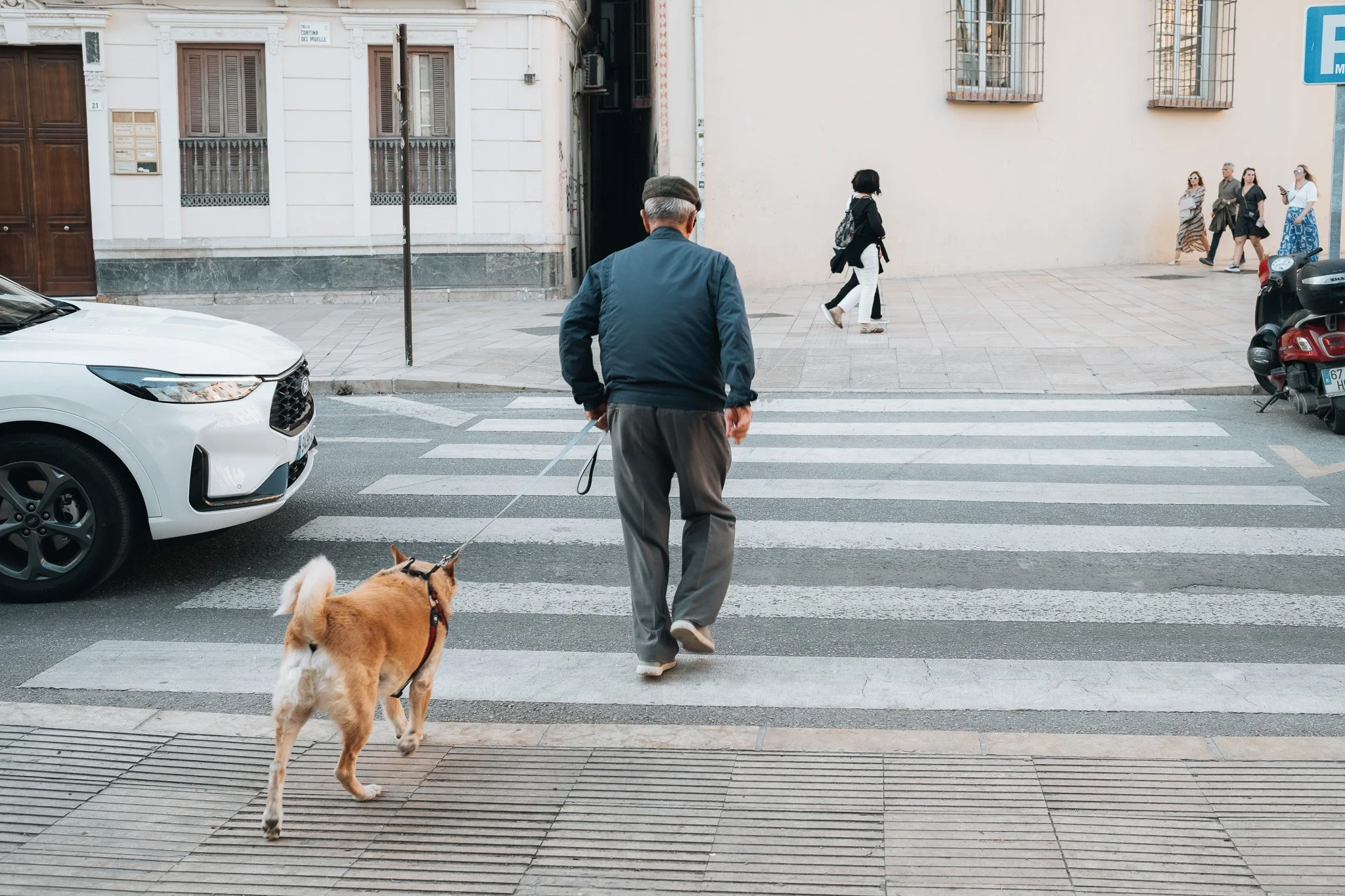
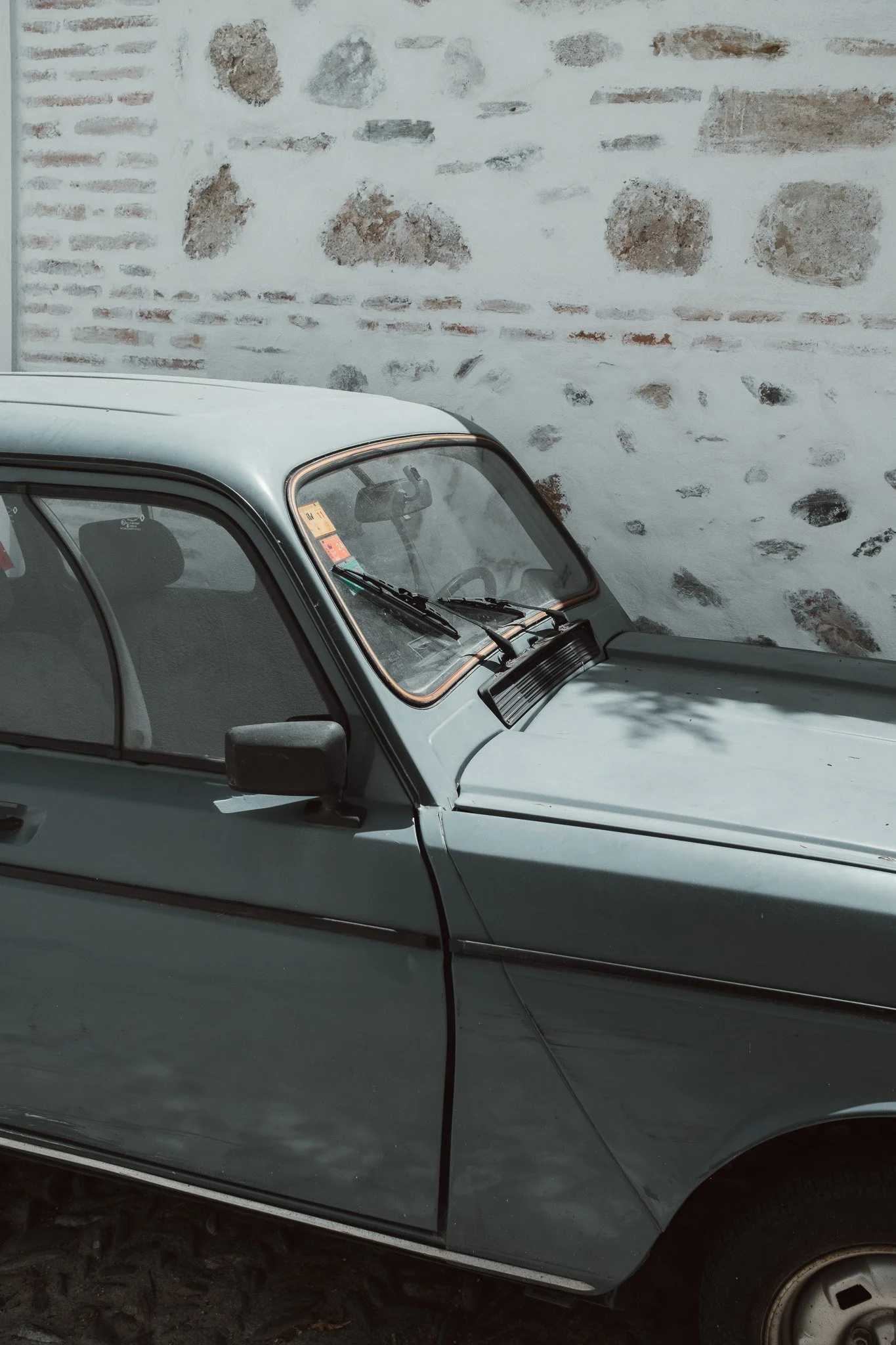
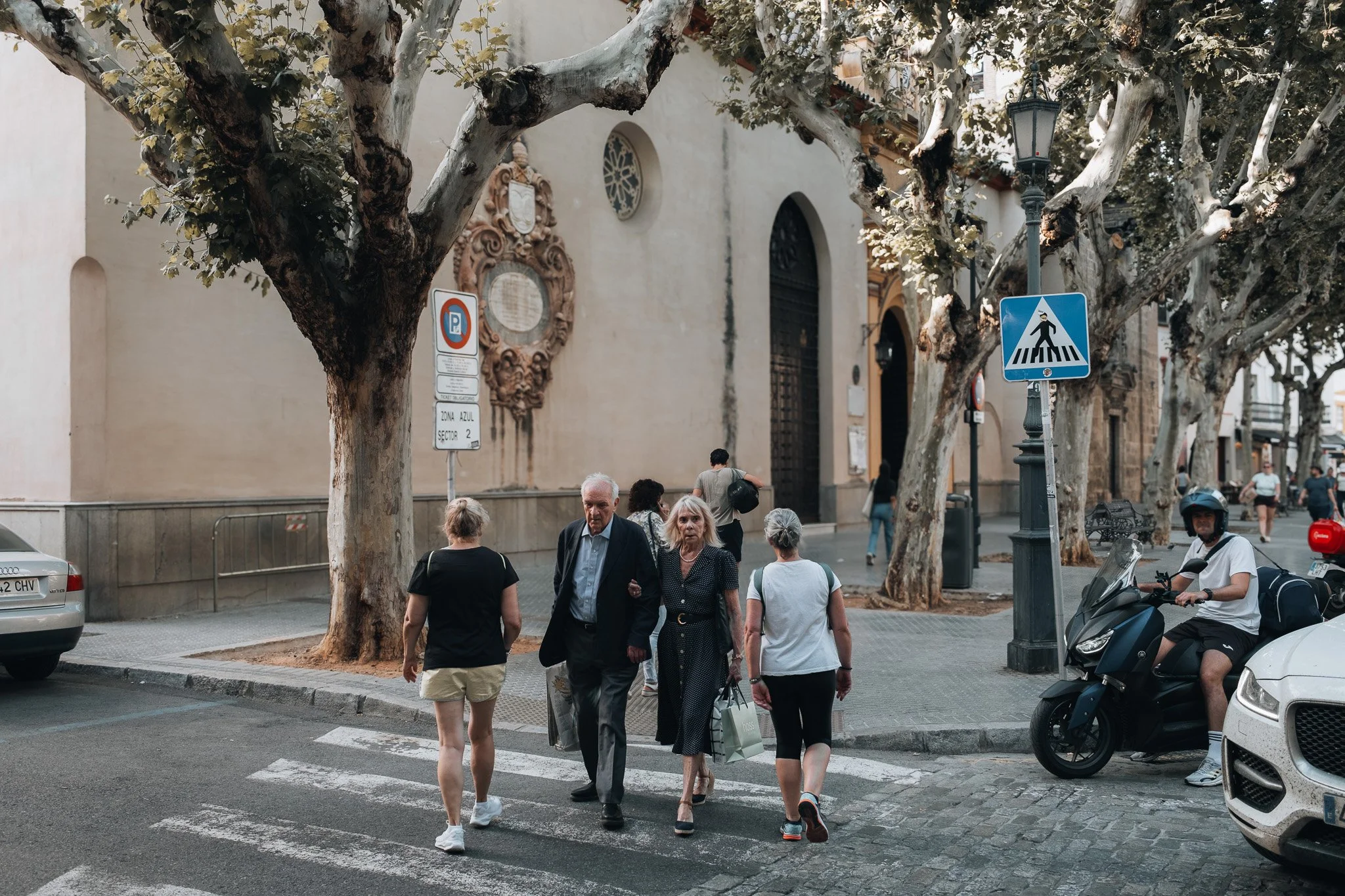
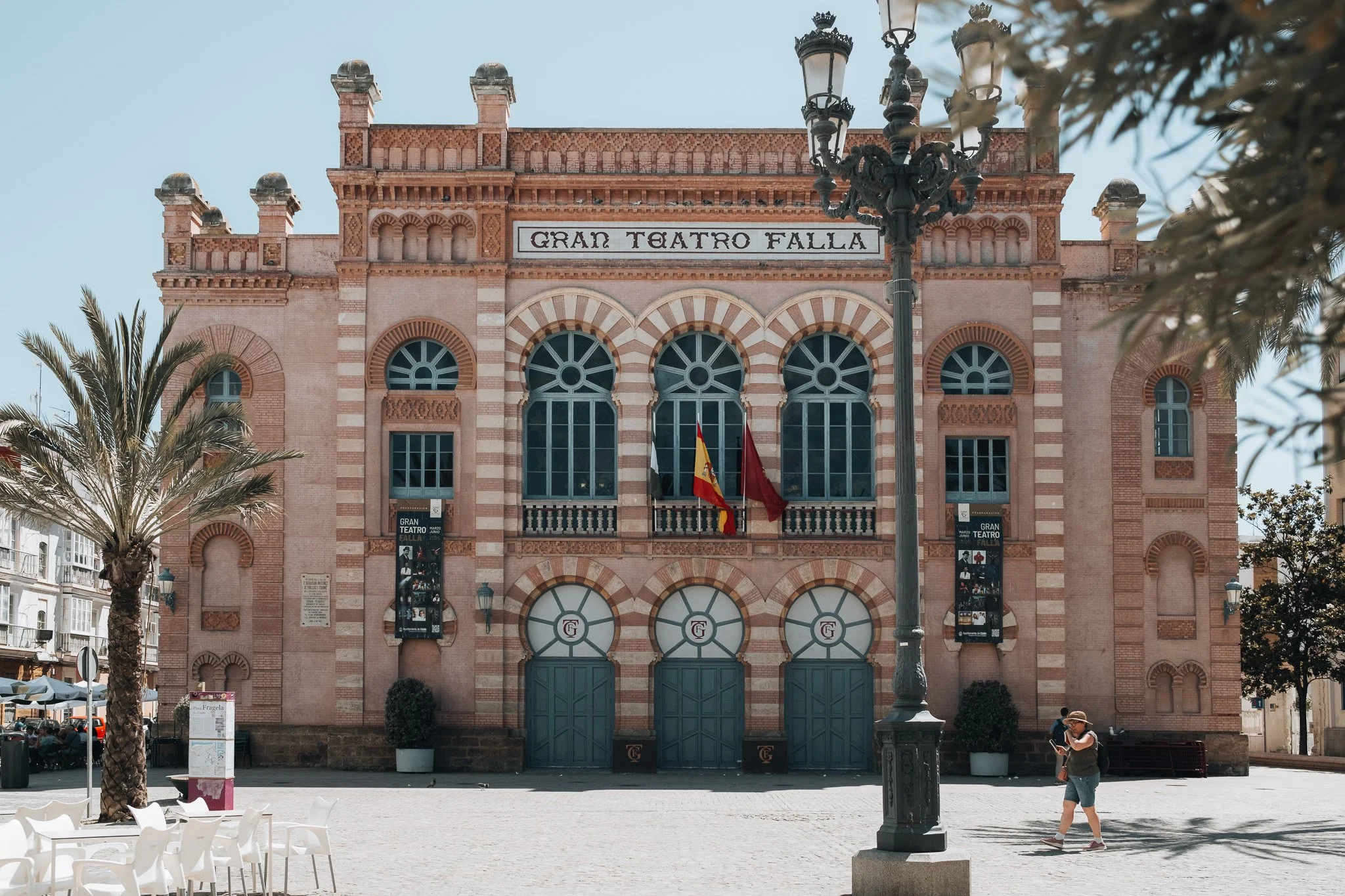
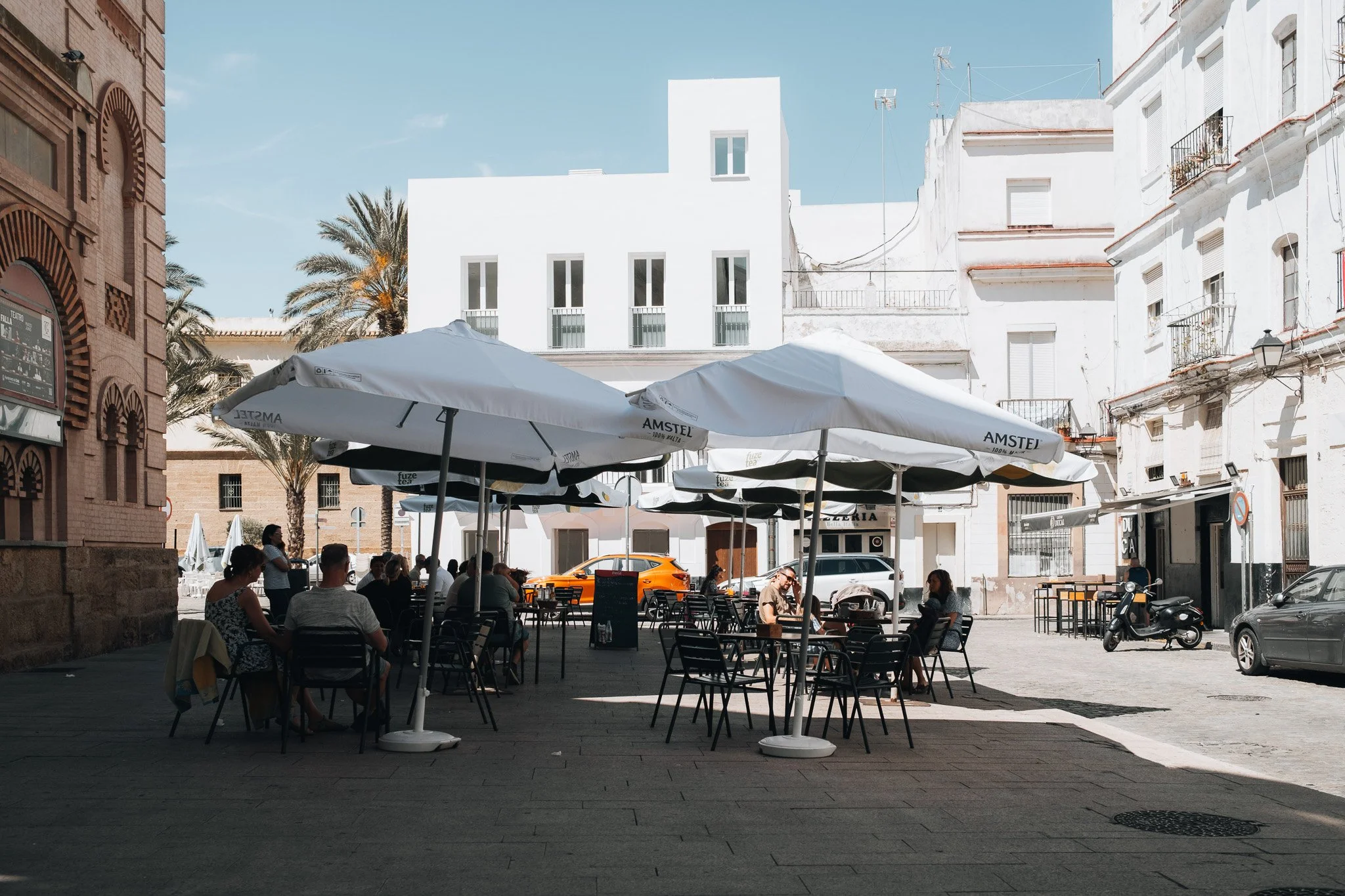
And then there was Cádiz—wind-blown and sea-salted, thought to be Europe’s oldest city. Here, the Atlantic crashed endlessly against the city walls, and I wandered without aim, camera in hand, catching glimpses of everyday beauty: laundry swaying above narrow alleys, old fishermen mending nets, jacaranda petals caught in the creases of timeworn plazas.
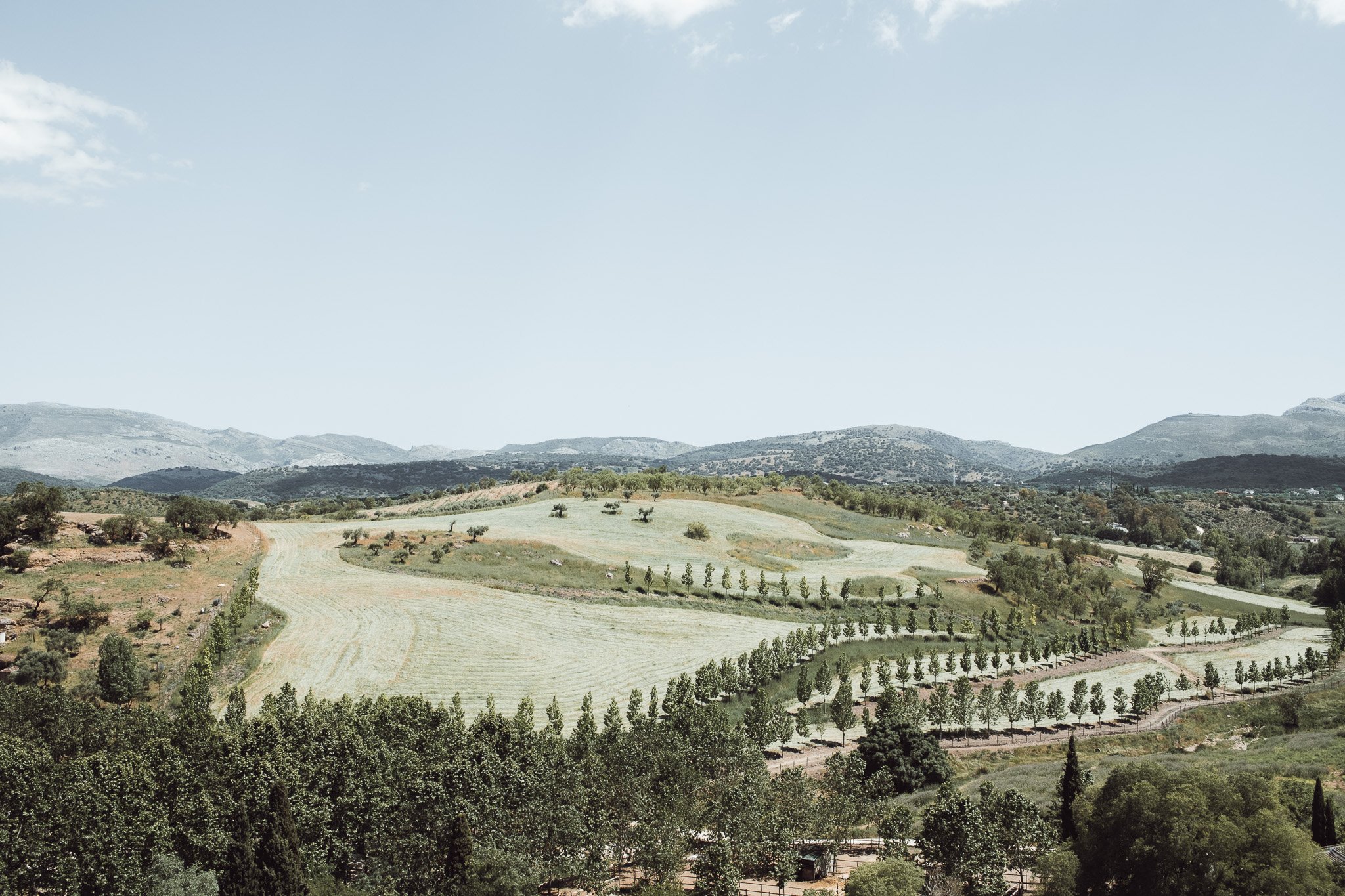
The journey through Andalusia was more than a passage through place—it was a slow immersion into soul. A land of contrasts: arid mountains and lush valleys, fierce pride and quiet devotion, tradition that doesn’t just survive but sings. — Anouk Sassen